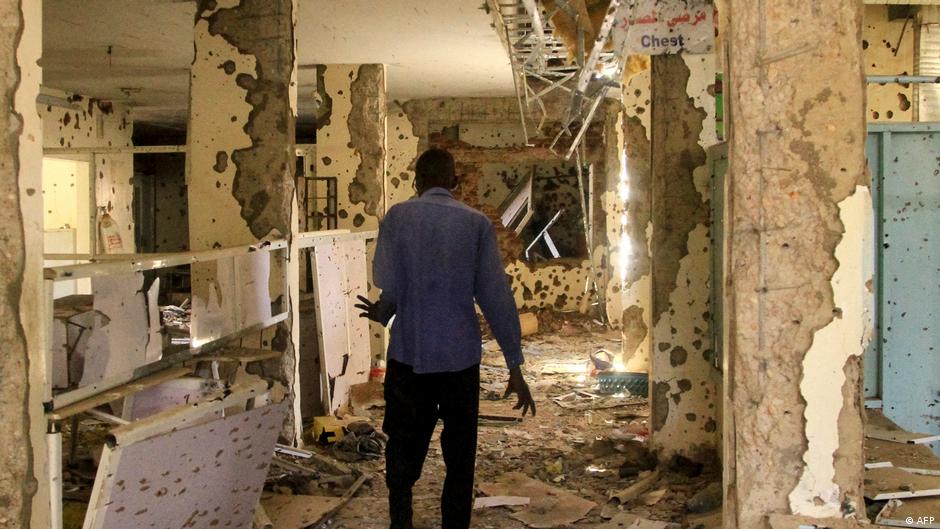
Germany said it will add €212 million in humanitarian aid for Sudan, while the Berlin donor conference secured €1.3 billion in total pledges, above the $1 billion raised at last year’s London conference. The update highlights the worsening third-year anniversary of Sudan’s war, with 19 million people facing acute hunger, 9 million internally displaced, and 4.5 million fleeing abroad. The article is geopolitically important but has limited direct market impact beyond aid funding and regional risk sentiment.
The more important market signal is not the pledge total, but the widening gap between humanitarian needs and state capacity in Europe and the US. That implies a longer-dated pressure valve trade: migration risk premia in Europe stay bid, while any government-linked spending tied to border control, screening, logistics, and emergency medical capacity becomes more politically durable than direct aid alone. In EM terms, the spillover is regional — Chad, South Sudan, Egypt, and Red Sea transit routes face persistent refugee, food, and security pressure that can distort local pricing and sovereign risk far beyond the battlefield.
Second-order effects are likely to show up first in freight, insurance, and commodity flows rather than in headline defense names. Any sustained deterioration in Sudan raises the probability of disruptions around Red Sea and East African logistics, which can support vessel insurance rates, rerouting costs, and selectively benefit firms with exposure to risk management, satellite monitoring, and secure logistics. Conversely, the political emphasis on preventing outflows may increase EU funding for stabilization, border infrastructure, and asylum processing, creating incremental demand for contractors with humanitarian-adjacent capabilities rather than heavy weapons exposure.
The contrarian point is that donor fatigue may be underappreciated as an asset for tactical shorts in aid-linked headlines: pledges can hit the tape without materially changing on-the-ground liquidity. If Washington stays absent and European budgets remain tight, the next catalyst is likely not relief progress but another deterioration in displacement or famine metrics within 1-2 quarters, which would reinforce, not reduce, regional risk premia. That makes this less of a direct trade on Sudan and more of a slow-burn volatility overlay on frontier Africa, select European budget lines, and corridor-sensitive transport names.
AI-powered research, real-time alerts, and portfolio analytics for institutional investors.
Request TrialOverall Sentiment
moderately negative
Sentiment Score
-0.35
