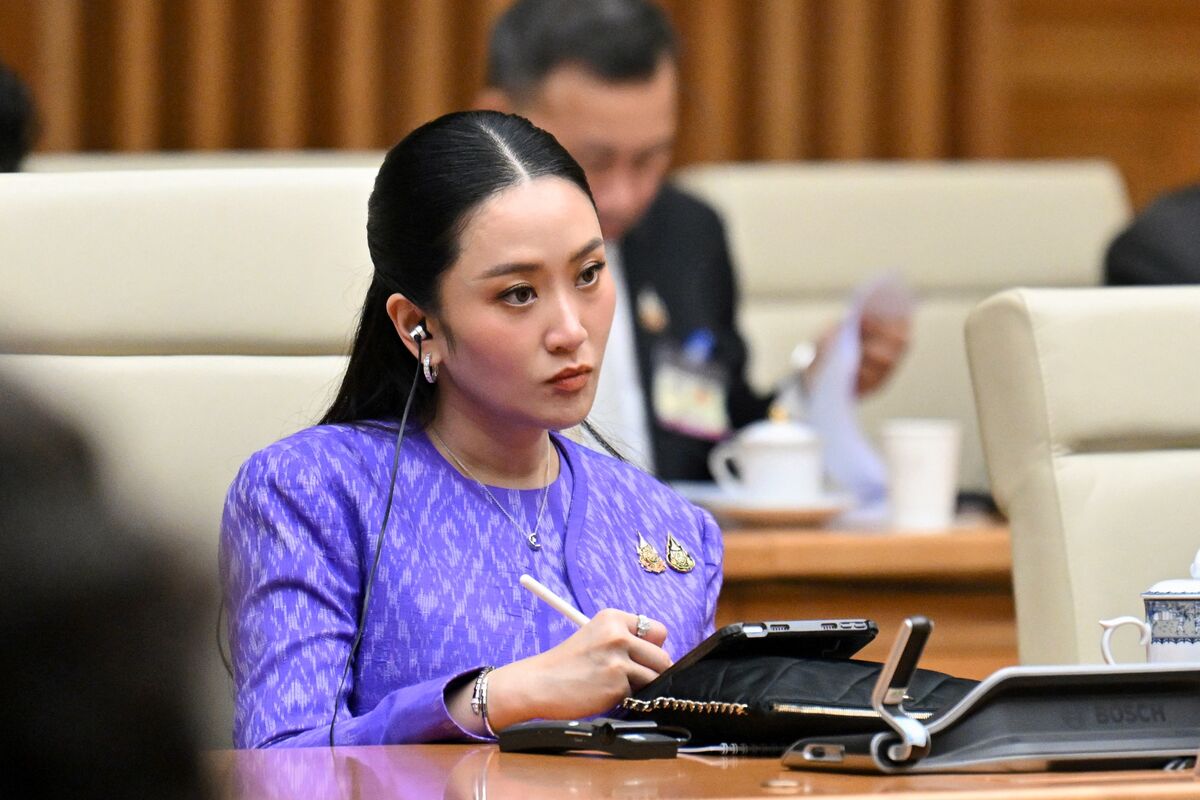
Thailand's second-largest party, Bhumjaithai, has withdrawn from the ruling coalition led by Prime Minister Paetongtarn Shinawatra, creating instability for the government. The exit includes the resignation of eight ministers, including party leader Anutin Charnvirakul, effective Thursday. This move weakens Shinawatra's position amidst calls for her resignation following criticism related to a border dispute with Cambodia.
The withdrawal of the Bhumjaithai Party, the second-largest party holding 69 seats in the 500-member House of Representatives, from Thailand's ruling coalition marks a significant destabilizing event for Prime Minister Paetongtarn Shinawatra's government. This defection, which includes the resignation of eight party ministers effective Thursday, notably party leader Anutin Charnvirakul, substantially weakens the Prime Minister's legislative power and governing capacity. This development occurs amidst pre-existing political pressure on Shinawatra, who faces calls for resignation over her management of a border dispute with Cambodia. The situation introduces considerable political uncertainty, with a moderately negative sentiment and an uncertain tone indicated, suggesting potential difficulties in policy implementation and an increased risk of political gridlock or further realignments. The market impact score of 0.45 signals a moderate but notable concern regarding the stability of the Thai government.
AI-powered research, real-time alerts, and portfolio analytics for institutional investors.
Request DemoOverall Sentiment
moderately negative
Sentiment Score
-0.50
