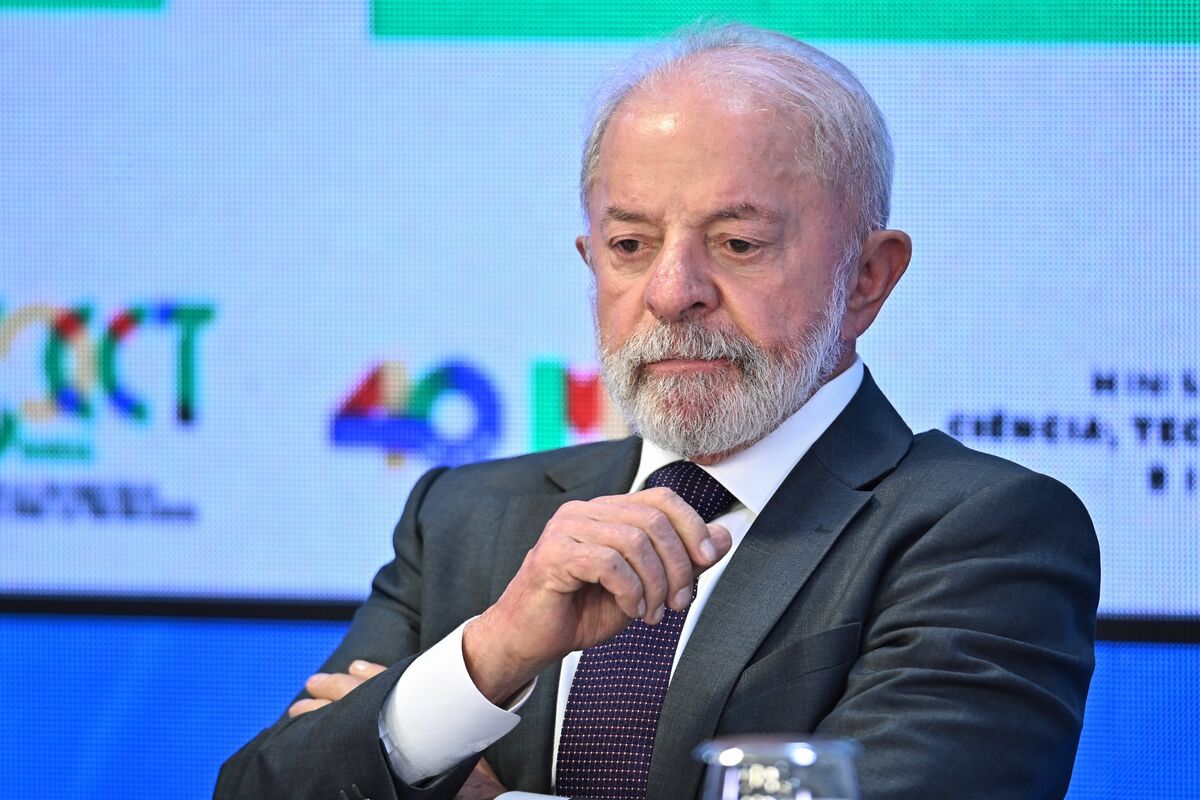
Brazil President Lula said he spoke with Mexican leader Claudia Sheinbaum to propose a possible Gulf of Mexico exploration partnership between state oil firms Petrobras and Pemex, at the request of Petrobras CEO Magda Chambriard. No deal terms, timeline, or production/reserve impacts were disclosed, making this an exploratory, non-binding proposal. The initiative could alter future regional upstream collaboration and strategy among state majors, but has low immediate market implications for Petrobras and Pemex absent concrete agreement.
A Petrobras–Pemex tie-up would mainly reallocate exploration risk, not instantly create barrels. Near-term winners are firms that execute and contract the work (offshore drillers, subsea suppliers) because early-stage farm-outs typically convert into service packages long before any production; expect material service revenues within 6–18 months if pilot blocks are awarded. Second-order beneficiaries include Brazilian E&P contractors that can export personnel/rigs, easing Brazil’s domestic capacity constraints while keeping spare campaign capacity in the Gulf rather than Asia.
Key risks are political and legal rather than geologic; Mexican energy law and local-content rules create a multi-stage approval path that can add 9–24 months and permit scope-creep on cost-sharing. Catalysts that would move markets are a formal MoU, board approvals, or initial PSC/farm-out terms; conversely, a politically framed court challenge or a change in congressional posture in Mexico could reverse sentiment quickly. Tail risks include contingent liabilities landing on Petrobras’s balance sheet if fiscal support is structured as guarantees — that would compress its credit metrics within a single reporting quarter.
The consensus underestimates that early-phase commercial activity benefits service providers faster than the equities of national oil companies — the stock upside from incremental reserves is back-ended by long sanction-to-production timelines. That makes volatility-limited ways to capture early upside (calls on service names; two-legged trades pairing Petrobras equity exposure with a Mexico/political hedge) preferable to a straight multi-year buy-and-hold on headline alone. Monitor Brazil/Mexico regulatory filings and initial work package tender notices as squeeze points where optionality becomes visible and tradable within a 3–12 month window.
AI-powered research, real-time alerts, and portfolio analytics for institutional investors.
Request DemoOverall Sentiment
neutral
Sentiment Score
0.00
