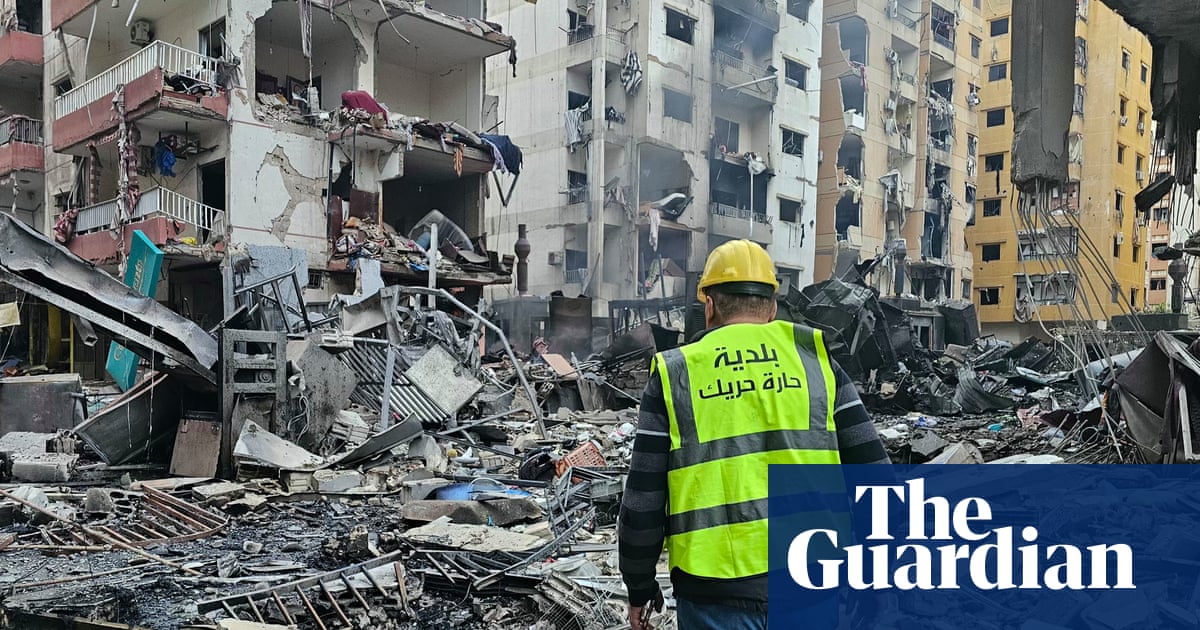
Israel announced a ground campaign in new areas of southern Lebanon, raising fears of a prolonged occupation and forcing hundreds of thousands of Lebanese to flee; Israel has also displaced roughly 1.0 million people domestically and reports indicate over 800 killed since the recent escalation. The defence minister’s comments that displaced residents north of the Litani will not be allowed to return heighten the risk of sustained occupation or forced displacement (a potential war crime), while selective displacement and establishment of perimeters suggest Israel is seeking to reshape facts on the ground to increase negotiating leverage.
The likely extension of ground operations and selective population removal creates durable demand for precision-guided munitions, ISR (intelligence, surveillance, reconnaissance) platforms, and expeditionary logistics — procurement cycles that boost mid-to-large cap defense contractors over 3–12 months while compressing margins for carriers and regional transport hubs. Reconstruction and perimeter-security requirements also shift winner-pick to specialized engineering/defense services and Israeli-origin suppliers with field-proven systems, creating a two-tier market where niche, higher-margin vendors re-rate more than broad aerospace conglomerates.
Financially, expect a risk-premium reallocation: safer assets (USD, gold) and volatility instruments will reprice near-term flows, while sovereign and bank credit in Lebanon and nearby weak-balance-sheet EM states will see spreads widen materially over quarters, pressuring regional banks and EM credit ETFs. Reinsurance pricing will respond, with short-term hit to underwriting results but potential pricing tailwind over 12–24 months as capacity tightens.
Catalysts that change this path are binary and time-staggered: heavy U.S./European diplomatic intervention or a rapid negotiated withdrawal could deflate defense and volatility trades within weeks, while escalation to wider Iran-backed action would extend upside for defense and hard-currency safe havens into quarters. Operational risks — interdiction of supply lines or targeted strikes on port/energy infrastructure — would create transient commodity and shipping dislocations; monitor freight rates and LNG spot curves as early-warning indicators.
Consensus danger: the market may lump all large-cap defense names together; the more actionable split is between precision/missile suppliers and broad commercial aviation exposure. Positioning should be tactical (30–90 days) for volatility and 3–12 months for defense/reinsurance exposures, with strict stop-losses tied to diplomatic ceasefire signals.
AI-powered research, real-time alerts, and portfolio analytics for institutional investors.
Request DemoOverall Sentiment
strongly negative
Sentiment Score
-0.75
