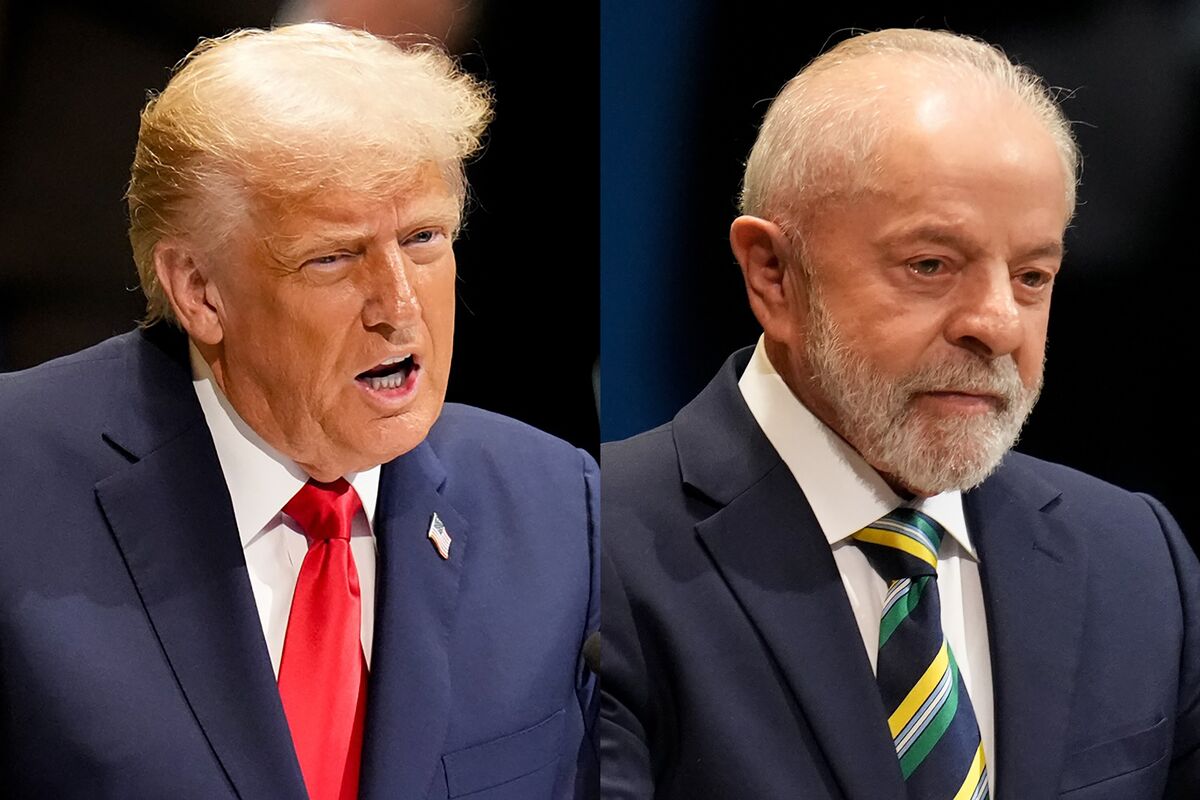
Brazil is actively working to arrange an in-person meeting between President Luiz Inacio Lula da Silva and former US President Donald Trump, with Brazilian officials identifying the upcoming Association of Southeast Asian Nations (ASEAN) summit as an ideal venue for the talks in a third country. This diplomatic effort by Brazil suggests a strategic move to engage with potential future US leadership and foster high-level dialogue in an international setting.
Brazil is proactively pursuing a high-level diplomatic engagement between President Luiz Inacio Lula da Silva and former US President Donald Trump, signaling a strategic foreign policy move. According to Brazilian officials, the government is working to arrange a meeting at the upcoming Association of Southeast Asian Nations (ASEAN) summit, a neutral, third-country venue. This effort indicates Brazil's intent to build relationships with key US political figures ahead of potential leadership changes. The nature of the report, based on anonymous sources and flagged with a neutral sentiment and zero market impact score, frames this as a developing geopolitical event rather than an immediate market catalyst. The focus is on long-term diplomatic positioning and exploring future bilateral relations, reflecting a pragmatic approach by the Lula administration to international affairs.
AI-powered research, real-time alerts, and portfolio analytics for institutional investors.
Request DemoOverall Sentiment
neutral
Sentiment Score
0.00
