
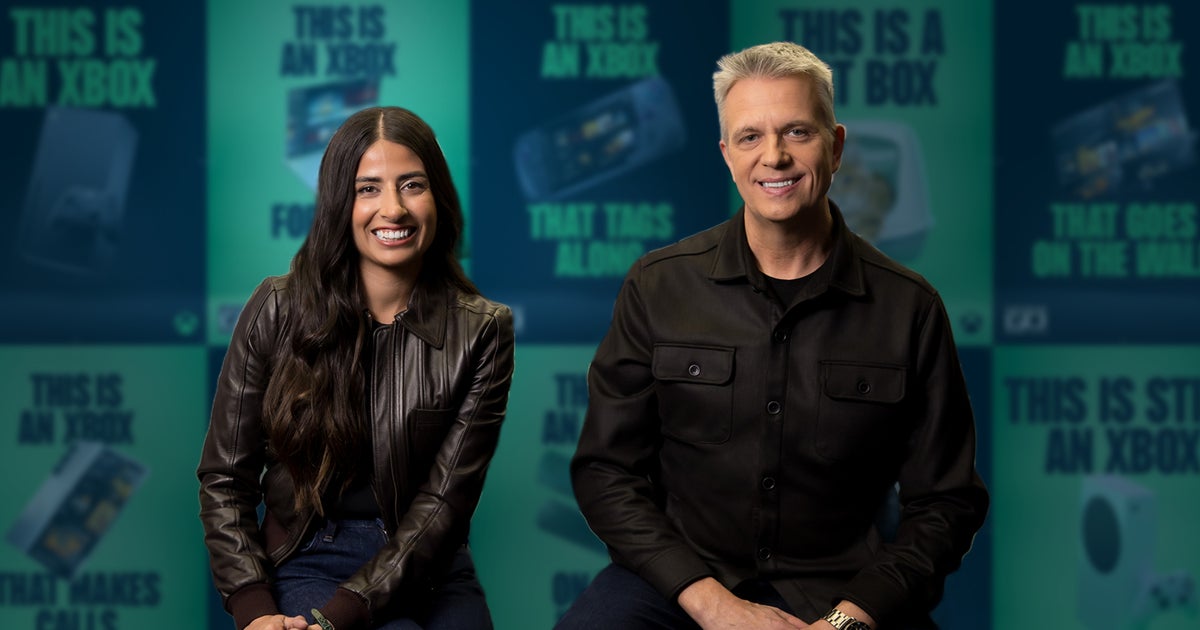
Xbox acknowledged that using competitor logos in its teaser and showcase materials was "a miss" and said it will adjust future presentations. Management reaffirmed its commitment to transparency about platform availability for first-party games, but the issue reflects a fan backlash rather than a material financial event. Impact on the stock is likely limited, though it adds a small governance and brand-perception headwind.
This is a small but telling governance signal for MSFT: when a platform owner starts foregrounding rival ecosystems in its own flagship marketing, it usually reflects internal uncertainty about distribution economics rather than confidence. The near-term damage is less about consumer outrage and more about dilution of the Xbox franchise’s role as a demand aggregator; if management keeps emphasizing multi-platform availability, it may incrementally weaken the incentive to buy hardware or stay locked into the Xbox ecosystem over the next 2-4 quarters.
The second-order effect is that Microsoft is effectively leaning into software monetization over hardware attach, which is rational if Game Pass economics and first-party content yields are improving. That creates a bifurcation: revenue can become less cyclical, but the strategic value of the installed base may erode, making Xbox more like a content brand than a platform. In that scenario, competitors with tighter hardware-software integration are the relative winners, because they capture the emotional and behavioral premium that comes from exclusivity and identity.
The risk to the stock is not a large drawdown from this issue alone, but a slow multiple compression if investors conclude Xbox is transitioning from a growth narrative to a managed harvest narrative. The best counter-catalyst is evidence that lower Game Pass pricing actually improves net lifetime value, not just gross adds; if retention and attach keep rising over the next 1-2 earnings prints, the market will ignore the marketing noise. Absent that proof, any additional missteps around brand positioning become a convenient shorthand for broader execution drift.
Contrarian view: the market may be overreacting to optics while missing that transparency about platform availability can improve conversion efficiency and reduce cancellation rates. If Microsoft can turn Xbox into a high-margin distribution layer across devices, then softer hardware loyalty is not necessarily bearish. The question is whether that model supports premium valuation; right now the setup argues for lower conviction rather than outright bearishness.
AI-powered research, real-time alerts, and portfolio analytics for institutional investors.
Request TrialOverall Sentiment
mildly negative
Sentiment Score
-0.10
Ticker Sentiment
