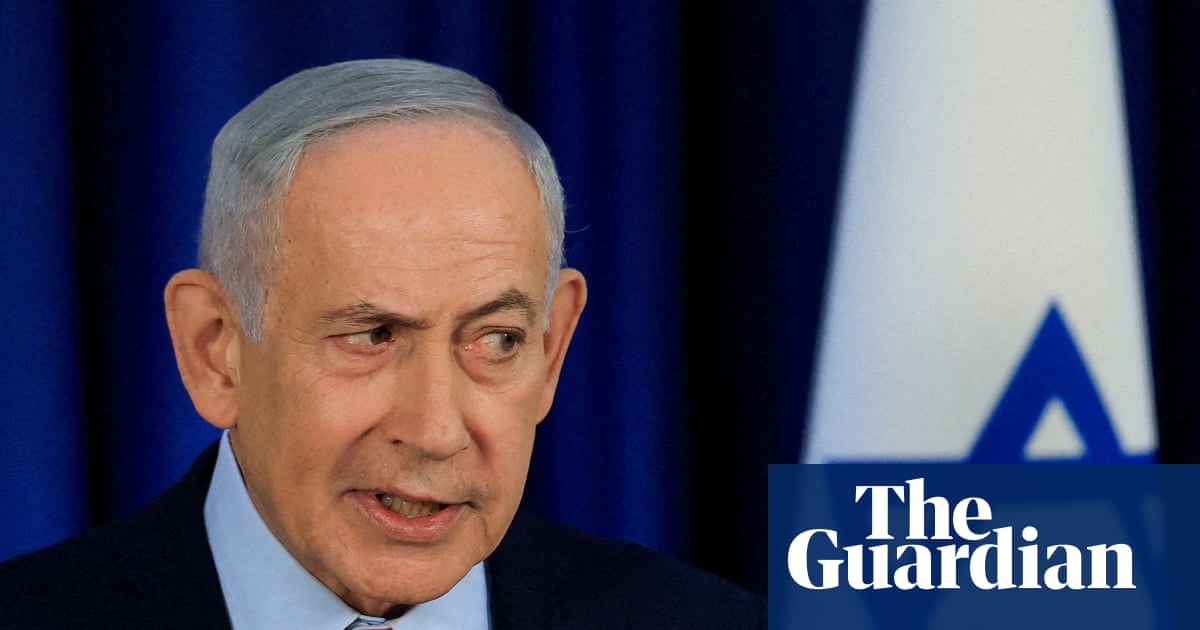
Netanyahu disclosed a secret March 26 trip to the UAE during the Iran war, underscoring a deeper Israel-UAE security alignment that now includes air-defense coordination and reported shared military operations. The article also says the UAE may have conducted covert strikes on Iran, while both countries face heightened scrutiny over alleged war-crimes involvement. The geopolitical implications are significant and could affect regional security and energy risk premia.
The key market implication is not the diplomatic headline itself, but the emergence of a de facto anti-Iran security stack that links air defense, intelligence sharing, and regional energy assets. That architecture should compress perceived tail risk around Gulf infrastructure over the medium term, which is structurally supportive for regional risk assets, Israeli defense tech, and selected U.S. defense primes with C4ISR/missile-defense exposure. The second-order winner is likely the UAE’s role as a logistics and capital hub: if it is seen as the safest Gulf platform for Western capital and military interoperability, that strengthens its relative attractiveness versus Saudi Arabia and other regional peers.
The more interesting market effect is on energy volatility rather than outright oil direction. If Gulf states believe they can absorb Iranian retaliation more effectively, the market may fade geopolitical risk premium faster after incidents, but that also raises the odds of sharper, shorter-lived spikes on any successful attack because traders will have underpriced the next escalation once “cooperative deterrence” is revealed. The UAE’s more independent posture versus Saudi-led structures also suggests a longer-run fragmentation of OPEC cohesion, which can weaken coordinated supply management and keep the back end of the curve more vulnerable to idiosyncratic policy shocks.
A major contrarian risk is that the strategic alignment becomes a political liability in Washington and Europe, not just a military asset. The same network that improves deterrence also broadens the target set for legal, sanctions, or reputational blowback if conflict widens or civilian harm intensifies; that is a real medium-term overhang for sovereign spreads, privatization narratives, and cross-border capital inflows. The market may be underestimating how quickly a change in U.S. administration or congressional mood could force the UAE and Israel to de-emphasize visible cooperation, reversing some of the current premium within 6-12 months.
AI-powered research, real-time alerts, and portfolio analytics for institutional investors.
Request DemoOverall Sentiment
neutral
Sentiment Score
-0.05
