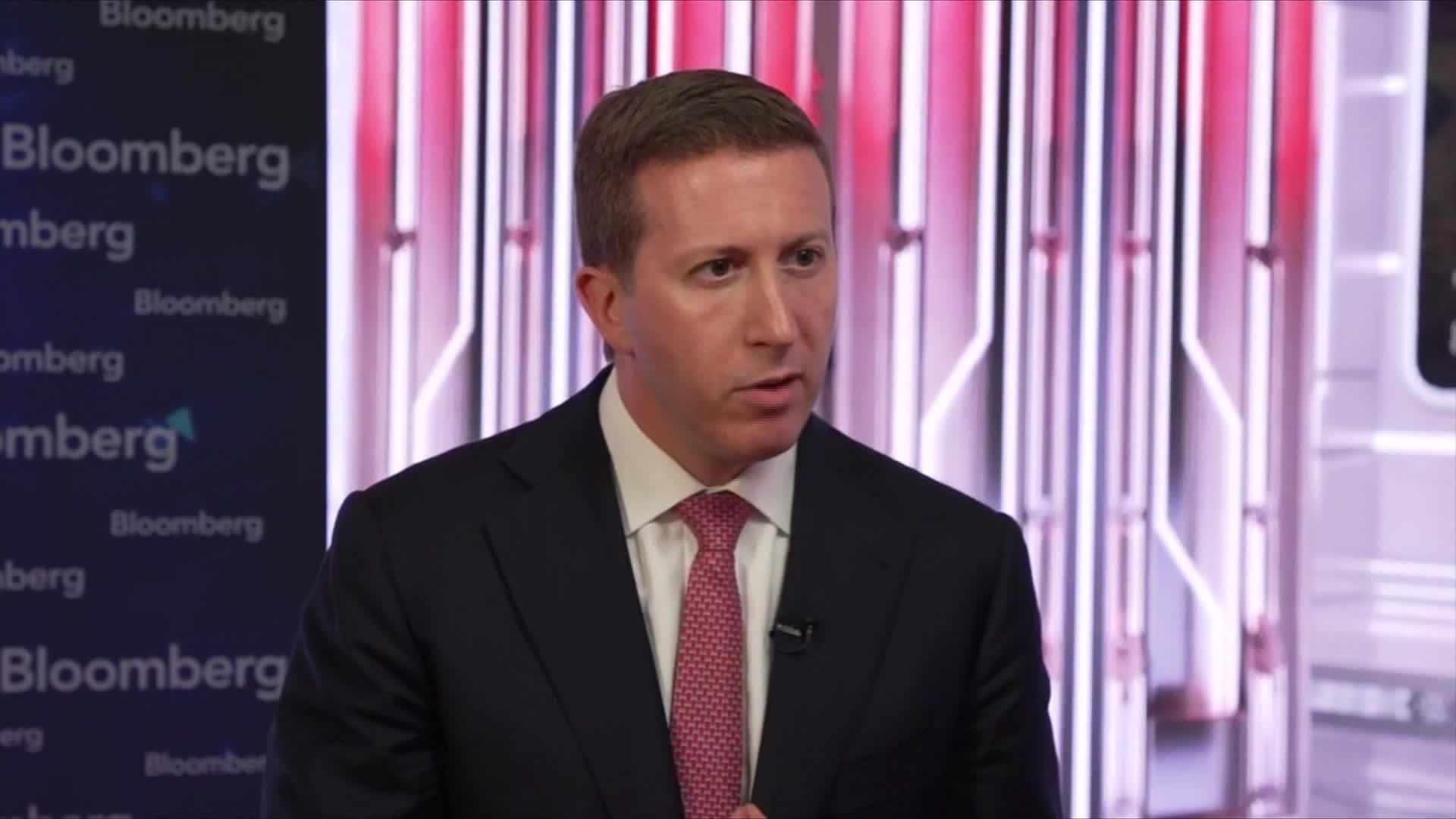
Warburg Pincus CEO Jeffrey Perlman stated that Southeast Asian nations will likely face comparable U.S. tariffs, echoing recent threats from President Trump. This assessment, made during a broader discussion on the macro environment and investment strategy, signals potential trade policy shifts that could impact the region's economic outlook and investment flows.
Jeffrey Perlman, CEO of the major private equity firm Warburg Pincus, has signaled a high probability that Southeast Asian nations will be subjected to U.S. tariffs, directly referencing recent threats from the U.S. President. This assessment, delivered from Hanoi, elevates the risk of expanding trade conflicts beyond China and positions it as a central factor in the region's macroeconomic outlook. The statement is significant as it indicates that major institutional investors are now actively pricing in this trade policy uncertainty, potentially altering capital flows into emerging markets. For a region widely viewed as a beneficiary of supply chain diversification from China, the prospect of facing comparable U.S. tariffs introduces a material headwind that could challenge prevailing investment theses.
AI-powered research, real-time alerts, and portfolio analytics for institutional investors.
Request DemoOverall Sentiment
moderately negative
Sentiment Score
-0.50
