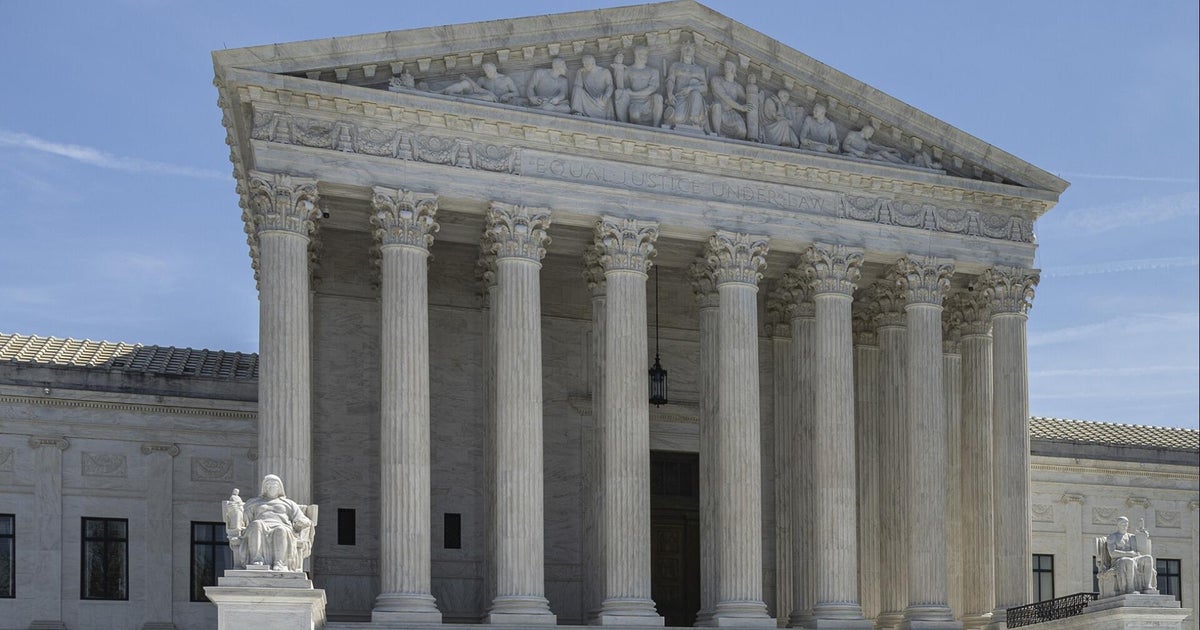
Tennessee and Alabama are moving to redraw U.S. House maps after the Supreme Court's Louisiana v. Callais ruling narrowed Voting Rights Act protections for majority-minority districts. Tennessee's special session begins Tuesday and Alabama's starts Monday, with both states weighing map changes that could shift one or more seats toward Republicans. The article signals broader mid-decade redistricting risk across several states, but the direct market impact is limited.
This is less a one-off redistricting headline than a catalyst for a multi-quarter renegotiation of House math in the South. The immediate market implication is not state-level beta but the probability distribution on the 2026 congressional control map: a handful of seats shifting from competitive or minority-protected to safer Republican territory would mechanically reduce downside risk for incumbents in GOP-leaning regional equities that are sensitive to federal policy continuity, while increasing headline volatility around voting-rights litigation and election-law risk premia.
The second-order effect is that the legal process itself becomes the tradable event. Courts can slow, narrow, or partially unwind these maps, so the key horizon is not days but 3-18 months: special sessions create optionality, but injunctions, candidate filing deadlines, and special-election logistics can prevent same-cycle implementation. That means the highest-probability outcome is not a clean reapportionment, but a staggered sequence of court wins/losses that keeps the issue alive into 2026 and raises the value of election-law attorneys, consulting firms, and media platforms with higher political ad sensitivity.
The contrarian view is that the market may overestimate how much seat arithmetic can change in time for 2024-style election cycles. Mid-decade redistricting often runs into procedural bottlenecks, and any aggressive redraw that appears too partisan could trigger counter-litigation, creating a temporary status quo with elevated legal spend but limited near-term map changes. In that scenario, the tradable edge is in volatility, not direction: political uncertainty goes up even if realized seat changes do not.
For broad-market exposure, the more subtle winner is not the GOP per se but firms that monetize political volatility across cycles: consultants, campaign media, and legal services should see a longer tail of demand if this spreads to more states. The loser set is any incumbent-heavy issuer with material dependence on stable committee assignments or federal grant flow, because even small seat shifts can alter appropriation leverage and oversight intensity over the next Congress.
AI-powered research, real-time alerts, and portfolio analytics for institutional investors.
Request DemoOverall Sentiment
neutral
Sentiment Score
-0.05
