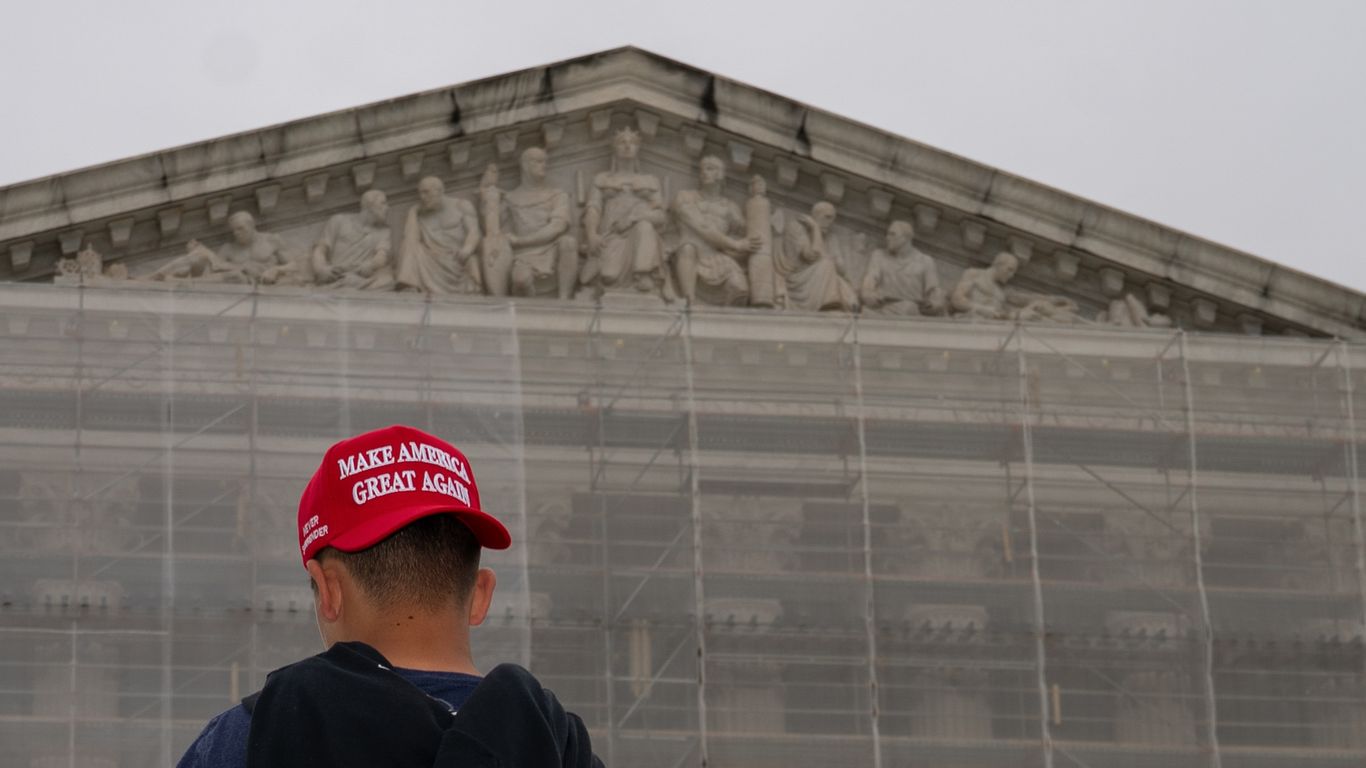
President Trump is attempting to remove Federal Reserve Governor Lisa Cook, citing a criminal referral alleging mortgage fraud as 'cause,' a move Cook disputes, asserting no legal basis. This action directly challenges the Supreme Court's recent ruling that, while granting presidents broad authority to fire independent agency heads, specifically exempted the Federal Reserve due to its unique structure. The situation represents a critical test of the Federal Reserve's independence and the limits of presidential power, with potential implications for future monetary policy and the composition of the central bank's board.
The executive branch's move to oust Federal Reserve Governor Lisa Cook represents a significant escalation in challenging the central bank's operational independence. Citing a criminal referral for mortgage fraud as "cause" under the Federal Reserve Act, the administration is directly testing the limits of a recent Supreme Court ruling that, while expanding presidential authority over some independent agencies, specifically distinguished the Federal Reserve as a "uniquely structured, quasi-private entity." This legal interpretation is not without contention, as highlighted by Justice Elena Kagan's dissenting opinion which questioned the basis for the Fed's exceptionalism. The action, combined with prior groundwork laid by presidential allies to potentially remove Chair Jerome Powell, suggests a strategic effort to install loyalists and directly influence monetary policy. This creates profound uncertainty around the governance and future predictability of the world's most important central bank, an event assigned a high market impact score of 0.8 and a strongly negative sentiment reading.
AI-powered research, real-time alerts, and portfolio analytics for institutional investors.
Overall Sentiment
strongly negative
Sentiment Score
-0.70
