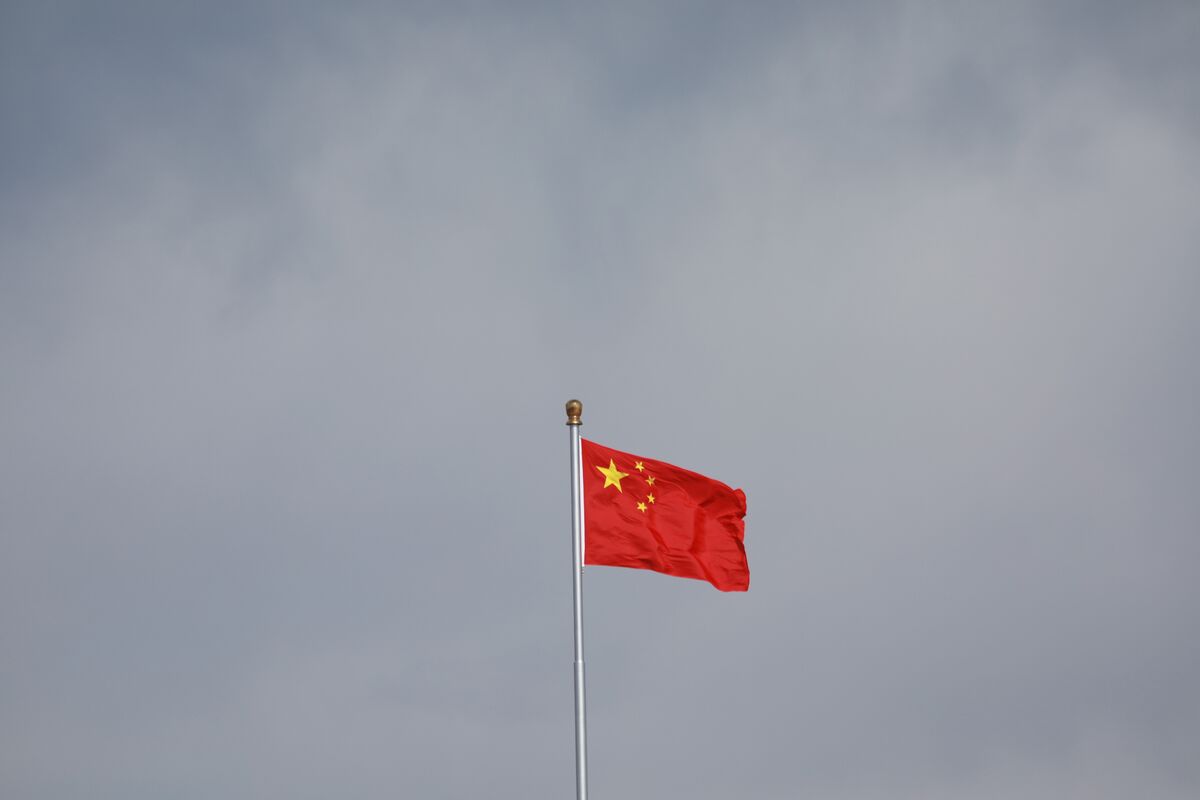
China’s Commerce Ministry strongly opposed the US decision to label additional Chinese firms as “military companies,” warning that the move undermines trade ties, supply-chain stability, and the broader economic order. The statement suggests elevated US-China policy friction that could pressure Chinese firms and keep cross-border trade and supply-chain sentiment cautious.
This is less about the named firms than about a broader tightening of the compliance perimeter around China exposure. Once the US starts expanding military-affiliation screens, the real damage shows up first in passive and benchmarked capital: index exclusion, ETF tracking error, and higher cost of capital for any supplier with dual-use adjacency, even if revenues are civilian. That second-order effect tends to bleed into non-targeted peers via customer de-risking, because multinationals will prefer to simplify vendor lists rather than litigate edge cases.
The near-term losers are cross-border suppliers tied to electronics, components, logistics, and industrial technology where a small share of China-linked revenue can still trigger procurement pauses. The bigger medium-term winner is not a specific stock but the fragmentation trade: non-China Asian manufacturing hubs, US/Mexico industrial capacity, and compliance software/advisory ecosystems gain as firms pay up to re-route, document, and localize supply chains. That creates a slow-burn margin headwind for globally integrated manufacturers, but a relative tailwind for domestic substitutes with cleaner political profiles.
The catalyst path matters: over days, this is mostly sentiment and headline risk; over months, the issue is whether the designation list keeps widening into a de facto sectoral blacklist. If Washington’s enforcement stays narrow, markets will fade this quickly; if the list expands to include input suppliers and downstream assemblers, the repricing could persist for 1-2 quarters as CFOs rebuild sourcing maps. The key risk to the bearish China supply-chain view is policy bargaining—any trade détente or carve-outs for non-sensitive businesses would relieve the pressure fast.
Consensus may be too focused on direct sanction impact and underpricing operational spillovers. The most asymmetric move is in companies that are not explicitly named but depend on Chinese contract manufacturing, precision components, or export licenses; those names can suffer revenue disruption before the market connects the dots. In that sense, the signal is broader risk-off for China beta and a relative-positive for domestic industrials and alternative supply-chain beneficiaries, not just a narrow sanctions story.
AI-powered research, real-time alerts, and portfolio analytics for institutional investors.
Request DemoOverall Sentiment
moderately negative
Sentiment Score
-0.30
