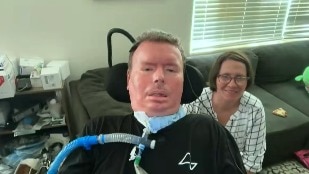
A Neuralink brain implant enabled an ALS patient to control a computer, type, edit videos and speak again using an AI-cloned version of his own voice. The case highlights a major real-world milestone for brain-computer interfaces and the combination of neural decoding with AI voice cloning. While highly significant for neuroscience and assistive technology, the immediate market impact is limited because the technology is still in clinical trials and not publicly available.
This is a proof point that the next monetizable layer in assistive tech is not the implant alone, but the software stack around it. The economic value accrues to the vendors that can turn raw neural signals into reliable, low-latency output, which should benefit AI inference, speech synthesis, and medical-device integrators more than the hardware maker in the near term. The second-order effect is that success here expands the addressable market beyond paralysis into adjacent neuro-rehab use cases, but adoption will still be gated by surgical throughput, reimbursement, and regulatory scrutiny. The near-term winner set is likely to be private, but public comps can still express the theme. Device OEMs with robotics, catheterization, or minimally invasive surgical workflows could see a sentiment halo if clinical utility continues to improve, while legacy assistive-communication vendors face a long-duration obsolescence risk. The more interesting trade is not “BCI wins” but “BCI-enabled workflow wins”: hospitals, rehab networks, and insurers may eventually pay for systems that reduce caregiver burden and improve patient throughput, creating a reimbursement pathway that is much broader than a niche neurotech product. The contrarian risk is that investors overestimate the speed of commercialization. This is a years-not-months story: durability, failure rates, explant risk, and reimbursement are the real bottlenecks, and any adverse event could reset adoption expectations sharply. The market may also underprice the regulatory burden of combining an implant with consumer-grade AI voice cloning, which increases legal and privacy complexity and could slow rollouts materially. For trading, the cleanest expression is a long-duration basket rather than a single-name bet: own select medical robotics / minimally invasive device leaders on pullbacks and pair against legacy assistive-tech names that are structurally exposed to AI substitution. For higher convexity, consider buying long-dated call spreads in AI infrastructure names that benefit from inference demand and voice cloning workloads, financed by shorting an overvalued medtech or consumer hardware proxy with limited AI exposure. Near term, the risk/reward favors waiting for a dip rather than chasing the headline, because the catalyst path to revenue is long while the optimism is immediate.
AI-powered research, real-time alerts, and portfolio analytics for institutional investors.
Request DemoOverall Sentiment
strongly positive
Sentiment Score
0.82
