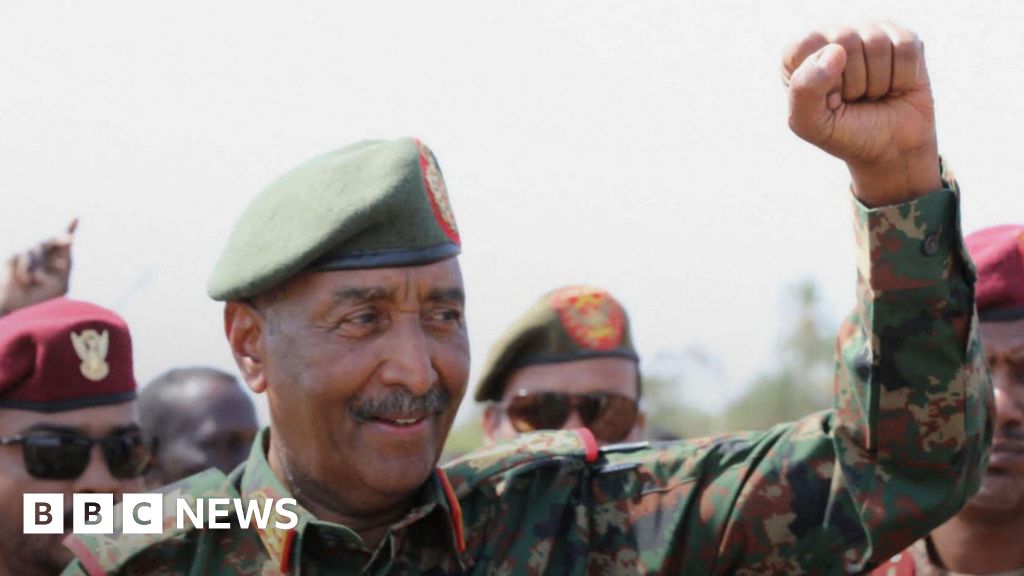
Sudan's military-led government has returned to Khartoum after nearly three years in Port Sudan, with Prime Minister Kamil Idris pledging to restore electricity, water, healthcare and education after the army recaptured the capital last March. The 2023 conflict between the army and the Rapid Support Forces has killed at least 150,000 people, displaced roughly 12 million nationwide and forced about five million to flee Khartoum, while allegations of foreign support for the RSF (notably scrutiny of the UAE) keep geopolitical risks and potential sanctions on the table—factors that sustain elevated security risk, major reconstruction and humanitarian financing needs, and significant downside for investors considering exposure to Sudan or neighboring markets.
Market structure: Near-term winners are global safe-haven assets and vendors of reconstruction (construction materials, logistics, emergency power/telecom suppliers) while local Sudanese banks, sovereign debt and consumer-facing services remain direct losers. Expect immediate risk-off: EM equities and FX to underperform by ~3-7%/2-5% respectively in days, while gold and long-duration USTs may rally 1-4% and 10–30bp respectively; Red Sea shipping disruption would mechanically pressurize Brent/WTI by >10% in weeks.
Risk assessment: Tail risks include rapid regional spillover or foreign intervention that could drive oil >20% and EM spreads wider by 200–500bp; conversely a credible ceasefire within 30–90 days would reverse risk premia. Short-term (days–weeks) dominated by flows and headline volatility; medium-term (3–12 months) by reconstruction spending and donor capital; long-term (>1 year) by sovereign debt restructurings and regime stability. Hidden dependency: Gulf financing (UAE/Saudi) and arms flows are the primary swing factors that can rapidly switch market sentiment.
Trade implications: Tactical trades favor long safe-havens (GLD, TLT) and EM downside protection (EEM puts or reduced EMB duration), with selective 1–3% opportunistic longs in US defense names (LMT, NOC) for a 6–12 month horizon. Pair trades: long GLD/short EEM or long TLT/short EMB on any >3% EM flash selloff. Use 1–3 month option structures to time headlines; tighten or take profits if VIX drops below 20 or a verified ceasefire is announced.
Contrarian angles: Consensus may overprice permanent EM capital flight; post-conflict reconstruction historically produces multi-year upside to materials, engineering firms and utilities (Iraq/Afghanistan parallels). If EM equities sell off >15% mechanically, selectively buy African infrastructure/utility exposure after liquidity returns. Unintended consequence: aggressive sanctions or Gulf realignment could entrench alternative financing (China/Russia), altering long-run defense and commodity supply chains.
AI-powered research, real-time alerts, and portfolio analytics for institutional investors.
Request DemoOverall Sentiment
strongly negative
Sentiment Score
-0.60
