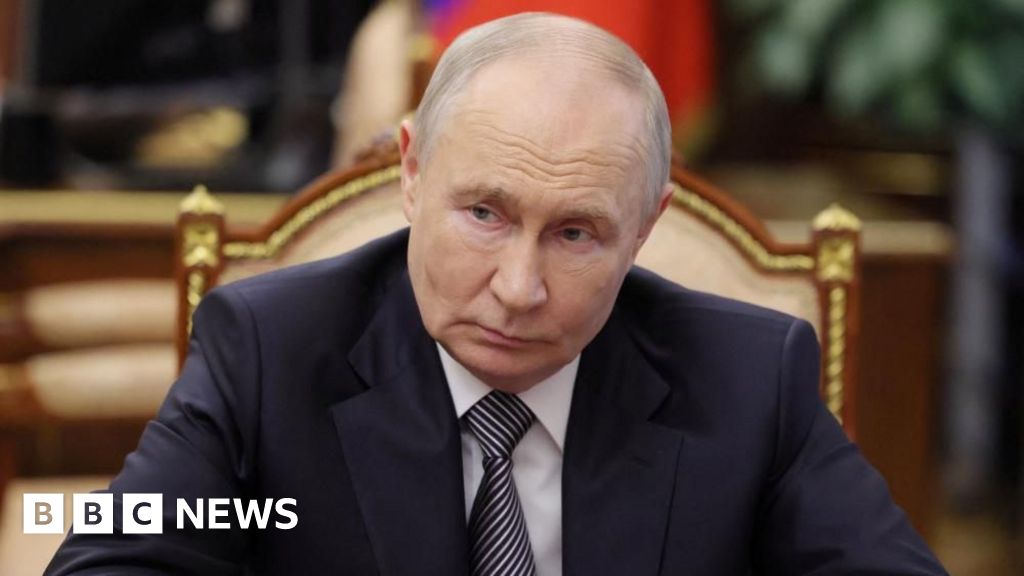
The EU is weighing whether to appoint an envoy to explore talks with Russia over Ukraine as US mediation has stalled and Russian strikes intensify. Ukraine is pressing for a faster, more active European role, while member states remain split on whether to deepen pressure or open contacts. The discussions could shape the EU’s future posture on sanctions, security, and ceasefire negotiations, with leader-level decisions likely needed before any formal engagement.
The market implication is not a near-term ceasefire premium; it is a higher-probability shift in Europe’s policy regime from passive sanctioning to active diplomatic leverage. That matters because any credible EU backchannel would likely be paired with tighter enforcement on energy, dual-use tech, and shipping compliance, which is more relevant for Russian revenue leakage than for battlefield outcomes. In practice, the first beneficiaries are European defense and cyber/security suppliers, while the first losers are firms exposed to a softer enforcement baseline on Russia-related trade flows.
The second-order effect is that Europe’s internal split becomes a tradable signal: if the more hawkish bloc wins, the market should price a longer sanctions runway and a structurally higher European defense capex cycle over the next 12-24 months. If the dialogue effort gains traction, the initial move may be to compress the geopolitical risk premium in European gas and power, but any relief would likely be temporary unless it is accompanied by verifiable de-escalation, which currently has low odds. The more probable path is a series of headlines that raise diplomacy hopes without changing the physical risk to Ukrainian infrastructure.
Consensus is likely underpricing the asymmetry between headline diplomacy and actual settlement probability. Russia has an incentive to use talks to split Europe, slow sanctions intensity, and buy time; that makes any envoy process a potential tool for marginally improving Moscow’s terms rather than ending the war. The real catalyst is not the appointment itself but whether Europe couples it to new hard constraints on Moscow’s financing and logistics within the next 1-2 months.
AI-powered research, real-time alerts, and portfolio analytics for institutional investors.
Overall Sentiment
moderately negative
Sentiment Score
-0.35
Ticker Sentiment
