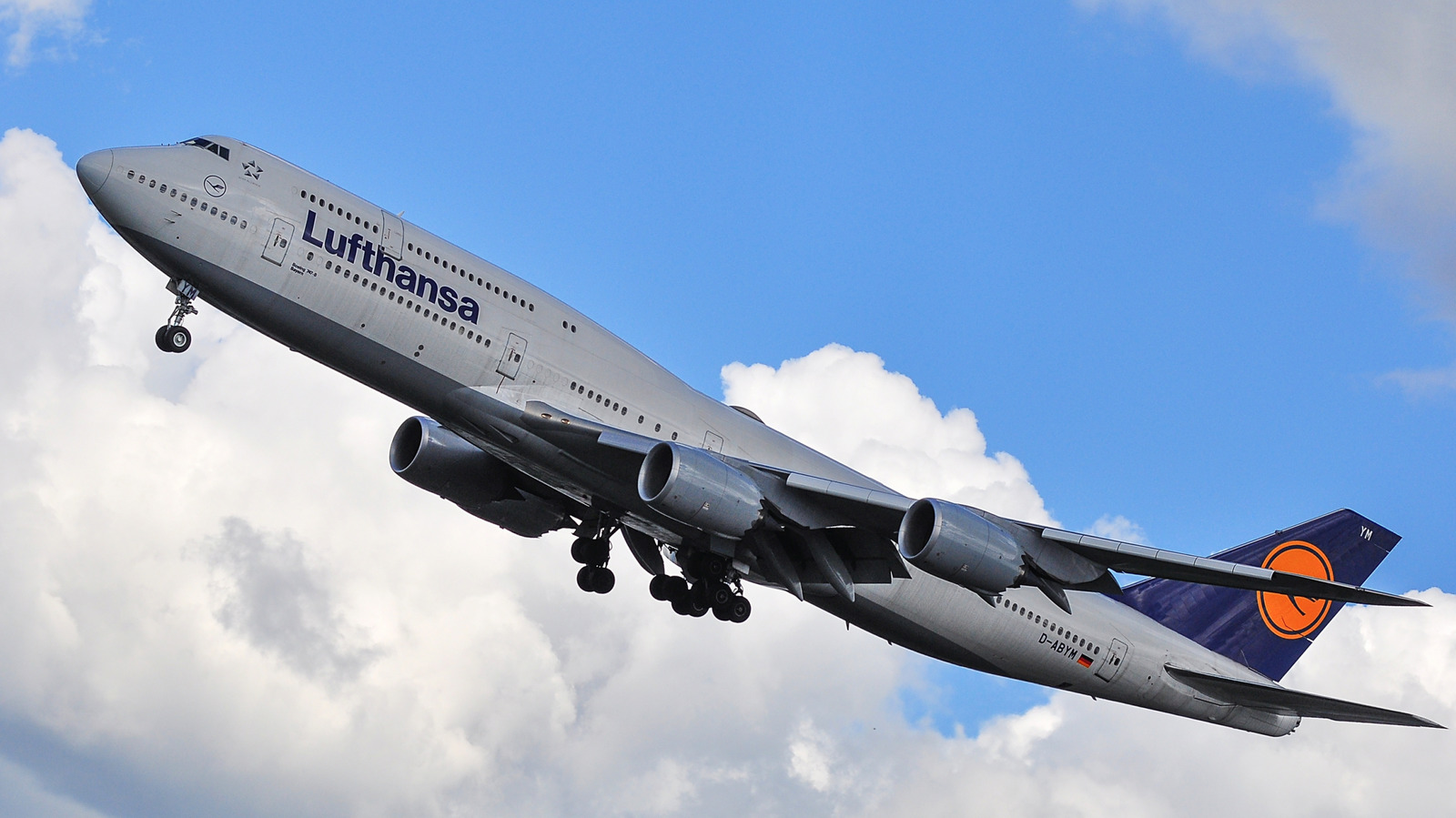
The US Air Force is spending $400 million on two used Boeing 747-8 passenger jets from Lufthansa to support training, sustainment, and spare-parts planning for the VC-25B presidential aircraft program. The new VC-25B fleet, based on the 747-8, is expected to enter service by mid-2028, while the current VC-25A is based on the older 747-200 platform. The purchase reflects a logistics and sustainment need rather than a demand or earnings catalyst, with limited direct market impact.
The immediate beneficiary is less the airframe OEM story than the sustainment ecosystem around a platform that is effectively becoming orphaned. Once a legacy widebody leaves commercial production, the pricing power shifts to parts, MRO, training, and certification channels; the Air Force is effectively pre-funding a small but durable aftermarket for a shrinking installed base. That supports Boeing’s defense cash flow quality more than its top-line growth, and it also creates a scarcity premium for any specialized suppliers tied to 747-8 systems, tooling, and simulation support.
The second-order signal is budgetary: this is a long-dated, multi-year sustainment program being pulled forward now because delays compound operational risk. That means the near-term catalyst is not delivery headlines but incremental contract awards, training spend, and higher program visibility into 2026-2028. For Boeing, the market may underappreciate that a stretched presidential aircraft timeline can become a reputational overhang if it slips again, but the flip side is that every year of delay increases the embedded value of the support and retrofit work already underway.
Contrarianly, the scarcity of 747 passenger frames may be more bullish for residual values and less bullish for the OEM than investors assume. The Air Force buying used jets from a shrinking pool creates a floor under select late-life widebodies and could marginally support leasing and teardown economics, but the absolute dollar pool is small. The real equity implication is that defense-oriented execution on fixed-price, high-complexity conversion work matters more than commercial aircraft volume.
Near term, the setup is stable rather than explosive: this is a slow-burn budget and execution story, not a days-to-weeks trading catalyst. The main downside risk is another schedule miss or procurement escalation that turns this into a political headline, which could pressure Boeing sentiment despite limited revenue impact. The upside risk is that evidence of disciplined sustainment planning de-risks the VC-25B transition and modestly improves confidence in Boeing’s defense program management.
AI-powered research, real-time alerts, and portfolio analytics for institutional investors.
Request DemoOverall Sentiment
neutral
Sentiment Score
0.08
Ticker Sentiment
