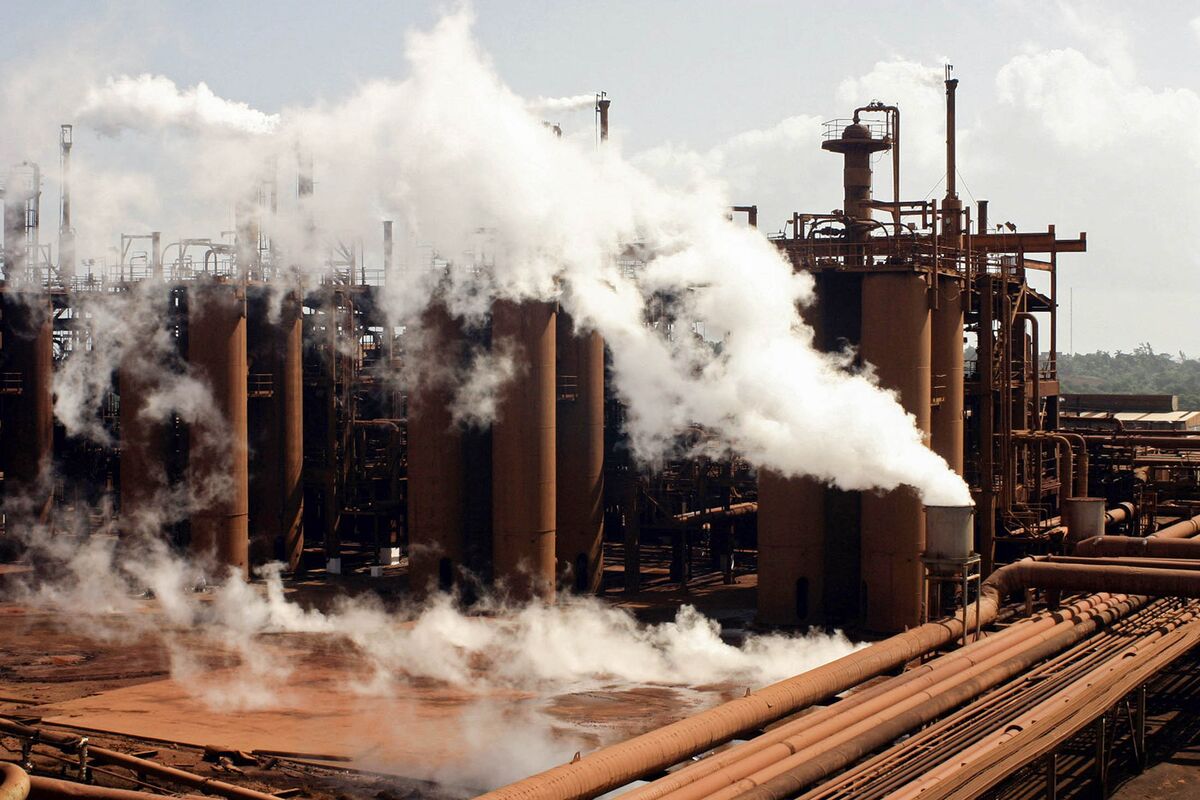
US sanctions expansion on Cuba has pushed Sherritt International to the brink, forcing the nearly 99-year-old mining company to consider dissolving its Cuba mining venture. The company’s nickel-and-cobalt operations and broader Cuba-linked business model have been destabilized by the Trump administration’s hard line, creating material operational and strategic risk. The story also highlights further escalation in US-Cuba tensions after the US charged former Cuban President Raúl Castro with murder.
The market is repricing Sherritt less as an operating mining company and more as a geopolitical option with a shrinking exercise price. Once sanctions become the dominant variable, asset value migrates from the mine plan to the legal structure around JV cash flows, debt service, and access to counterparties; that typically compresses equity to a restructuring claim well before the balance sheet formally breaks. The second-order loser is anyone financing or insuring sanctioned-exposed commodity assets globally, because the discount rate on “policy-risk jurisdictions” just widened another notch.
This is a near-term catalyst with a multi-month overhang, not a one-day headline trade. The acute risk is liquidity: if Cuba-linked cash generation becomes impaired, the company may be forced into covenant negotiations, asset sales at distressed multiples, or a creditor-led recapitalization that wipes or heavily dilutes equity. In these situations, the first move is usually the easiest to trade; the harder question is whether a diplomatic easing or carve-out arrives before the capital structure fractures.
The contrarian angle is that the market may still be underestimating optionality in a formal restructuring scenario. If the core assets remain technically separable from the sanctioned entity, senior claims could recover better than equities imply, and a strategic buyer or government-linked solution could emerge once the political noise peaks. But that is a years-not-weeks thesis; in the next 1-3 months, the path of least resistance is further downside until financing visibility returns.
Competitive effects likely favor non-sanctioned nickel and cobalt suppliers with cleaner jurisdictional exposure, especially if customers begin embedding sanctions risk into procurement. Any forced withdrawal or JV disruption could also create temporary supply tightness, but that benefit would accrue more to commodity peers than to Sherritt holders. The setup argues for treating the equity as a distressed credit proxy rather than a commodity beta long.
AI-powered research, real-time alerts, and portfolio analytics for institutional investors.
Request DemoOverall Sentiment
strongly negative
Sentiment Score
-0.65
Ticker Sentiment
