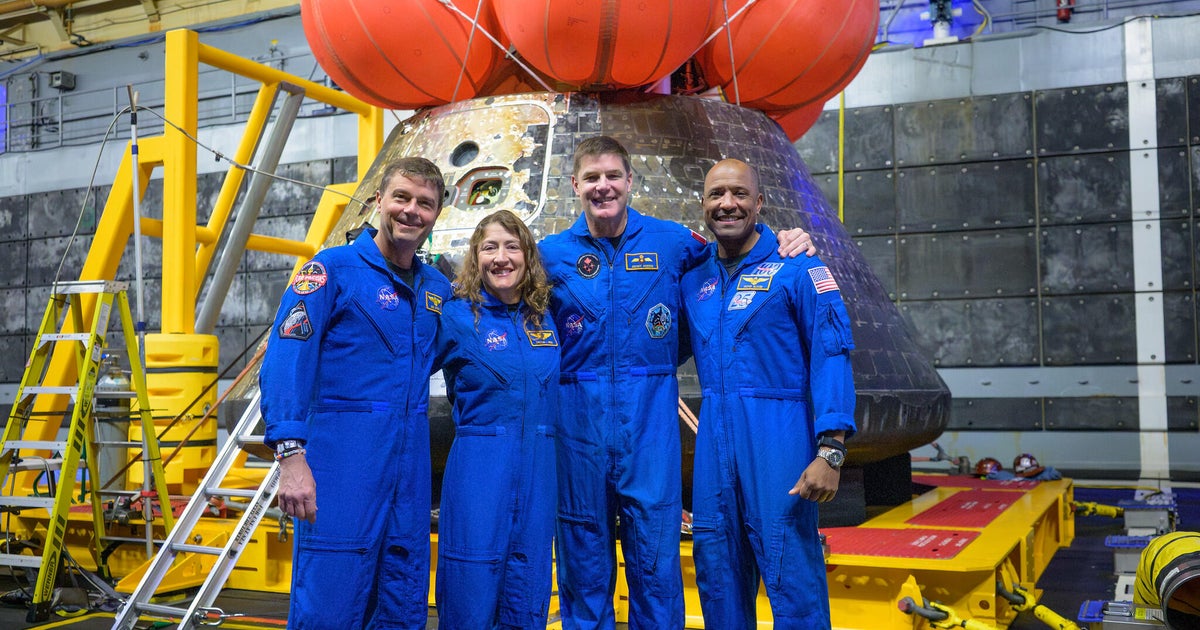
NASA's Artemis II crew returned safely after a nine-day moon mission, the first piloted flight to the moon and back since Apollo ended more than 50 years ago. The astronauts traveled 252,756 miles from Earth, set a new distance record, and completed key Orion spacecraft checks that support future lunar missions. The article is highly positive for NASA's Artemis program, though the direct market impact is limited.
The investable read-through is not the headline mission itself; it is the change in political and budgetary probability space. A successful crewed lunar flight materially de-risks the Artemis schedule, which should improve the odds of multi-year funding continuity for launch systems, deep-space comms, thermal protection, precision guidance, and lunar infrastructure contractors. The second-order effect is a broader re-rating of suppliers with NASA exposure because successful execution tends to pull forward procurement awards, integration work, and cost-plus visibility.
The real winner set is likely the industrial and defense ecosystem around heavy-lift, avionics, and human-rated systems, not the pure “space hype” names. After a high-visibility mission, Congress and the White House have less room to question sunk costs, so the next 6-18 months should see better funding durability for programs tied to lunar permanence, surface mobility, and launch cadence. That creates a favorable backdrop for diversified primes and selected subcontractors with low single-digit revenue exposure but high sentiment leverage.
The contrarian risk is that narrative strength can outrun revenue realization. If the next phase slips, the market may quickly fade the optics premium because investors will realize this success mostly improves long-dated probability, not near-term P&L; historically, space-program enthusiasm decays fast when the next milestone is 9-15 months away. Also, a successful demo can paradoxically raise scrutiny around cost overruns and schedule discipline, which could compress multiples if procurement headlines turn from celebration to oversight.
For a cleaner trade, the best expression is owning the enablers and avoiding pure-play volatility. The setup favors a basket long in defense/space suppliers versus a short in speculative space equities, because the former monetize program continuity while the latter depend on sentiment and financing windows. On pullbacks, this should be bought as a 3-12 month positioning theme rather than a 1-2 week event trade.
AI-powered research, real-time alerts, and portfolio analytics for institutional investors.
Request DemoOverall Sentiment
moderately positive
Sentiment Score
0.62
Ticker Sentiment
