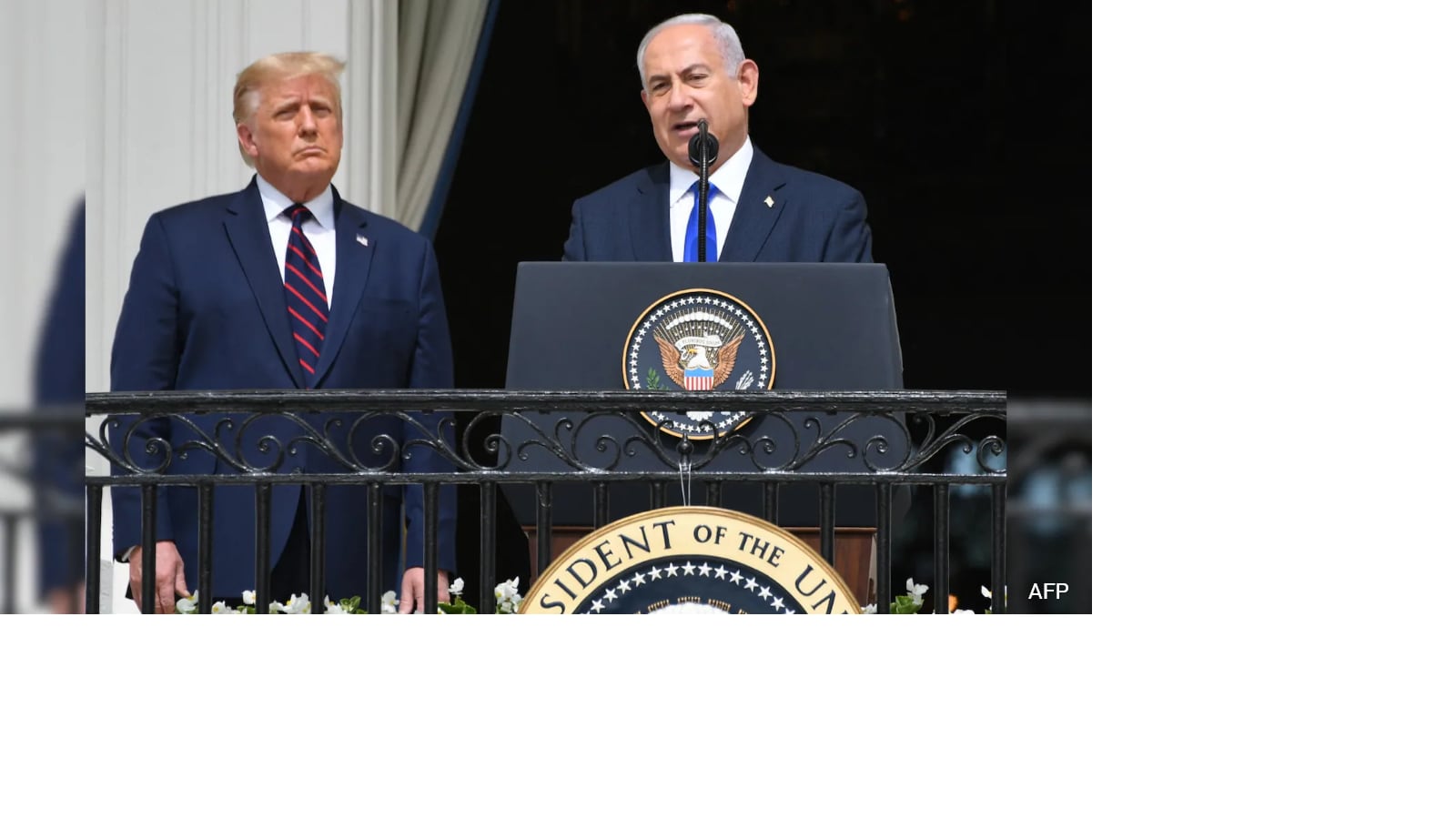
Trump said six Muslim-majority countries — Saudi Arabia, Qatar, Pakistan, Egypt, Jordan and Turkey — should join the Abraham Accords as part of efforts tied to an Iran peace deal. The article underscores ongoing US efforts to expand normalization with Israel, but also highlights resistance from Saudi Arabia and broader regional strain since the October 2023 Gaza war. The main market relevance is geopolitical: any progress or setback could affect Middle East risk premia, defense assets, and energy-sensitive sentiment.
This is less a near-term peace signal than a sequencing attempt: Washington is trying to pre-sell a regional security architecture before the underlying political constraints are solved. The market implication is that defense and cyber names tied to Gulf rearmament can outperform on headline flow even if diplomacy stalls, because every round of normalization talk tends to raise expectations for air-defense integration, ISR, and U.S.-made platform purchases across the Gulf.
The bigger second-order effect is on Saudi and broader GCC capital allocation. If Riyadh sees any credible path to incremental normalization, it can justify a heavier U.S.-aligned procurement mix and faster localization of defense industrial policy; if not, the same pressure likely pushes the Saudis to hedge harder with non-U.S. suppliers and delay headline-sensitive decisions. That creates a binary setup for primes with Middle East exposure: contract timing matters more than broad geopolitical direction over the next 1-3 quarters.
The contrarian read is that the more forcefully normalization is tied to Iran diplomacy, the less likely an actual breakthrough becomes. That makes the tradeable asset not “peace,” but volatility around the probability distribution: each failed negotiation should reprice down the odds of regional de-escalation, while each constructive step lifts defense spending expectations. In other words, the overdone part is assuming linear progress; the underappreciated part is that the U.S. is effectively monetizing diplomacy into procurement optionality.
AI-powered research, real-time alerts, and portfolio analytics for institutional investors.
Request DemoOverall Sentiment
neutral
Sentiment Score
-0.05
