The article argues that five AFC teams face unusually high stakes in the 2026 NFL Draft, led by the Jets, Chiefs, Raiders, Browns and Dolphins. New regimes, quarterback uncertainty, thin playoff outlooks and heavy draft capital make this draft pivotal for each franchise’s rebuild or contention window. The most pressure is on the Jets, who own two first-round and two second-round picks after trading away Quinnen Williams and Sauce Gardner.
This is less a sports story than a capital-allocation stress test: the teams with the most draft picks are all effectively betting that inexpensive rookie contracts can offset either cap damage, roster churn, or a thin margin for error at quarterback. The second-order implication is that the market value of competent cheap starters is rising materially in the NFL ecosystem, which should favor organizations with stable coaching/development pipelines over teams that are trying to manufacture contention through volume alone.
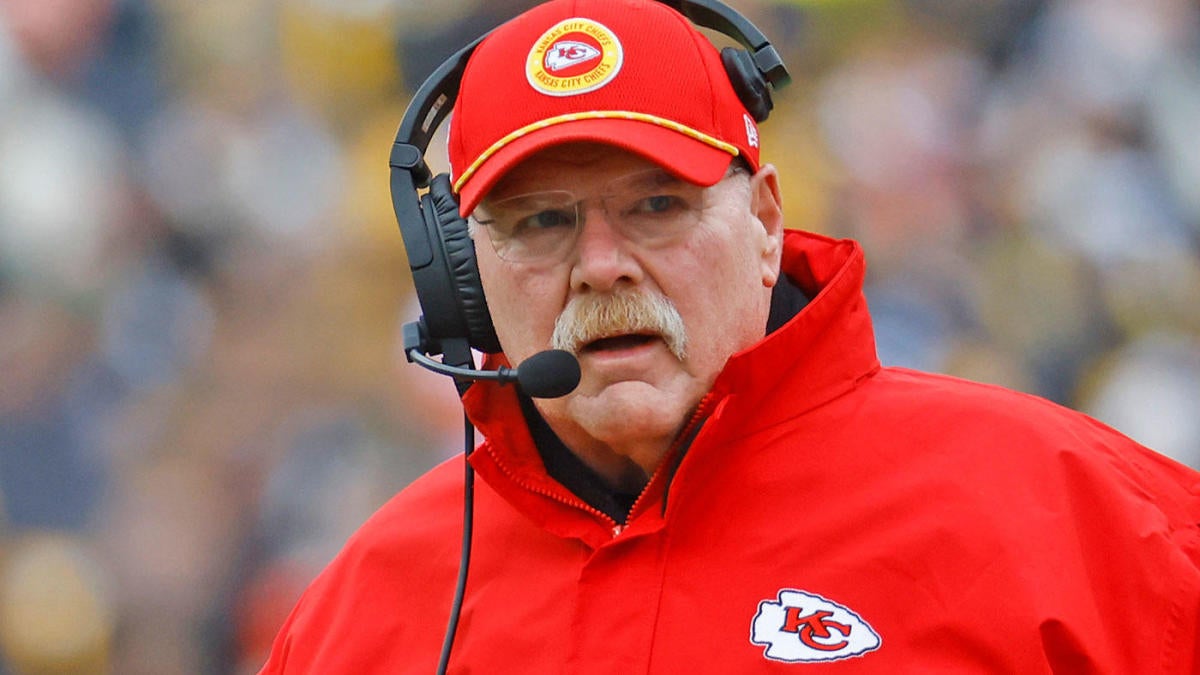
The Chiefs are the key asymmetry. They are no longer operating from a position of surplus optionality; the draft is now their cheapest path to preserving elite status while cap space stays constrained for multiple years. That makes their first-round evaluations more valuable than the headline suggests: one miss at the top can force a multi-year drift into medium-tier roster construction, while one hit restores a championship window almost immediately.
The Jets are the classic high-variance setup. Two top-44 picks plus extra first-round capital from prior trades create a plausible rapid-rebuild path, but the real bottleneck is not draft quantity — it is the conversion rate of young talent into functional offensive efficiency within one season. If the early picks do not materially improve quarterback protection and turnover creation, the franchise is likely to reset the entire regime again before the draft class has time to compound.
The contrarian takeaway is that the Browns may be the most underappreciated structural bet: they do not need a miracle, only competent offense construction to convert a defense-led roster into a mid-tier winner. By contrast, the Raiders and Dolphins face a more fragile path because they are asking new quarterback situations to stabilize before the rest of the roster is proven, which usually takes longer than owners tolerate. In short, the teams with the biggest draft hauls are not equally investable; the best setup is where talent acquisition aligns with continuity and time horizon, not just picks.
AI-powered research, real-time alerts, and portfolio analytics for institutional investors.
Request TrialOverall Sentiment
mildly negative
Sentiment Score
-0.15
