

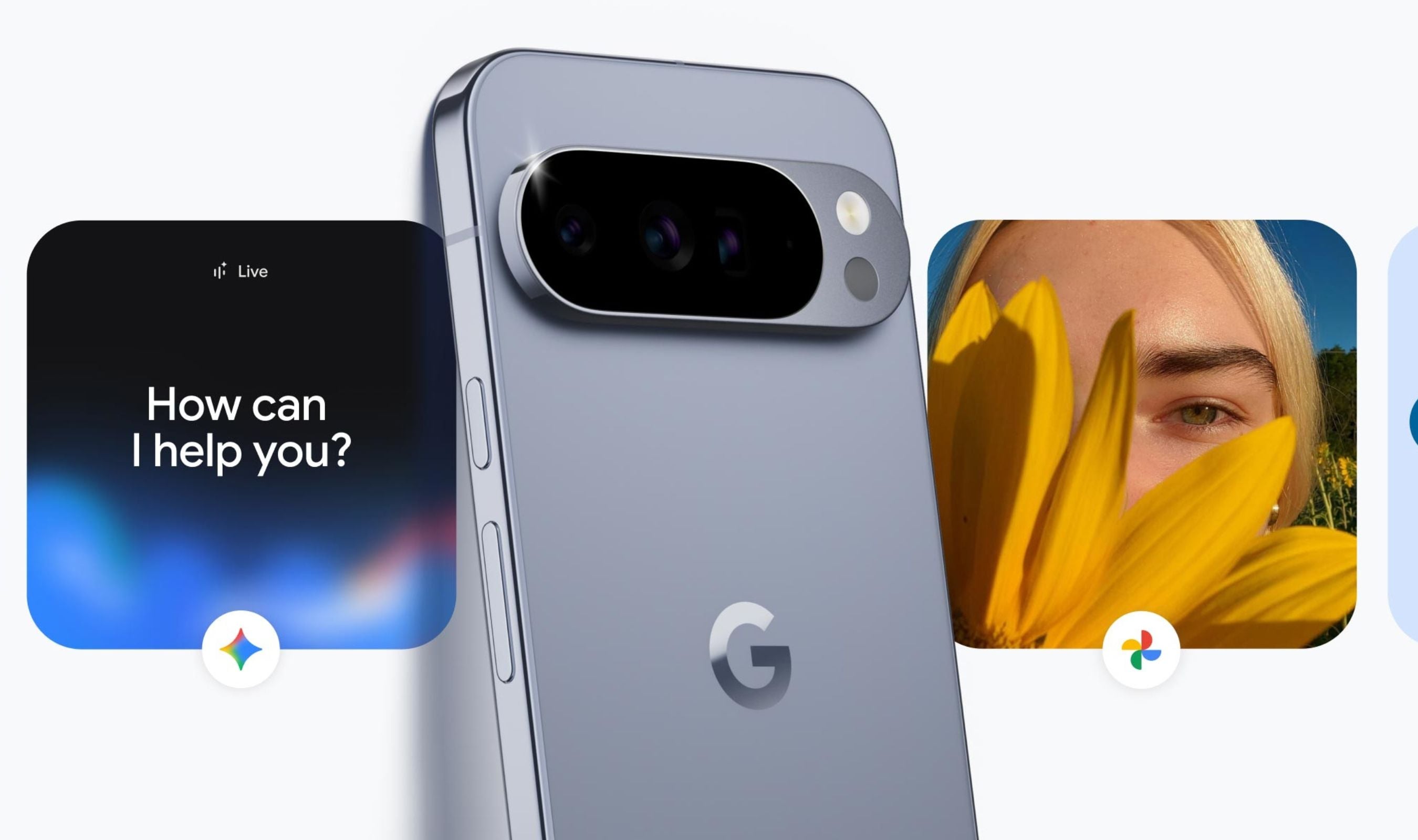
Google's March Android 16 QPR3 update is causing bootloops across Pixel 6 through Pixel 10 devices, with some phones stuck at the Google logo or reporting corrupted Android system data. The only reliable fix appears to be a factory reset that erases user data, while Pixel 8 Pro wireless failures are requiring temporary cooling to restore Wi-Fi and Bluetooth connectivity. Google has acknowledged the issue through an active Issue Tracker thread, but no timeline for a fix has been provided.
This is not just a product-support issue; it is a trust and update-adoption problem that can bleed into Google’s broader device ecosystem economics. When routine OS maintenance can strand phones or trigger radio instability, the second-order effect is lower willingness to install future patches, which raises long-run security exposure and increases support costs per device. That matters more for Pixel than for Android at large because Pixel serves as Google’s reference hardware, so reliability failures disproportionately damage the credibility of its software stack and the consumer case for future hardware upgrades.
The near-term loser is GOOGL’s hardware margin, but the bigger P&L risk is softer: deferred Pixel replacement cycles and higher return/repair friction during a period when Google is trying to defend premium Android share. If the issue persists through the next patch cycle, expect elevated support escalations and warranty provisioning, especially for out-of-warranty users who still generate brand damage but little offsetting service revenue. A prolonged pattern would also strengthen competitor messaging around update stability, creating a quiet share shift toward Samsung and Apple without requiring any single launch failure.
RDDT is a small relative beneficiary because these incidents drive concentrated troubleshooting traffic and recurring community engagement, but this is low-quality engagement and not a durable monetization tailwind. The more interesting contrarian angle is that the market may underprice the probability of an issue resolution that restores confidence quickly; if Google ships a hotfix within days to a few weeks, the direct financial hit should remain modest. The key is whether the problem is contained to a narrow firmware path or indicates a broader update QA regression — the latter would be a months-long brand overhang, not a one-off support event.
For trading, the cleaner expression is to fade any relief rally in GOOGL rather than shorting outright: this is a reputational drag with limited immediate EPS impact, but enough to cap near-term sentiment into the next Android/Pixel announcement window. If you want convexity, buy short-dated downside structures on GOOGL into the next patch expectation date, since a fix would likely suppress realized downside while a delay reopens support and churn concerns. Avoid overweighting RDDT on this thesis; traffic is likely to spike, but the monetization signal is noisy and not obviously incremental.
AI-powered research, real-time alerts, and portfolio analytics for institutional investors.
Request TrialOverall Sentiment
strongly negative
Sentiment Score
-0.62
Ticker Sentiment
