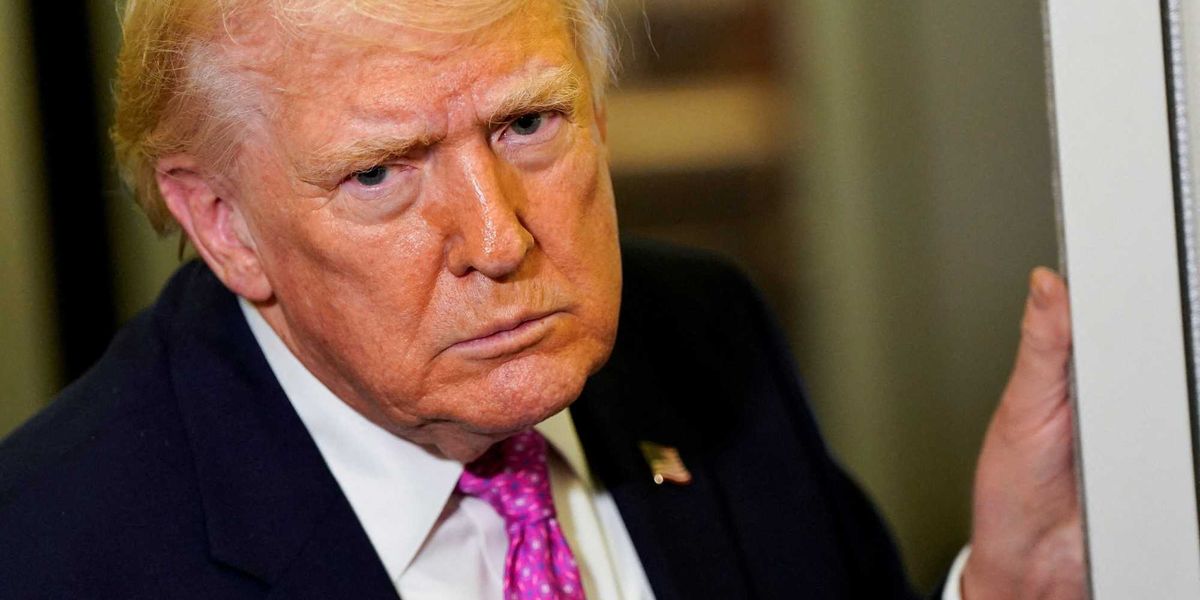
Trump Media and Technology Group reported just $871,200 in Q1 2026 revenue and a $405.9 million net loss, with Adjusted EBITDA at a $387.8 million loss. The company attributed the deficit largely to non-cash losses tied to digital assets, equity securities, accreted interest, and stock-based compensation, while still promising continued Truth Social and Truth+ product development. The filing also reiterated plans to merge with TAE Technologies as quickly as possible.
The key read-through is not just that the business is unprofitable; it is that the equity story is increasingly hostage to mark-to-market noise from crypto and financial engineering rather than durable operating traction. That tends to compress the multiple quickly because investors stop valuing the platform on user growth and instead anchor on balance-sheet volatility, which makes any rally mechanically easier to fade on future filings. In other words, the market can tolerate weak ad monetization for a while; it has a much harder time forgiving recurring non-operating losses that create headline risk every quarter.
For competitors, the second-order benefit is to the larger, more liquid social/video ad platforms that can absorb incremental political and creator traffic without the same governance discount. If Truth Social keeps spending on platform upgrades and international expansion while cash generation remains thin, it risks becoming a capital sink that diverts attention from monetization, which is a net positive for incumbents with better ad-tech stacks and distribution. The crypto angle also matters: any deterioration in digital-asset prices could widen reported losses even if operating performance is unchanged, making the equity behave more like a levered digital-asset proxy than a media stock.
The main catalyst path is time-based: the next one to two quarters matter more than the headline runway because management has effectively promised that operational improvements are coming soon. If revenue does not inflect while losses stay swollen, expect a renewed de-rating and heightened pressure around financing flexibility, conversion terms, and merger execution. The bullish counterpoint is that low absolute revenue means a small improvement in monetization rate can look large on a percentage basis, so the stock can rip violently on any evidence of product traction or crypto mark-up; but absent that, the skew remains to the downside.
Consensus may be underestimating how much of the equity narrative is now disconnected from the core platform and tied instead to sentiment around the broader Trump complex. That can keep the stock persistently overvalued relative to fundamentals for longer than a traditional media name, but it also means drawdowns can be sharper when political or crypto enthusiasm cools. The trade is less about forecasting user growth and more about timing the market’s patience with an expensive story that still lacks operating proof.
AI-powered research, real-time alerts, and portfolio analytics for institutional investors.
Request DemoOverall Sentiment
strongly negative
Sentiment Score
-0.70
Ticker Sentiment
