
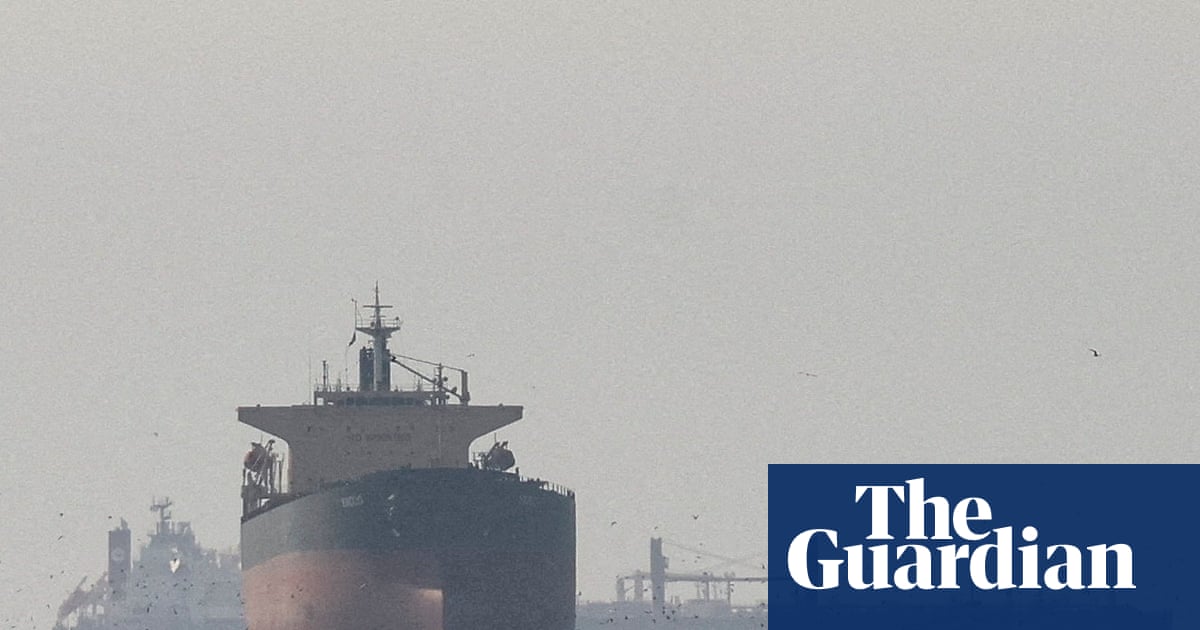
The IMF warned the US-Israel war on Iran could trigger an unprecedented energy crisis, with severe scenarios putting global growth at just 2.0% in 2026 and inflation at 5.8%. In an adverse case, oil at about US$100 a barrel would cut 2026 global growth to 2.5% versus 3.3% forecast in January. The report is a major macro shock for markets, while Australia faces higher inflation at 4.0% this year and policy pressure ahead of the 12 May budget.
The market is underpricing the second-order macro effect: this is not just an oil shock, it is a policy-constrained inflation shock. If energy prices spike while inflation is already sticky, central banks will tolerate weaker growth longer than they would in a pure demand slowdown, which raises the odds of an extended regime of higher real rates and flatter duration curves. That combination is more damaging for cyclical equities than the headline GDP downgrades imply, because it compresses multiples even if earnings only roll over modestly.
The clearest winners are upstream cash generators with low break-even costs and minimal direct exposure to Asian refining bottlenecks; the clearest losers are transport, chemicals, discretionary retail, and rate-sensitive domestics that face both input-cost pressure and margin compression. LNG is a more nuanced beneficiary than broad oil beta: if the shock persists, European and Asian gas markets reprice as a substitute fuel, but the upside is capped by export logistics, shipping insurance, and potential government intervention. The real supply-chain fragility sits in time-to-delivery sectors—airlines, shipping, and industrials with just-in-time inventories—where margin damage can show up before consumer demand visibly weakens.
The most important catalyst window is days to weeks, not quarters: once markets believe the Strait remains at risk, front-end energy volatility can overshoot fundamentals and force systematic de-risking across equities and credit. Conversely, a credible ceasefire or rapid reopening would likely mean the inflation impulse fades faster than the growth impulse, producing a sharp reversal in energy and a relief rally in duration-sensitive assets. That asymmetry argues for trading volatility rather than outright directional exposure where possible.
Consensus may be too focused on the obvious long-energy trade and not enough on the policy response. If governments move quickly to targeted fuel relief or strategic stock release, the immediate pain to households can be muted even while corporate margins deteriorate, reducing the chance of broad fiscal stimulus and making the shock more sector-specific than index-wide. In that setup, the best trades are relative-value shorts in vulnerable sectors versus energy, not naked macro hedges that depend on a full-blown recession.
AI-powered research, real-time alerts, and portfolio analytics for institutional investors.
Request TrialOverall Sentiment
strongly negative
Sentiment Score
-0.75
Ticker Sentiment
