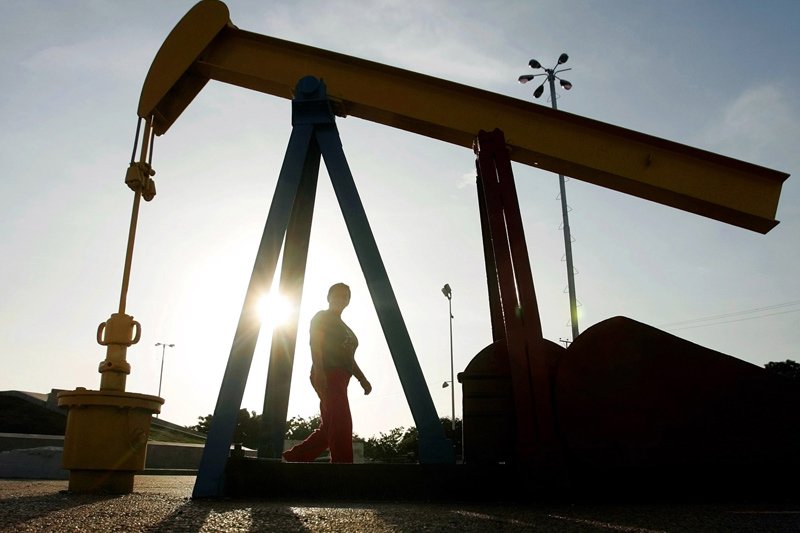
A drone strike hit an electrical generator outside the inner perimeter of the Barakah Nuclear Power Plant in the UAE, although officials said radiological safety levels, operations, and injuries were unaffected. The attack comes amid stalled U.S.-Iran diplomacy and continued disruption around the Strait of Hormuz, heightening risks to Gulf energy infrastructure and shipping. The article points to broader escalation risk for oil and gas markets and regional security.
This is a regime-shift headline for risk premia, not just a one-off security event. A strike near critical nuclear infrastructure raises the probability of miscalculation in the Gulf, which tends to widen shipping insurance, lift forward freight, and steepen the backwardation in regional energy benchmarks before spot physical flows actually break. The market usually underprices the second-order effect: even when facilities stay operational, rerouting, inspection delays, and precautionary convoying can remove meaningful effective supply for weeks.
The biggest near-term winners are not obvious E&Ps but firms with flexible logistics, security, and pricing power: tanker owners, LNG carriers with shorter contracted exposure, and defense names tied to air/missile interception and perimeter systems. The most vulnerable cohort is globally exposed industrials and EM importers that depend on Gulf transit, because margin pressure shows up first in freight and feedstock costs before it appears in headline energy prices. Refined products can also outperform crude if the market prices in localized delivery disruption rather than a broad supply shock.
Consensus is likely to anchor on "ceasefire risk" and fade the move, but the setup is asymmetric because diplomatic deadlock means the next catalyst can come from any side: another drone strike, a retaliatory maritime incident, or a formal traffic-management announcement that is perceived as de facto restriction. That creates a days-to-weeks volatility window where implied vol may still be cheap versus realized. The contrarian risk to being too bullish on energy is that a political deal or externally imposed corridor could normalize shipping faster than expected, capping upside in flat-price commodities while preserving vol in defense and logistics names.
AI-powered research, real-time alerts, and portfolio analytics for institutional investors.
Request DemoOverall Sentiment
strongly negative
Sentiment Score
-0.60
