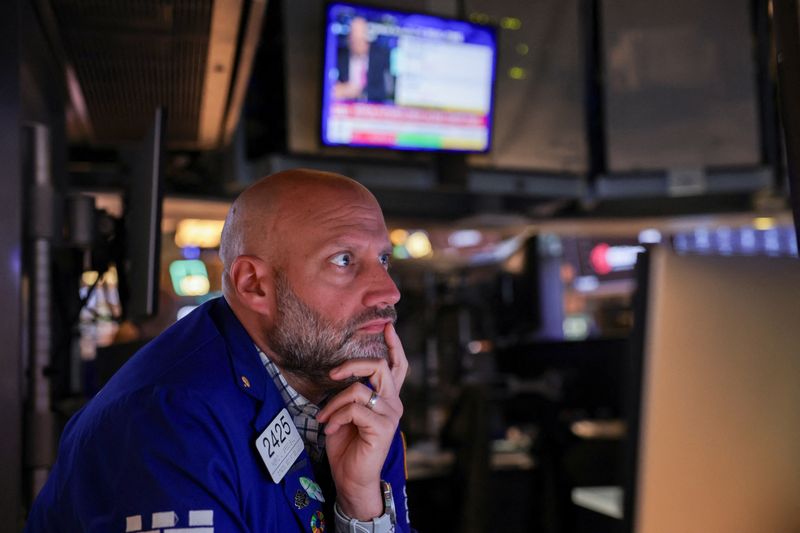
Geopolitical tensions intensified after Trump called Iran’s response on nuclear dismantlement "totally unacceptable," with Tehran demanding war reparations, Hormuz sovereignty, and full sanctions relief within 30 days. Brent crude jumped above $104 a barrel, GBP/USD slipped 0.24% to 1.3601, and U.S. officials reiterated that free passage through the Strait of Hormuz is non-negotiable. UK equities were cautious, while Heathrow said April passenger traffic fell 5% to 6.7 million as Middle East traffic dropped more than 50%.
The immediate market read is not just higher oil; it is a repricing of tail risk around transport chokepoints. If Hormuz friction persists, the first-order winner is energy, but the second-order winners are firms with non-discretionary pricing power and low Middle East exposure, while the hidden losers are air travel, European cyclicals, and any margin-sensitive importer whose input costs are globally repriced in USD. Brent above $100 is also a macro tax on Europe at a time when growth is already fragile, so the equity impact can outlast the headline if the shipping risk premium stays embedded for several weeks.
For Palantir, the NHS data access story is more about regulatory optics than near-term revenue. The risk is not a single contract loss; it is that public-sector buyers may increasingly bake in stricter governance, auditability, and time-limited access requirements, which lengthens sales cycles and compresses implementation upside. That said, if this becomes a template for broader AI/data platform adoption in healthcare, the longer-term moat actually strengthens because the vendors that can pass security reviews and data-control scrutiny will take share from lighter-weight competitors.
Heathrow’s traffic hit is a useful read-through for airport/aviation names: route mix matters more than top-line passenger counts. A Middle East disruption can reroute transfer traffic through London while still damaging yield on the most profitable long-haul segments, which means headline traffic can stabilize before earnings do. The bigger underappreciated effect is on European airlines’ fuel hedging and cargo economics, where sustained crude strength can hit margins with a lag of one to two quarters.
The consensus may be overestimating how quickly this de-escalates. Even if diplomacy resumes, the market tends to keep a geopolitical risk premium in crude for 2-6 weeks after the initial spike, especially when the dispute centers on a chokepoint rather than a single field outage. That favors tactical energy longs, but also argues for fading the most directly exposed travel and consumer-discretionary names on strength rather than chasing broad index hedges.
AI-powered research, real-time alerts, and portfolio analytics for institutional investors.
Request DemoOverall Sentiment
moderately negative
Sentiment Score
-0.35
Ticker Sentiment
