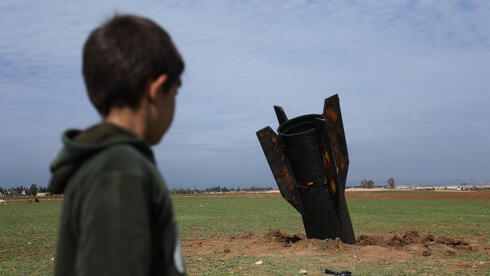
Hostilities remain active across Lebanon, Gaza, and the Persian Gulf, with missile fire into northern Israel, an IDF reservist seriously wounded, and at least six reported killed in Gaza. U.S. intelligence says Iran still retains thousands of ballistic missiles despite losing more than half of its launchers and about half its stockpile, keeping regional escalation risk elevated. Washington is also preparing talks on detained Americans as diplomatic efforts continue, while concern grows that Iran could use the ceasefire to rebuild its arsenal.
The market is still underpricing the duration risk of a “ceasefire without disarmament.” The near-term signal is not a broad de-escalation but a shift from headline war premium into a longer, thinner risk premium that can persist for months: enough to keep regional logistics, insurance, and energy optionality elevated, but not enough to force immediate repricing of global growth. The key second-order effect is that even limited follow-on strikes in Lebanon or Gaza increase the probability of a miscalculation that drags U.S. assets and shipping corridors back into the conflict set.
Energy is the cleanest transmission channel. The biggest bull case is not a sustained supply shock from outright Hormuz closure, but a higher floor on prompt crude and refined products from repeated “near-miss” incidents that force shippers to buy insurance, reroute inventory, and hold more working capital. That benefits upstream and integrated energy cash flows more than it benefits refiners, while also creating a lagged inflation impulse that could pressure rate-sensitive assets if the standoff lasts through the next 4-8 weeks.
Defense and ISR names should benefit asymmetrically because the conflict profile favors interceptors, sensors, and munitions replenishment over platform-heavy procurement. The underappreciated wrinkle is that depletion of missile inventories on one side does not remove demand; it just shifts spend toward reconstitution and stockpile resilience, which is structurally favorable for U.S. and allied defense supply chains over the next 1-3 quarters. Emerging-market risk is more about capital flows and FX than direct trade exposure: Pakistan, Lebanon, and wider regional credits remain vulnerable to headline-driven spread widening if talks stall.
The contrarian setup is that the market may be overestimating the probability of immediate re-escalation in a straight line. A negotiated pause, even if fragile, can compress the most extreme tail risks quickly, especially if prisoner/detainee issues create a face-saving off-ramp. That argues for expressing the view with options rather than outright directional cash risk: you want convexity if the corridor reopens or if talks fail, but you do not want to pay full beta for a base case that may slowly improve.
AI-powered research, real-time alerts, and portfolio analytics for institutional investors.
Request DemoOverall Sentiment
strongly negative
Sentiment Score
-0.55
