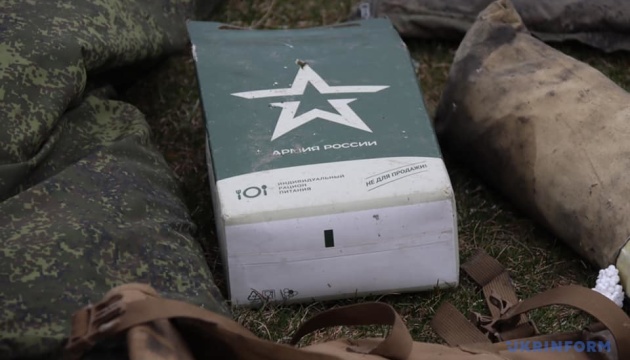
Ukraine’s General Staff reported a one-day increase of 1,030 Russian war casualties and listed cumulative Russian equipment losses as of Jan. 9 including 11,526 tanks (+5), 23,882 armored combat vehicles (+8), 35,892 artillery systems (+18), and 102,761 tactical/operational UAVs (+687), along with 73,426 vehicles and fuel trucks (+90). The update, cited by Ukrinform, also noted 142 combat engagements on Jan. 8; the persistent high tempo of losses underscores ongoing frontline intensity and supports continued geopolitical risk that can keep energy and defense-related market volatility elevated.
Market structure: Sustained high Russian equipment attrition implies prolonged kinetic intensity, which structurally benefits large defense primes (LMT, NOC, RTX, GD) and specialty ammunition/drone suppliers while hurting European travel, insurance, and commodity-dependent supply chains. Expect pricing power for munitions, air-defense and EW suppliers to rise 10–30% in order backlog terms over 6–12 months as Western aid continues and replacement cycles accelerate. Energy and agricultural exporters (XOM, CVX, MOS, ADM) gain from risk premia in oil/gas and grains if logistics remain disrupted, pushing commodity vol higher.
Risk assessment: Tail risks include rapid escalation (NATO direct engagement) or a negotiated ceasefire; both are low-probability but high-impact — escalation could spike oil >$100/bbl and European gas winter stress, ceasefire could depress defense rerates by >20% from peak; time horizons: immediate 0–30 days for headline-driven vol, 1–6 months for procurement cycles, multi-year for modernization spending. Hidden dependencies: microelectronic supply constraints and sanctions on Russia’s energy networks can bottleneck production of guidance systems; fiscal funding votes in US/EU are key catalysts for order flows.
Trade implications: Primary trades — establish 2–3% long positions in LMT and NOC split, and a 1–2% overweight in XOM/CVX for commodity upside; buy 9–12 month call spreads (e.g., LMT 12-month 5–10% OTM call spreads) to cap premium while retaining upside. Hedging: buy 1–2% allocation to VIX call calendar spreads or long-dated VXX calls for 0–90 day tail protection and 1–2% TIPS (TIP) for inflation/real-rate buffer; reduce airline exposure by trimming AAL/UAL by 30% size within 2 weeks.
Contrarian angles: Consensus bids for large primes may be >50% priced in; look for mispricings in mid/small-cap muni contractors and specialist electronics suppliers (LHX, HRS) whose revenues can rerate 30–60% with new contracts but have seen muted moves. Also consider selective short of defense ETFs/overbought primes if major diplomatic breakthrough occurs — set automatic unwind triggers tied to confirmed ceasefire within 30 days or >15% pullback in Brent from current levels. Historical parallels (Afghanistan/Iraq) show spikes in ordnance demand persist for 12–36 months, not just weeks, favoring sustained exposure to select suppliers.
AI-powered research, real-time alerts, and portfolio analytics for institutional investors.
Request DemoOverall Sentiment
moderately negative
Sentiment Score
-0.50
