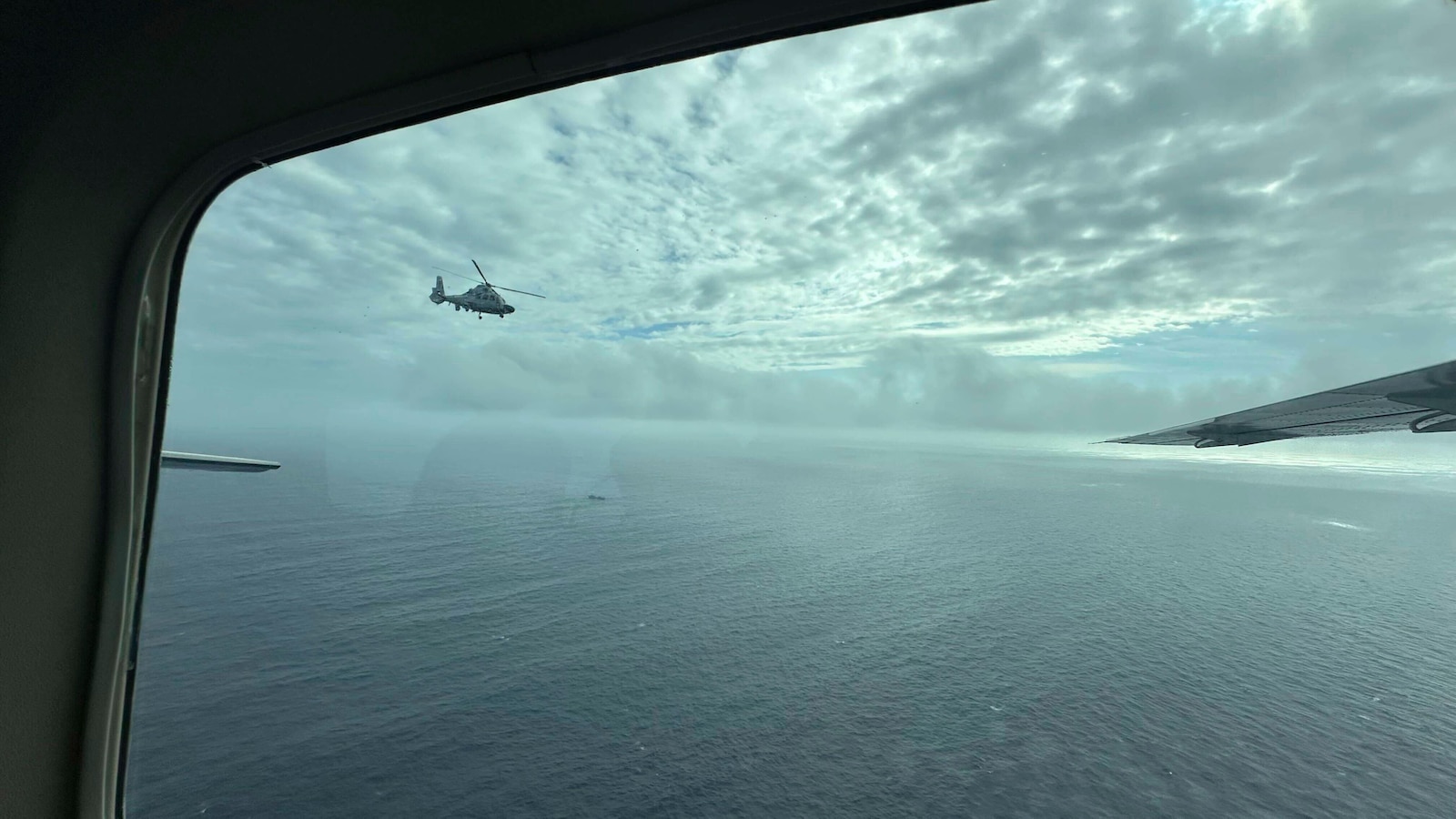
China has approved the establishment of a national nature reserve at Scarborough Shoal, a disputed territory it calls Huangyan Island, also claimed by the Philippines. This move is a significant assertion of sovereignty in a critical South China Sea area, known for vital shipping lanes, fishing grounds, and potential mineral resources. The decision is poised to escalate geopolitical tensions, following recent confrontations between Chinese and Philippine vessels and multilateral military drills in the vicinity, underscoring increased regional instability and potential risks to maritime trade and resource access.
China's approval to establish a national nature reserve at Scarborough Shoal represents a significant escalation in its long-standing territorial dispute with the Philippines. This unilateral action, framed as an environmental measure, serves as a thinly veiled assertion of sovereignty over a strategically critical area in the South China Sea. The region is not only a vital shipping lane patrolled by the U.S. Navy but also holds valuable fishing grounds and potential mineral resources. The move heightens regional instability, which has already been demonstrated by recent events, including a collision between Chinese naval and coast guard vessels and subsequent multilateral military drills involving the Philippines, Australia, and Canada near the shoal. This development introduces further uncertainty and risk of miscalculation in a contested maritime domain, with direct implications for international trade, resource access, and regional security architecture.
AI-powered research, real-time alerts, and portfolio analytics for institutional investors.
Request DemoOverall Sentiment
moderately negative
Sentiment Score
-0.50
