


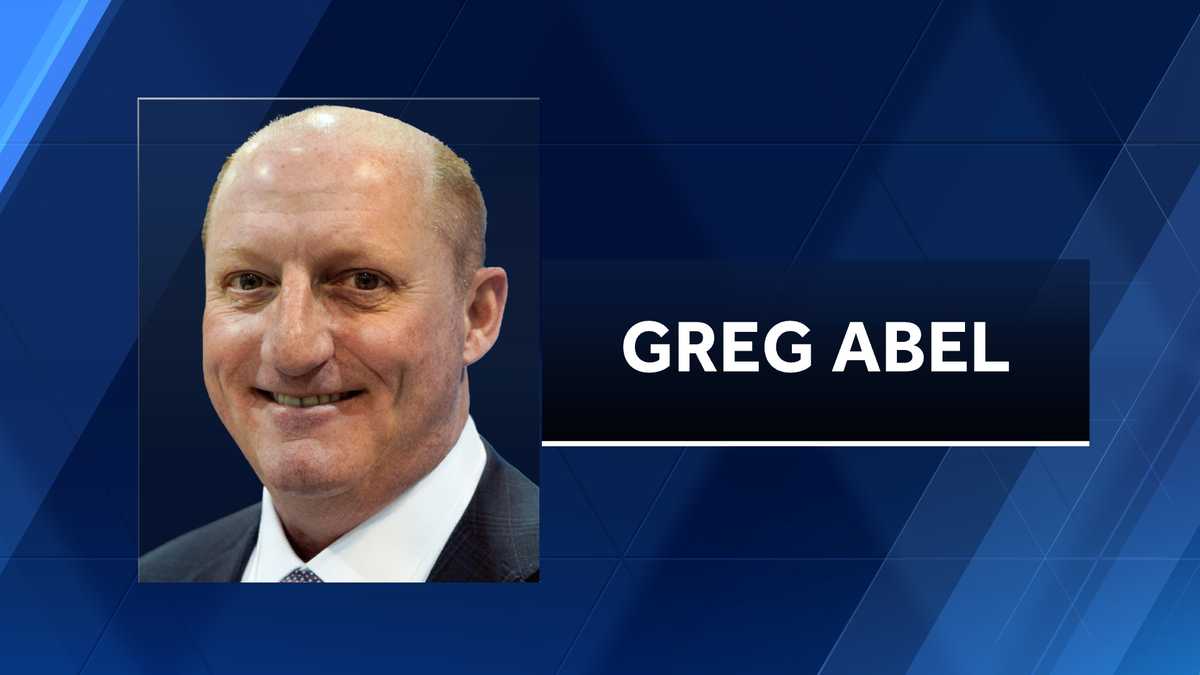
In his first shareholder letter as Berkshire Hathaway CEO, Greg Abel emphasized the company's large balance sheet as a strategic asset to be deployed opportunistically and pledged to avoid acquiring businesses that could harm Berkshire's reputation. The letter reiterated existing large equity holdings such as Apple and American Express, signaled continuity in investment approach under new leadership, and outlined changes to the shareholder Q&A format including appearances by Ajit Jain, Katie Farmer and Adam Johnson.
Market structure: Abel’s first letter signals continuity but a slightly more filtered capital-allocation stance; winners are large, liquid holdings that fit Berkshire’s reputation (AAPL, AXP) and businesses that can be bought privately when valuations dislocate. Losers in the near term include KHC if Berkshire offloads shares (incremental supply into public markets), and packaged-food peers facing lower M&A appetite. Cross-asset: large cash deployment or M&A by Berkshire would bid long-duration credit and reduce equity volatility in chosen targets; conversely accelerated KHC selling could spike equity vol and depress its bonds by 50–200bps in stressed scenarios.
Risk assessment: Tail risks include reputational-screen-driven missed buy opportunities (permanent capital idle), regulatory pushback on outsized deals, and a disorderly KHC disposal causing contagion in consumer staples; probability moderate but impact high. Immediate (days–weeks): KHC price/volatility reactions around any disclosed sales; short-term (1–6 months): sentiment swings around May Q&A and early capital moves; long-term (1–3 years): return-on-capital hinge on whether Abel deploys Berkshire’s cash (~$100–150bn range) aggressively. Hidden dependencies include insurance float renewal rates and capital gains tax considerations that could time or limit sales.
Trade implications: Tactical plays: modest overweight BRK.B as a stable, low-volatility equity with optionality; tactical short/option exposure to KHC if selling is confirmed. Pair trades: long AAPL (or AAPL calls) vs short KHC captures Berkshire-friendly tech exposure against packaged-food downside; sector rotation into insurance/financials and industrials while trimming staples. Options: use 6–12 month put spreads on KHC to cap premium; sell covered calls on BRK.B/AAPL to harvest income if implied vol reverts down after reassurance from Abel.
Contrarian angles: The consensus that “continuity = safety” underprices the chance Abel sits on cash to avoid reputational risk, creating a 6–18 month window of under-deployment and earnings underperformance — a buy-on-pullback opportunity for BRK.B. Historical leadership transitions (e.g., post-founder-era holdings) show initial outperformance can be followed by multi-quarter consolidation; mispricing likely in KHC (overreacting to liquidity news) and in insurance names that under-rotate. Unintended consequence: public dumping of KHC could invite activists or forced buybacks, creating a steep, short-lived valuation dislocation rather than persistent decline.
AI-powered research, real-time alerts, and portfolio analytics for institutional investors.
Request TrialOverall Sentiment
mildly positive
Sentiment Score
0.25
Ticker Sentiment
