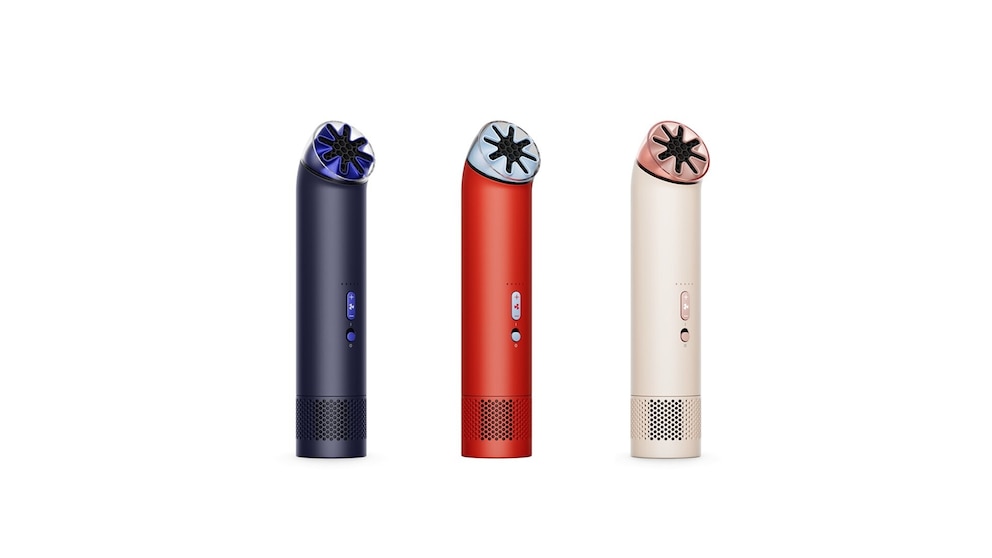
Dyson launched its first handheld fan, the HushJet Mini Coolfan, priced under $100. The compact device weighs 7.5 ounces, offers roughly six hours of battery life, and features five operating modes plus a boost; it is available now in stone/blush with additional colorways planned later this year, representing a low but positive incremental summer retail product for the brand.
This product is a deliberate low-friction entry aimed at converting brand-curious buyers into Dyson customers — the strategic objective is not unit economics but lifetime value via cross-sell to higher-margin home categories. In the near term (weeks→months) this will act as a marketing spend with measurable ROI: expect a small but concentrated uptick in branded search and affiliate referral revenue over the summer that benefits marketplace partners more than manufacturers of unbranded fans.
Second-order supply effects matter: precision motor and compact battery assemblies required for a premium portable fan create incremental demand for specialized suppliers (small brushless motors, controller ICs, injection-mold tooling) but volumes are small relative to large appliance cycles; the more important lever is tooling and color-SKU runs, which raise fixed costs for rivals forced to match finishes and SKUs. Over 6–18 months, incumbents with thin margins and legacy cost bases will face SKU rationalization pressure or promotional discounting to defend shelf space.
Tail risks and catalysts: the short run is dominated by seasonality and marketing cadence (days–weeks), but three asymmetric reversals exist — a spike in warranty/return rates that dents brand equity, a larger-than-expected retail rollout that accelerates market share loss for low-end players, or macro consumer pullback that compresses discretionary summer purchases. Monitor affiliate traffic, Google Trends, and small-motor supplier orderbooks; a persistent increase in branded searches or supplier backlog within 4–8 weeks is a leading indicator that the product is moving from promo to structural category pressure.
AI-powered research, real-time alerts, and portfolio analytics for institutional investors.
Overall Sentiment
moderately positive
Sentiment Score
0.30
