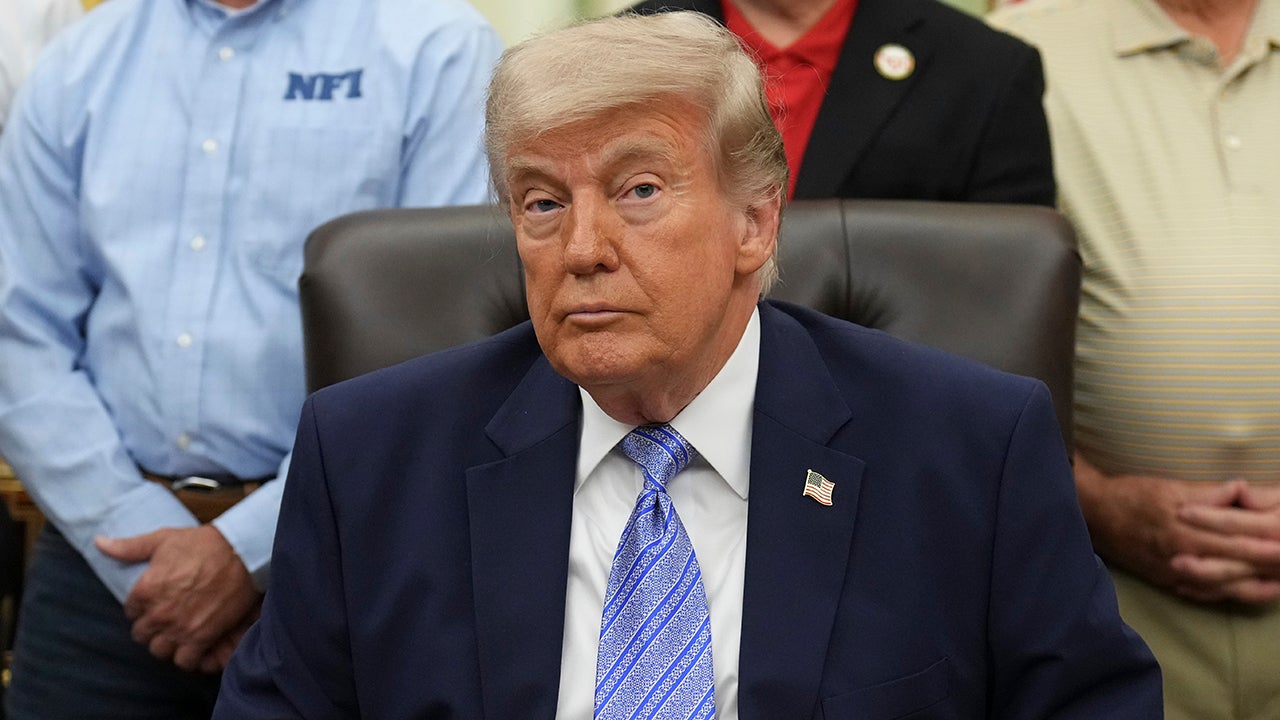
The U.S. and Iran remain locked in tense negotiations, with Secretary of State Marco Rubio saying there is only "slight progress" and that Tehran can never have a nuclear weapon. Central Command said 97 commercial ships have been redirected under the blockade of Iranian ports, while concerns persist that Iran could impose tolls or keep the Strait of Hormuz closed, a major risk for global energy and shipping flows. House Republicans also delayed a vote on limiting Trump’s war powers against Iran, underscoring the elevated geopolitical and legislative backdrop.
The market is underpricing how quickly a “toll” regime in Hormuz would transmit from headlines into second- and third-order inflation shocks. Even without a full closure, the combination of naval enforcement, redirected commercial tonnage, and ambiguous rules of engagement creates a self-reinforcing insurance and freight repricing cycle that can hit refined-product markets before spot crude fully rerates. The more important signal is not the diplomacy itself, but that Washington is publicly validating contingency planning, which raises the probability of a higher-floor geopolitical premium across energy, defense, and shipping for several weeks, not days.
The near-term winners are not just upstream producers; it is the entire security-of-supply complex. Defense names with missile defense, ISR, and naval support exposure should see follow-through bids if this escalates, while tanker, LNG, and dry-bulk operators face a split outcome: headline freight rates may rise, but voyage disruption and war-risk premiums can overwhelm utilization if more hulls are rerouted or idled. Refiners outside the Gulf can outperform if crude stays bid while product cracks widen on logistical friction, especially in diesel and jet where inventory buffers are thinner.
The key contrarian point is that a negotiated pause may be bearish for the obvious “war premium” longs before it is bullish for risk assets. If the market starts believing the blockade is a bargaining chip rather than a durable policy, energy vol can compress sharply even if spot barrels remain constrained, punishing late energy buyers. The asymmetry is highest in options: realized volatility can stay elevated while direction becomes binary around the next 1-2 diplomatic checkpoints and any congressional action window.
Politically, delayed war-powers voting lowers immediate de-escalation odds because it removes a forcing mechanism on the administration while keeping military optionality alive. That means the baseline path is prolonged uncertainty, which historically benefits assets with embedded convexity to geopolitical stress and hurts transport-sensitive cyclicals. If Hormuz remains functionally constrained for multiple weeks, expect second-round pressure on global inflation expectations and a tighter leash on rate-cut narratives.
AI-powered research, real-time alerts, and portfolio analytics for institutional investors.
Request DemoOverall Sentiment
moderately negative
Sentiment Score
-0.30
