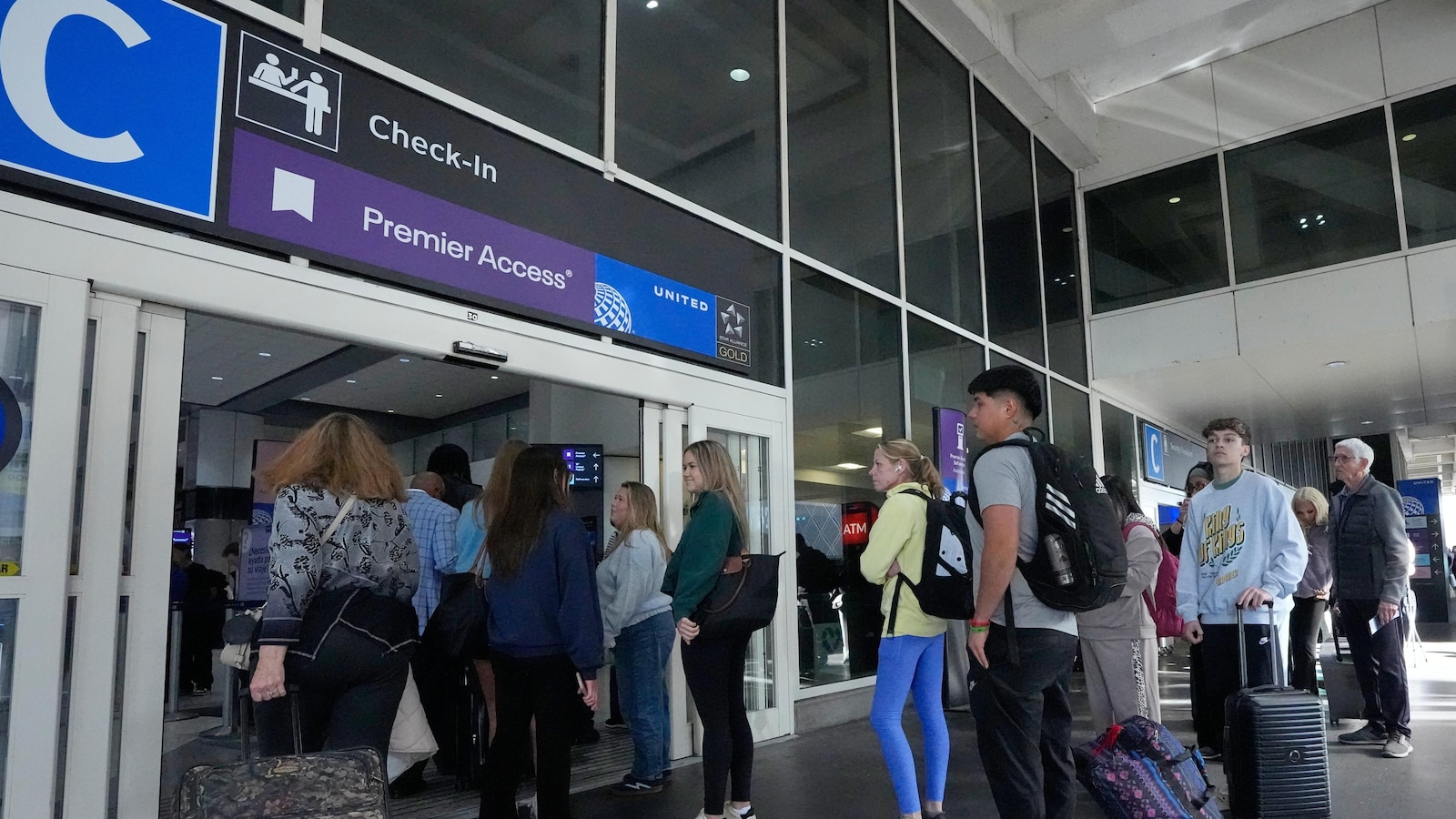
Rising jet fuel costs tied to the Middle East war are prompting airlines worldwide to cancel flights and cut capacity, including Lufthansa Group’s planned 20,000 short-haul flight reductions through October. The article highlights broader operational strain on airlines and travelers, with passenger protections varying significantly by region and compensation often depending on local law. The immediate impact is sector-level, with disruption likely to intensify into the summer travel season.
This is less a classic airline-demand shock than an operating-margin squeeze that lands unevenly across carriers. The key second-order effect is that cost inflation from fuel and schedule disruptions tends to hit network carriers with fragmented fleets and weaker digital rebooking infrastructure harder than low-cost operators with tighter control over turns and higher app engagement. Expect a relative advantage for airlines with strong domestic exposure, high ancillary revenue, and flexible labor agreements; they can preserve load factors while competitors absorb more refund and reaccommodation costs.
The bigger market signal is not the cancellations themselves but the potential for a rolling revision cycle as airlines protect summer utilization. If fuel stays elevated for several weeks, carriers will likely reduce capacity preemptively, which can support pricing on surviving routes while compressing margin through higher CASM and compensation expense. That creates a bifurcated setup: better yields for the survivors, but lower absolute earnings for the sector, especially where premium-heavy long-haul demand is less price elastic.
The contrarian point is that the market may overestimate consumer chaos and underestimate airline pricing power. Advance cancellations give travelers time to shift plans, which limits near-term reputational damage and could even improve network efficiency by concentrating demand on fewer flights. The real tail risk is a broader fuel shock lasting into peak season, which would force capacity discipline and raise the probability of negative estimate revisions over the next 1-2 quarters rather than an immediate systemic travel collapse.
AI-powered research, real-time alerts, and portfolio analytics for institutional investors.
Overall Sentiment
mildly negative
Sentiment Score
-0.25
