



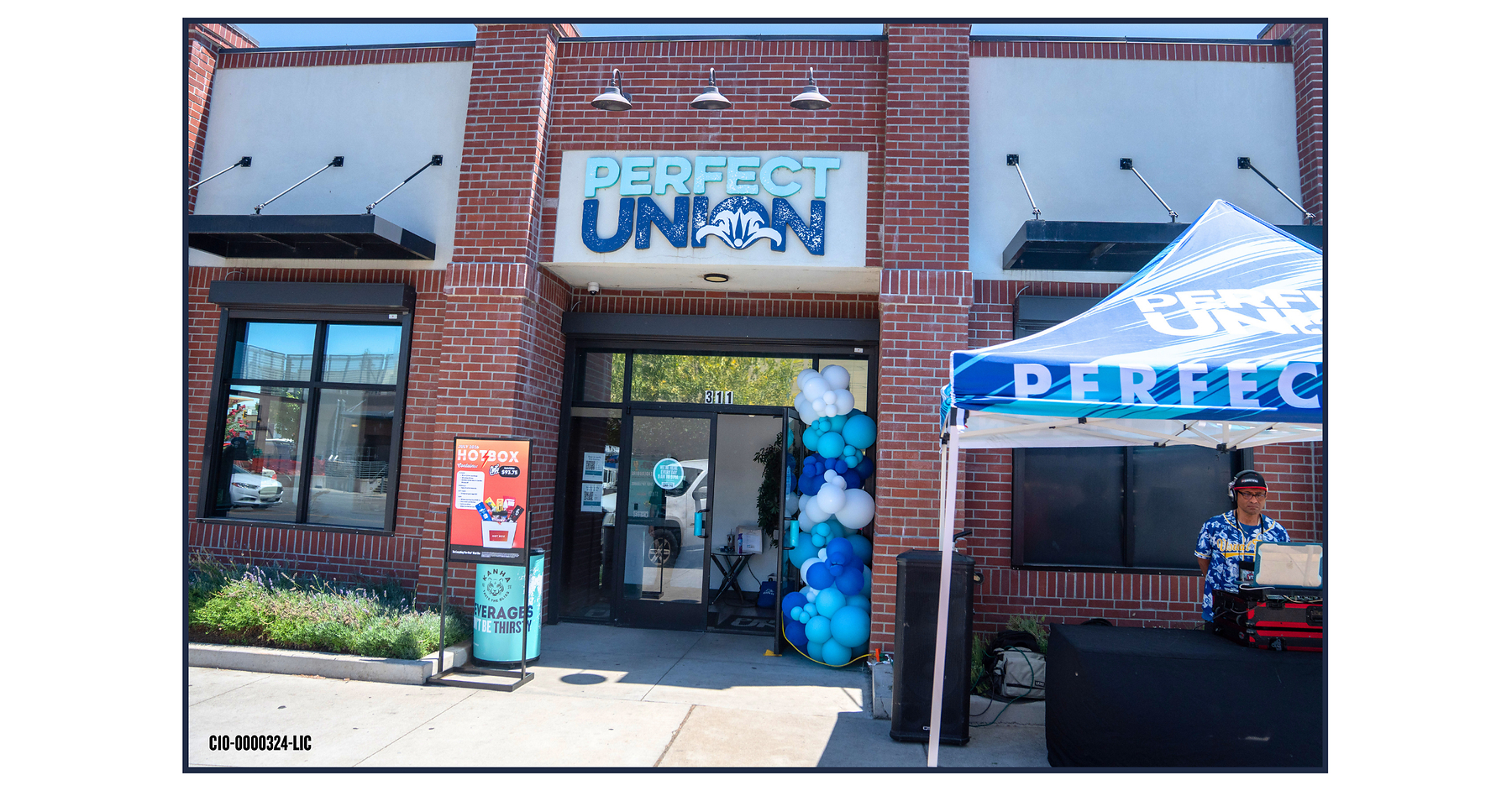
MWG Holdings reported strong July 10, 2026 “Oil Day” performance across its California retail portfolio, with net revenue up more than 61% YoY (vs. 54% last year), guest transactions up more than 53% YoY (vs. 47%), and units sold up more than 78% YoY (vs. 71%). The company also cited momentum from its April 20 “4/20” event, where owned stores posted YoY gains of more than 66% in net revenue and 88% in units sold. Management attributes results to a repeatable community-first marketing model while noting statewide cannabis tax receipts were roughly $248M in Q1 2026 vs. a revised $257.6M in Q4 2025 (about a 4% sequential decline).
MWG is signaling share gain in a category where demand is not the main constraint; execution is. The important read-through is that the company appears to be monetizing promotional traffic better than the average California operator, which matters because retail cannabis economics are dominated by fixed-cost absorption and basket expansion, not just top-line growth. If the traffic spike is repeatable, it can support operating leverage; if it is mostly promo-driven pull-forward, the benefit to EBITDA may be much smaller than the revenue headline implies.
The more interesting second-order effect is competitive pressure on smaller California retailers and local independents that cannot match event marketing, vendor funding, or in-store experience. That likely shifts share toward the best-capitalized chains while accelerating exits among weaker operators, but it can also intensify discounting and compress gross margin across the state. The statewide tax-revenue backdrop suggests the market is still fighting a sluggish legal-demand environment, so MWG’s outperformance may reflect share capture rather than a healthier category.
For risk, the key horizon is 1-3 months: next tax prints, comp-store cadence, and any management commentary on margin mix will tell us whether this is durable or just event math. Over 6-18 months, the real catalyst is whether MWG can convert marketing into new-store productivity without worsening promo intensity; if not, the model becomes easier to copy and less valuable. The contrarian view is that the market may be overestimating the durability of seasonal spikes in a heavily taxed category where consumers are price-sensitive and loyalty is fragile.
AI-powered research, real-time alerts, and portfolio analytics for institutional investors.
Request TrialOverall Sentiment
moderately positive
Sentiment Score
0.35
Ticker Sentiment
