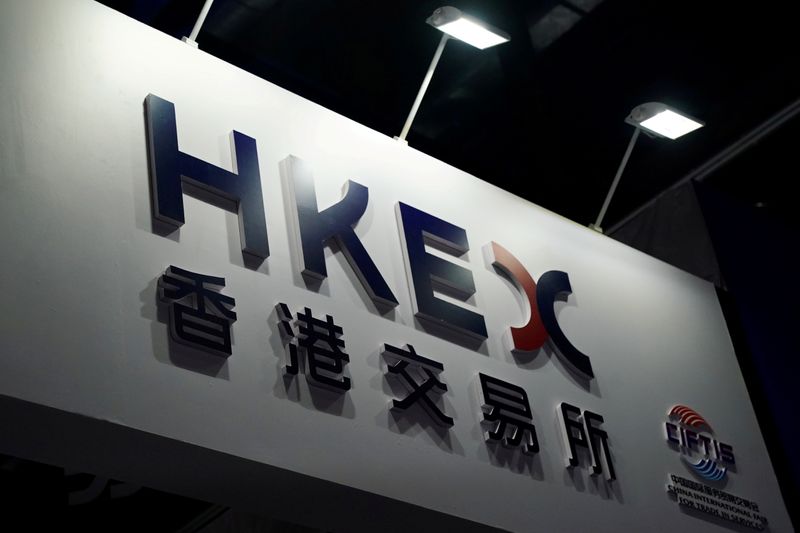
Hong Kong IPOs have raised over HK$140 billion ($17.9 billion) year to date, while average daily trading volume has topped HK$280 billion since last month, underscoring a strong capital-markets backdrop. The article also flags tighter regulatory scrutiny from Beijing and the SFC, including potential limits on some overseas-incorporated Chinese listings and warnings over filing quality. Separately, Golden Week is expected to bring nearly one million mainland visitors, up 7% year over year, supporting retail, hotel, and dining demand.
The cleaner read-through is not “Hong Kong is hot,” but that capital formation in Asia is being re-priced around compliance quality and distribution access. That tends to favor the platforms that monetize issuance activity indirectly: brokers, exchange-linked liquidity providers, market-makers, and the enablement stack around due diligence, legal, and post-listing trading. The first-order IPO headline can look broad-based, but second-order winners are the firms with recurring fee capture and balance sheet-light exposure, while lower-quality sponsors and marginal issuers face a higher rejection rate as regulators tighten the funnel.
For the named names, the stronger signal is not the Hong Kong tourism angle but the risk-on spillover into cyclical AI/compute beneficiaries if global risk appetite stays firm. SMCI remains a high-beta proxy for AI infrastructure spend; it benefits when investors rotate toward “capacity now” hardware stories, but it is also the first to get derated if capital markets enthusiasm cools or inventory scrutiny returns. APP is the cleaner momentum expression: if ad budgets and consumer engagement remain resilient, it can compound on operating leverage, but its multiple is sensitive to any slowdown in discretionary spending or a broader de-grossing event.
The contrarian risk is that this is a liquidity-fueled rally with a short half-life. If Beijing’s restrictions materially reduce the addressable IPO pipeline, the market could shift from volume growth to quality compression within 1-2 quarters, hurting exchange-linked beneficiaries even if headline fundraising stays strong. Meanwhile, a Golden Week boost is likely a one-off demand pop rather than evidence of durable consumption recovery; that matters because retail and leisure names can gap higher on the data and then mean-revert once travel normalizes.
From a positioning standpoint, the best risk/reward is to own the high-beta beneficiaries with defined downside, not the broad market beta. The trade should be framed as a 1-3 month momentum continuation trade, with tight risk controls around any policy surprise or a reversal in trading volumes; if daily turnover rolls over, the whole thesis loses its transmission mechanism.
AI-powered research, real-time alerts, and portfolio analytics for institutional investors.
Request DemoOverall Sentiment
mildly positive
Sentiment Score
0.35
Ticker Sentiment
