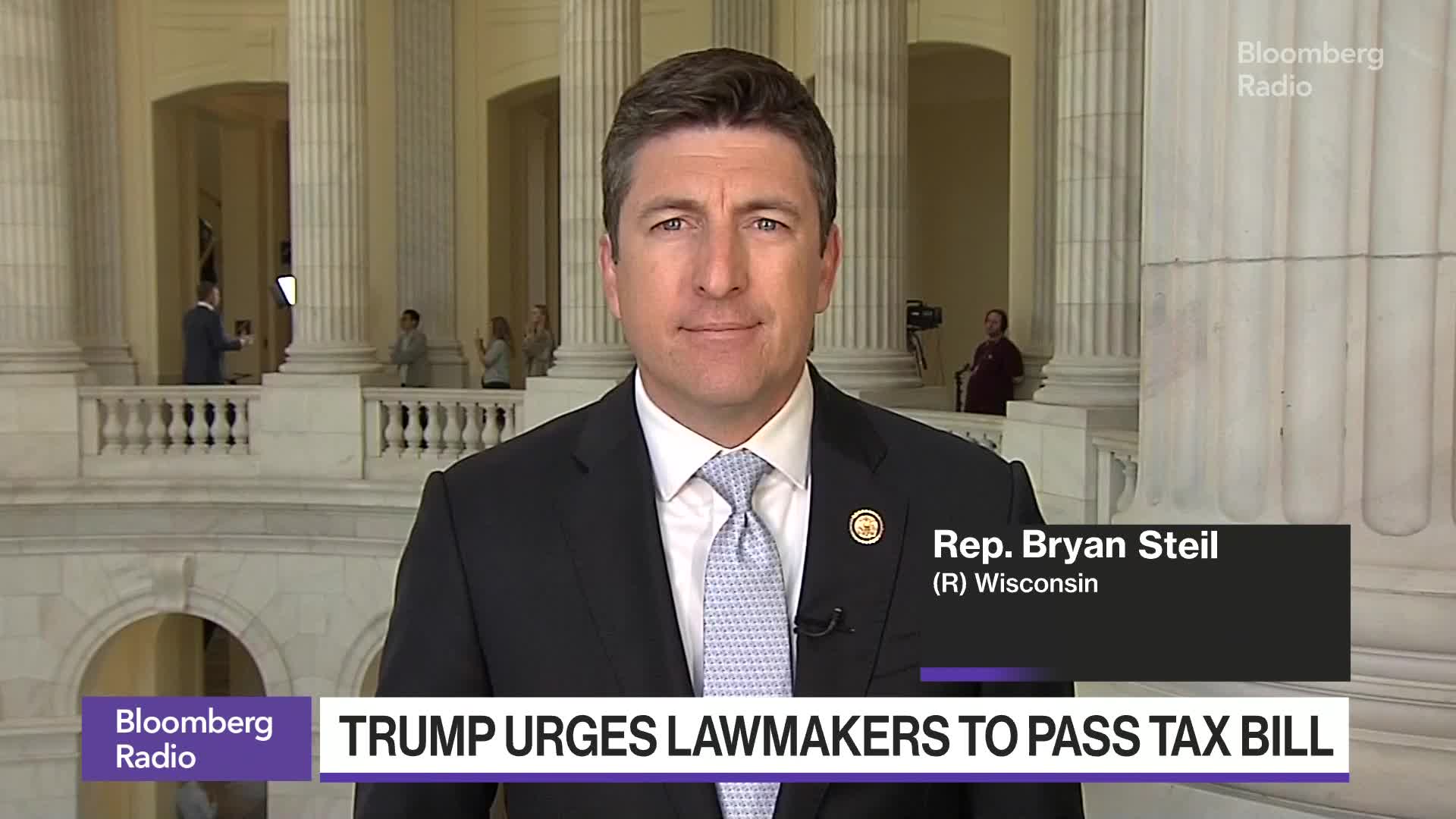
Republican Representative Bryan Steil has indicated the House may work through the holiday to pass 'Trump's massive tax-cut and spending bill' by a July 4 deadline. Steil, while favoring a reduction in state and local tax deductions, emphasized the necessity of compromise to ensure the passage of this significant fiscal legislation, underscoring the urgency for a major policy shift.
The U.S. House is signaling a heightened sense of urgency to advance a significant fiscal package, underscored by Republican Representative Bryan Steil's proposal to work through the holiday to meet a self-imposed July 4 deadline. The legislation, described as "Trump's massive tax-cut and spending bill," points to a potentially material shift in fiscal policy. However, the path to passage is contingent on political negotiation, as Rep. Steil explicitly noted that "compromise is necessary," particularly referencing the contentious state and local tax (SALT) deduction. The neutral sentiment and low market impact score (0.3) suggest that while this development warrants attention, the market has not yet priced in a specific outcome due to the inherent legislative uncertainty. The key takeaway is the potential for a major fiscal stimulus, tempered by significant political hurdles that must be overcome.
AI-powered research, real-time alerts, and portfolio analytics for institutional investors.
Request DemoOverall Sentiment
neutral
Sentiment Score
0.00
