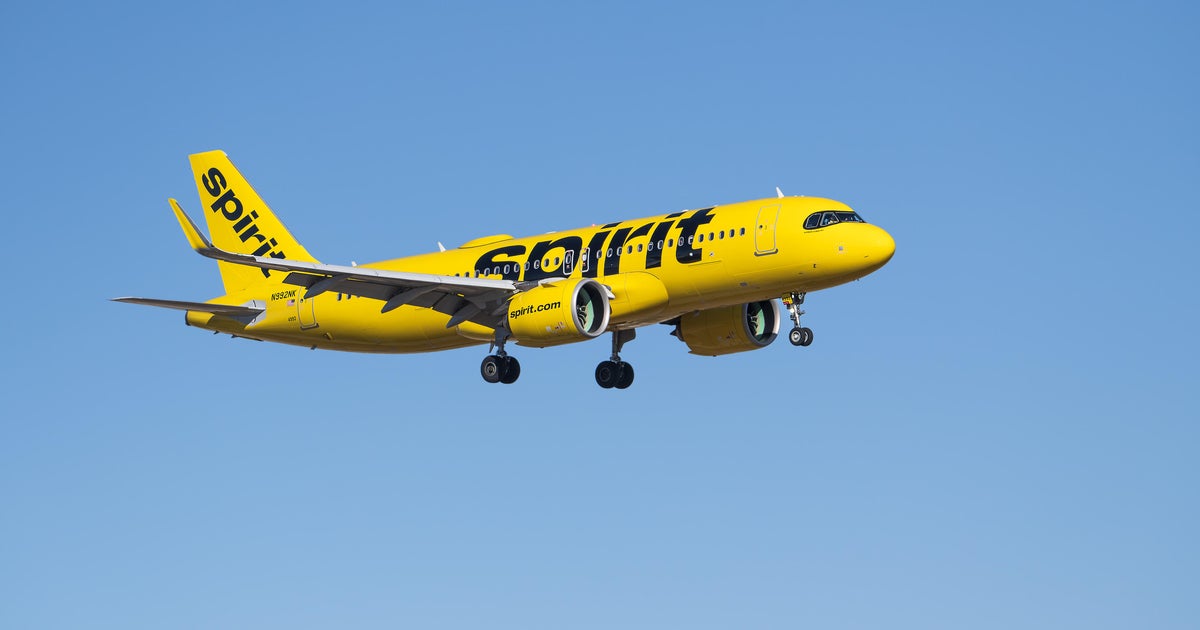
The Trump administration is in advanced talks to provide Spirit Airlines with a bailout that could include up to $500 million in loans, potentially in exchange for warrants giving the federal government a substantial ownership stake. The airline remains under pressure, with officials openly weighing whether rescue funding would preserve viability or simply delay liquidation. The outcome could affect fares in budget-airline markets, where prior ultra low cost carrier exits have been associated with average fare increases of 15.5%.
The market should treat this less as a one-off airline rescue and more as a potential precedent for selective state support in stressed sectors. If the government effectively backstops a marginal carrier, it lowers near-term bankruptcy probability but raises a moral-hazard overhang for the entire subscale travel complex: weaker pricing discipline, delayed capacity rationalization, and a higher odds of politically influenced intervention in future restructurings. The immediate winners are not just Spirit stakeholders but the large network carriers that would absorb displaced traffic and enjoy a cleaner fare environment if the bailout ultimately fails or proves insufficient.
The more interesting second-order effect is on pricing power. Ultra-low-cost capacity is a structural cap on fare inflation; if that capacity is preserved, legacy carriers lose the most attractive setup for yield expansion, especially on leisure-heavy short-haul routes where incremental seat supply matters more than brand loyalty. If the support is paired with warrants and operating restrictions, the upside for equity holders may still be poor because the government is effectively buying time, not fixing the unit-economics problem; that usually pushes the real volatility event out by months, not days.
Contrarian view: consensus will likely frame this as positive for Spirit and neutral elsewhere, but the larger read-through is that route-level fare normalization across competitors could be delayed or reversed. That is bearish for fare inflation-sensitive consumer demand and bullish for carriers with stronger balance sheets that can endure a prolonged price war; in other words, the best trade may be against the weakest balance-sheet airlines, not in favor of the rescued name. The key risk to that view is that a credible bailout removes liquidation risk quickly enough to prevent any industry-wide capacity tightening, which would keep fares under pressure but cap short-term contagion.
AI-powered research, real-time alerts, and portfolio analytics for institutional investors.
Request TrialOverall Sentiment
mildly negative
Sentiment Score
-0.35
