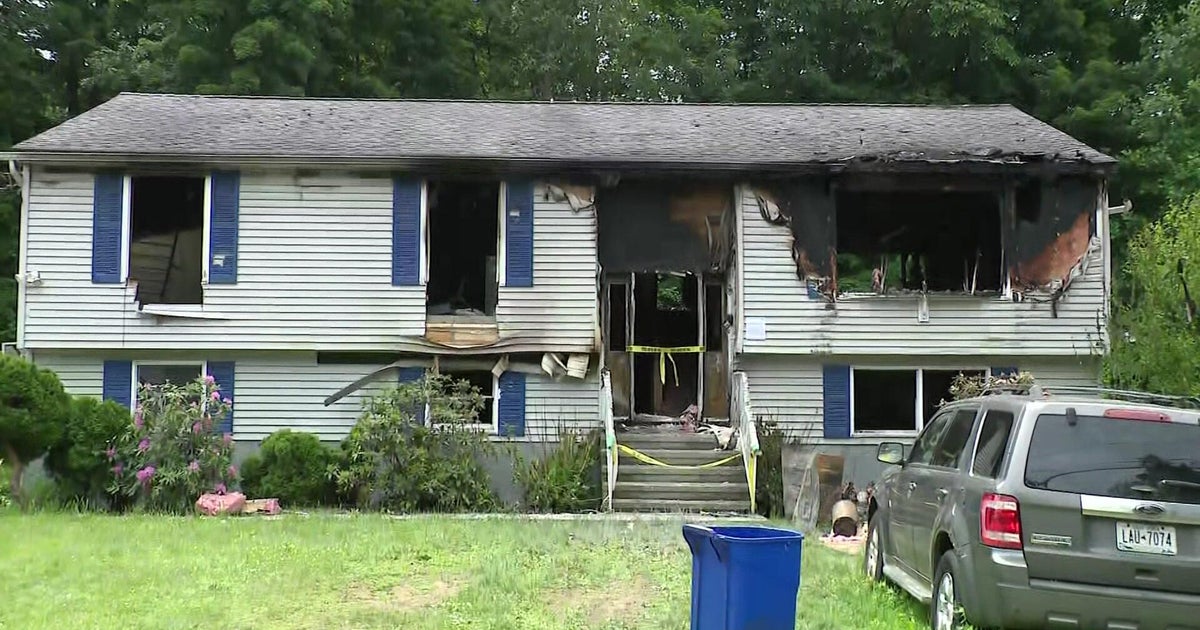
At least 16 students died and 79 others were injured in an overnight dormitory fire at Utumishi Girls School in Gilgil, Kenya. The cause has not been determined, and authorities said they will investigate whether the school's fire safety manual was followed. The government has declared three days of mourning, while the incident highlights recurring safety failures in Kenyan boarding schools.
This is less a market-wide macro shock than a concentrated governance and operational-risk event, but the second-order effects matter. Kenya’s boarding-school model is now facing a credibility crisis: expect a fast-cycle review of dormitory occupancy, egress standards, and electrical inspections across the country, which likely means higher compliance costs for private school operators and delayed enrollment decisions over the next few months. The immediate beneficiary is the formal safety-and-inspection ecosystem, not the education sector itself—firms tied to fire suppression, emergency lighting, and facility audits could see a temporary procurement bump.
The bigger medium-term effect is political. Because the school is police-sponsored and the victims are linked to state employees, pressure will shift from a one-off tragedy narrative to institutional accountability, which raises the odds of reactive regulation and enforcement sweeps. That is usually negative for operators with weak infrastructure but positive for the best-capitalized schools that can absorb retrofit costs and win share as families re-rate safety over tuition alone. In frontier markets, these episodes often widen the gap between compliant incumbents and underinvested challengers.
Contrarian read: the market may overprice a broad “education sector” impact when the real alpha is in adjacent safety-capex beneficiaries and in avoiding politically exposed operators with deferred maintenance. The main reversal catalyst is a rapid, visible government inspection campaign that restores confidence within weeks; absent that, the memory of prior incidents keeps the policy overhang alive for months. Tail risk is a larger nationwide school-audit mandate that forces emergency spending and temporary closures, which would hit school earnings before it helps them.
AI-powered research, real-time alerts, and portfolio analytics for institutional investors.
Request TrialOverall Sentiment
extremely negative
Sentiment Score
-0.95
