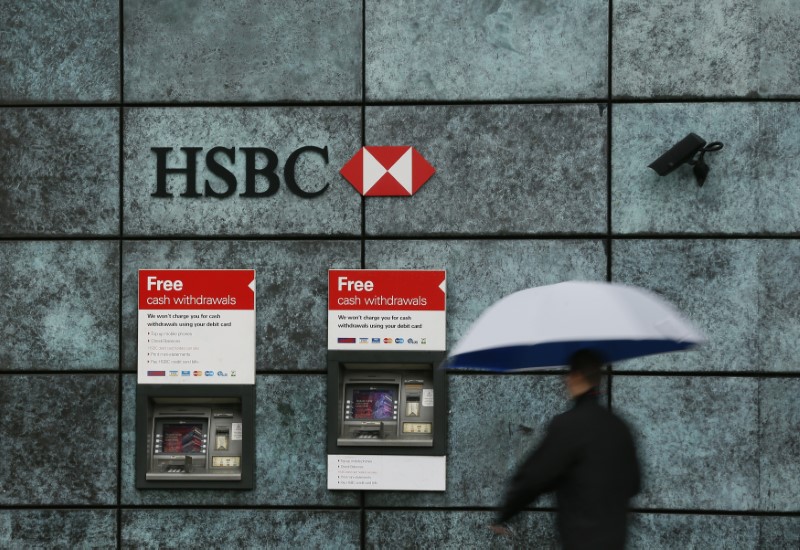
Citi reaffirmed an overweight stance on European banks, upgrading Lloyds to Buy and Deutsche Bank to Neutral/High Risk and naming HSBC, NatWest and SocGen as top picks. Citi notes sector EPS upgrades are +3% YTD, expects earnings upgrades after forward rates moved (now pointing to two ECB hikes this year vs. zero previously) and revised 2027 EPS estimates across names by -2% to +7%. The team highlights AI as a medium-term +2-4% PBT upside over three years, downplays private-credit risk (<2% of sector loans), and flags continued loan growth (mid-single digits in several markets) and potential M&A as catalysts.
Recent market dislocations have created selective, persistent mispricings inside European banking where funding and deposit franchise quality are under-appreciated. Retail-heavy franchises with sticky current accounts can convert a modest steepening in the curve into outsized NIM expansion—roughly 15–30bps of NIM uplift over 6–12 months for well-positioned UK/Spain domestic banks—while wholesale and trading-heavy banks see much more volatile episodic outcomes.
A second-order beneficiary set includes banks that act as fee-bearing intermediaries to private credit and fintech distribution networks: they can capture recurring origination and servicing fees even if direct loan exposure is limited, turning perceived private-credit competition into a new fee pool. Conversely, banks with concentrated legacy wholesale funding or large mark-to-market trading books are most exposed to episodic risk-off, because funding spreads and P&L volatility propagate faster than retail repricing benefits.
Key catalysts to watch are (1) short-term geopolitical risk that would reprice credit and flatten curves within days–weeks, (2) a policy surprise (ECB/BoE pause vs. hawkish) that flips deposit beta dynamics over 1–3 months, and (3) an acceleration of digital/AI-driven cost saves that materialize over 12–24 months — any of which can reverse current relative value in a single quarter. Position sizing should assume path-dependent outcomes: positive asymmetry if reforms/M&A and rate normalization persist, sharp downside if liquidity or macro stress returns.
AI-powered research, real-time alerts, and portfolio analytics for institutional investors.
Overall Sentiment
moderately positive
Sentiment Score
0.35
Ticker Sentiment
