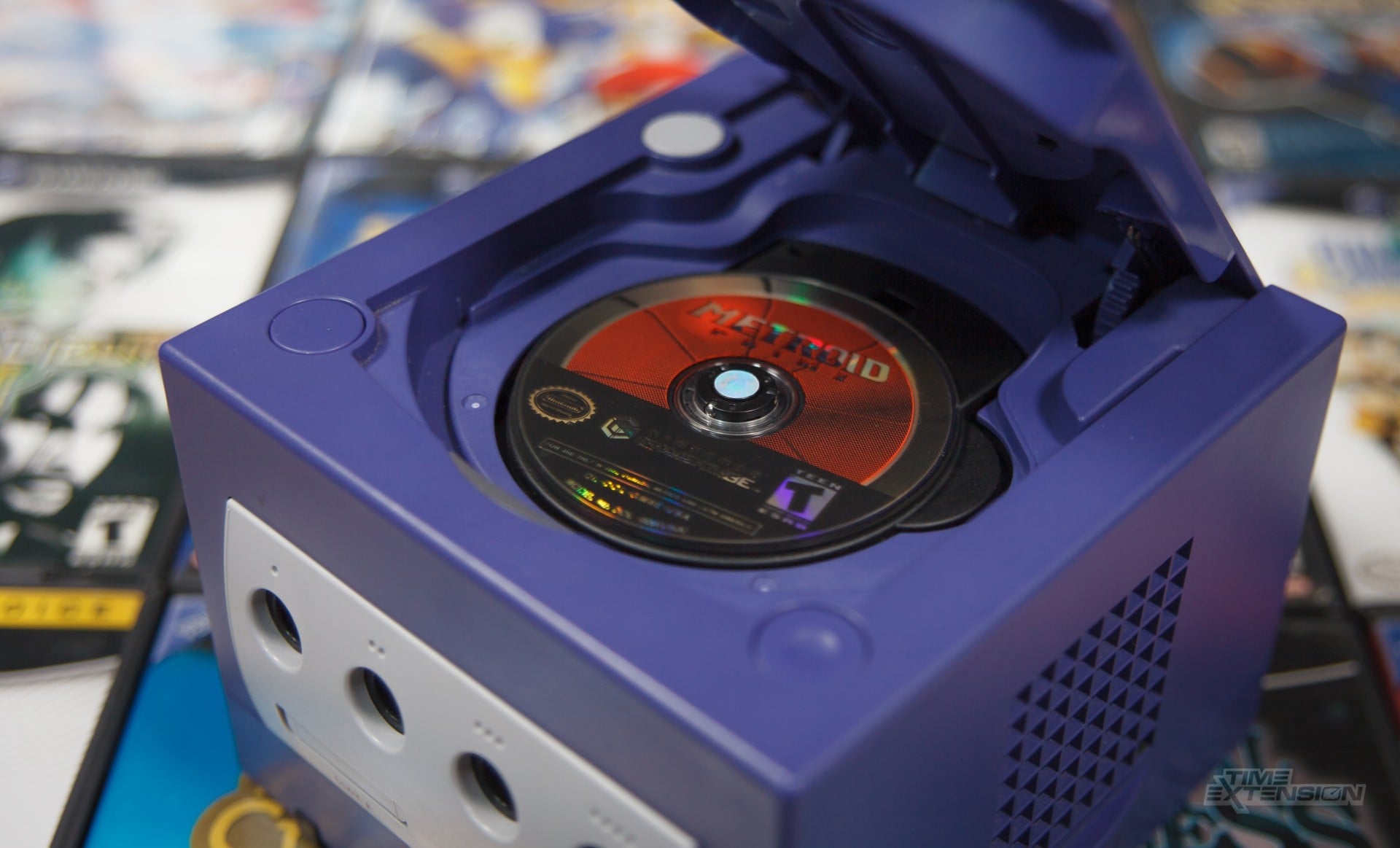
OmniDrive has been released as a firmware modification for compatible MediaTek MT1959-based Blu-ray drives, enabling legal ripping of classic console discs including GameCube, Wii, and Xbox 360 media. The tool also supports encrypted rips of PS3, PS4, PS5, Xbox Series, and Wii U discs, plus partial Dreamcast GD-ROM support. The news is primarily relevant to game preservation and PC drive compatibility rather than broad financial markets.
This is a small but meaningful shift in the economics of media preservation and console emulation. The first-order beneficiary is the long tail of enthusiast tooling: firmware modders, repair shops, retro hardware marketplaces, and emulation software ecosystems should see incremental demand as legal backup workflows become easier and less dependent on gray-market ripping methods. The second-order effect is not revenue displacement so much as demand reallocation: more users will keep older hardware, buy compatible optical drives, and spend on accessories rather than on replacement digital libraries.
The bigger implication is reputational and legal normalization. By making personal archival easier for aging disc formats, the tool strengthens the argument that ownership should include preservation rights, which could pressure platform holders over time to soften enforcement around interoperability and emulation-friendly behavior. That matters less in days and more over 6-24 months, especially if community adoption is broad enough to create a de facto standard for disc preservation across legacy consoles.
For incumbent game publishers and console makers, the direct financial impact is likely minimal, but the narrative impact is more interesting: it reinforces the separation between legacy physical ownership and active monetization of current-generation content. The contrarian view is that this may actually extend the lifespan of dormant IP by keeping retro communities engaged, which can support remasters, nostalgia-driven subscriptions, and museum-style licensing rather than cannibalize sales.
Tail risk is regulatory. If the tool becomes associated with broader anti-circumvention debates or large-scale infringement, vendors of compatible drives or firmware-adjacent hardware could face policy scrutiny, but that is a low-probability, slow-burn risk. Near term, the main catalyst is community uptake; if compatibility lists and success rates spread quickly, expect a step-up in demand for used Blu-Ray drives and a modest positive read-through for retro hardware specialists.
AI-powered research, real-time alerts, and portfolio analytics for institutional investors.
Request DemoOverall Sentiment
mildly positive
Sentiment Score
0.15
