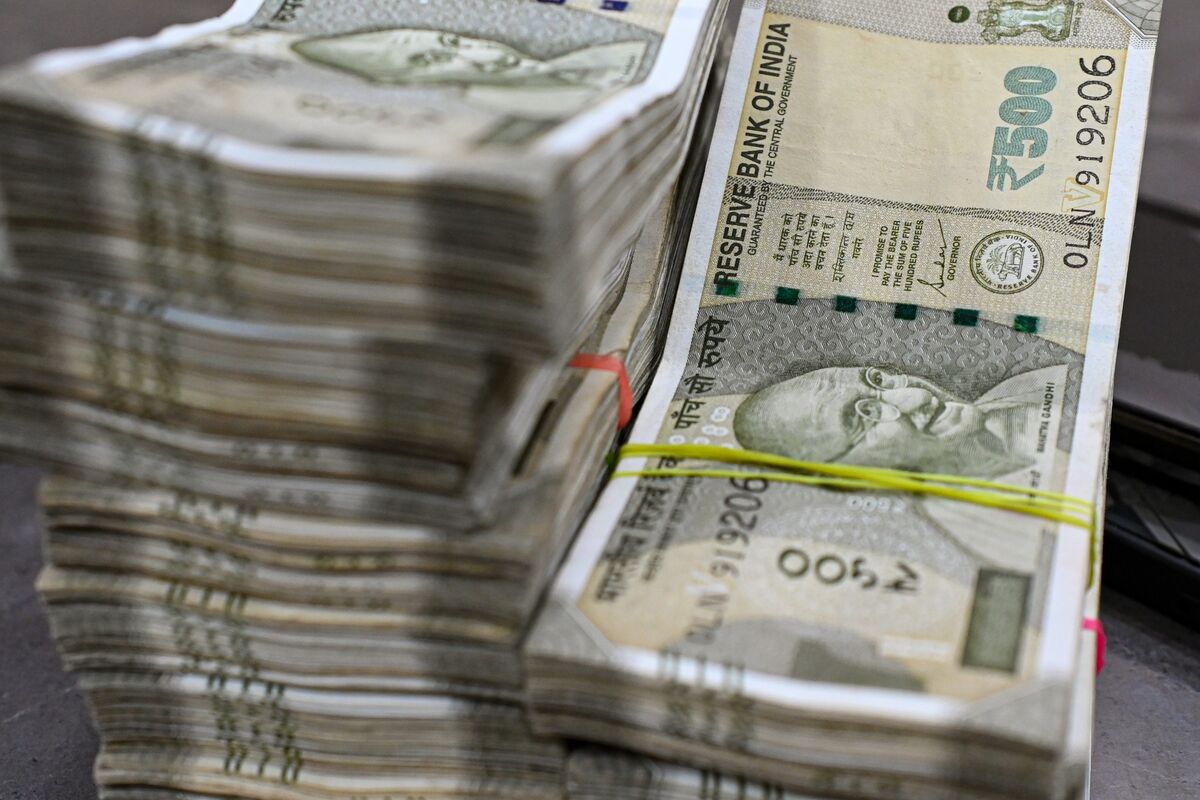
The Indian rupee rose as much as 0.5% to 92.7738 per dollar, making it Asia’s biggest gainer after reports that the central bank asked state-owned oil refiners to route dollar purchases through a special credit facility. The move suggests supportive liquidity management for FX demand and helped the currency outperform regional peers on Friday.
This is less a clean macro endorsement of INR and more a targeted liquidity intervention that changes the marginal buyer of dollars. By pushing oil import demand through a supervised credit channel, the central bank is likely compressing spot dollar demand, flattening intraday volatility, and forcing local banks to intermediate FX flow with tighter balance-sheet discipline. That tends to help the rupee in the very short term, but it also signals that authorities are prioritizing stability over price discovery, which can suppress one-way positioning and create a more fragile equilibrium.
The main second-order beneficiary is the domestic banking system’s liquidity plumbing, not the currency itself. State-linked refiners should see improved access to USD funding at the expense of private banks and offshore dollar liquidity providers, while any tightening in how oil payments are routed may marginally reduce near-term demand for onshore USD hedges. The loser set is subtle: FX forward sellers, carry traders leaning long USDINR, and any importer relying on the same window if the facility becomes a broader template.
The risk is that this is a flow fix, not a fundamental one. If crude rallies, payments widen, or the facility is perceived as a quasi-capital-control measure, the market could quickly reprice INR weaker once the initial squeeze fades; that’s a days-to-weeks reversal risk, not a years-long thesis. The bigger medium-term catalyst is whether this becomes recurring policy behavior, which would imply the RBI is less comfortable letting the currency absorb external shocks and more likely to defend a tighter trading range.
Consensus may be underestimating how much of the move is technical rather than directional. If realized volatility drops, USDINR implied vols should compress, making short gamma structures attractive even if the spot move stalls. The more interesting opportunity is to fade any overshoot in INR strength after the first wave of positioning relief, because a policy-mediated rally often runs ahead of sustainable reserve-flow support.
AI-powered research, real-time alerts, and portfolio analytics for institutional investors.
Request TrialOverall Sentiment
mildly positive
Sentiment Score
0.20
