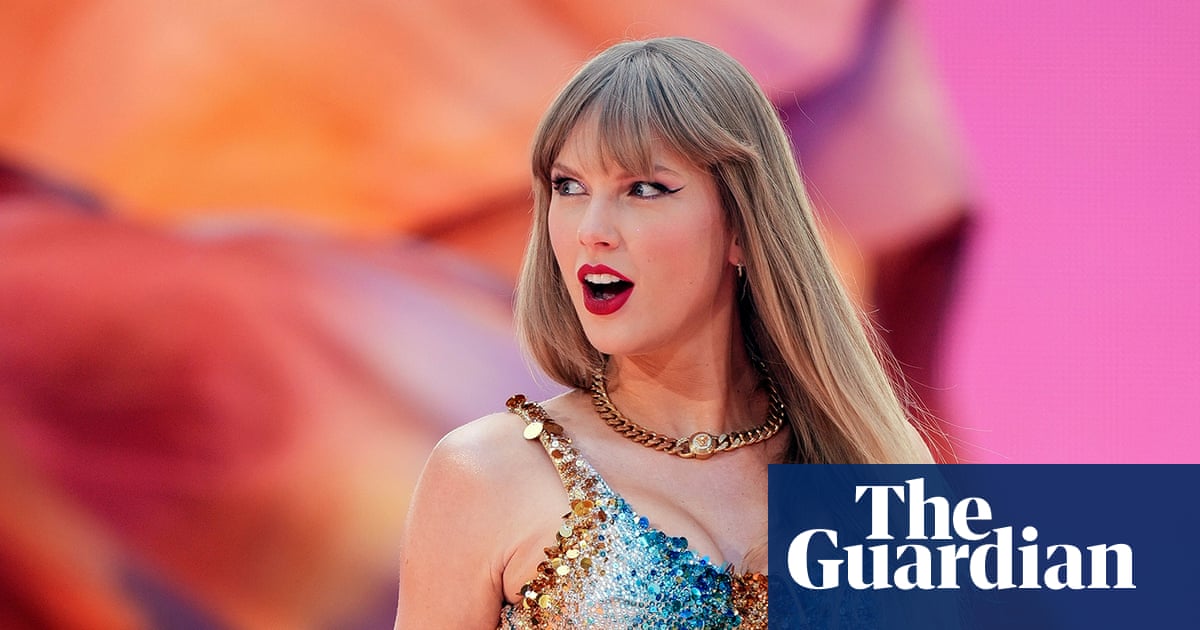
Taylor Swift’s company filed three trademark applications on April 24, including two sound marks for phrases she says and a trademark for a recognizable Eras Tour image, in an apparent effort to curb AI misuse and deepfakes. The move highlights emerging IP issues around AI-generated voice and likeness imitation, with legal experts noting this type of voice trademark has not been tested in court. The article is largely informational and is unlikely to have meaningful direct market impact.
This is less about celebrity branding and more about a legal architecture race around synthetic identity. If a high-profile artist can convert voice and image into trademark-enforceable assets, it creates a pathway for monetizing control over “likeness similarity” rather than only copying a fixed recording, which is where current IP regimes are weakest. The first-order beneficiary is the broader rights-enforcement stack: rights management firms, AI-fraud detection vendors, content verification tools, and platforms that can prove provenance at scale.
The second-order effect is asymmetric pressure on the AI content economy. Low-quality generators and adtech intermediaries that rely on celebrity lookalikes may see higher moderation and liability costs, but the bigger risk is precedent: once one top-tier talent successfully narrows the gray zone, agencies and estates will push for similar coverage, raising legal friction across music, film, and gaming. That shifts bargaining power toward IP owners and away from model builders who depend on training/output ambiguity as a moat.
The main catalyst path is judicial, not headline-driven: meaningful impact likely plays out over months to years as claims test whether trademark can extend into voice imitation and whether “confusingly similar” survives the AI context. Near term, the move could trigger copycat filings by other celebrity estates and increased platform takedown activity, but a court loss would quickly cap the thesis. The contrarian view is that this may be more signaling than monetizable enforcement; without platform cooperation and rapid identity verification, trademarking voice could become expensive theater rather than a durable moat.
AI-powered research, real-time alerts, and portfolio analytics for institutional investors.
Request DemoOverall Sentiment
neutral
Sentiment Score
0.05
