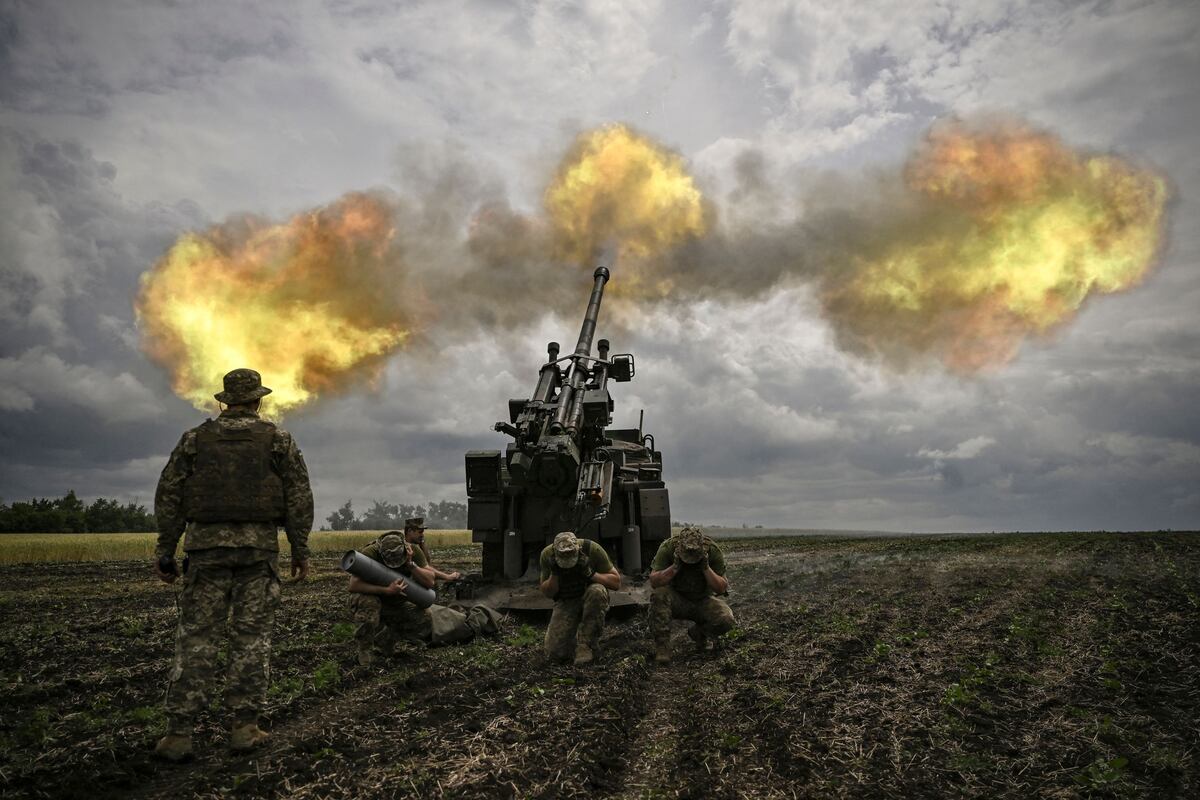
A revised 20-point peace framework would cap Ukraine’s armed forces at 800,000 — a 20% cut from roughly one million currently under arms (up from an initially proposed 600,000) — while leaving enforcement of any demilitarized zone and security guarantees undefined. Analysts warn the force cap, weak enforcement and potential easing of sanctions would structurally favor Russia and force Europe to shoulder long-term sustainment costs; Russia’s 2024 GDP is $2.17 trillion versus Ukraine’s $190.7 billion, and Moscow spent about 7.2% of GDP on defense in 2025. Market implications include sustained pressure on European fiscal balances, elevated defense- and energy-sector risk premia, and potential volatility around frozen Russian assets and future sanctions policy.
Market structure: A capped Ukrainian force + ambiguous enforcement shifts upside to defense, ISR, drone-electronics and cybersecurity suppliers while stressing European fiscal accounts and commodity flows. Expect incremental NATO/EU procurement uplifts of ~10–25% over 12–24 months, tighter global drone/munitions supply and sporadic oil/gas shocks that raise short-term commodity volatility by 5–20% on sanctioning/shipping disruptions.
Risk assessment: Tail risks include NATO entanglement or a major EU infrastructure strike (low-probability, high-impact) that would spike safe-haven assets and energy prices in days; conversely, a rapid sanctions rollback would depress defense and commodity risk premia over quarters. Key hidden dependencies are US Congressional timing and EU asset-unfreeze votes — both binary catalysts over the next 30–180 days that will change funding flows.
Trade implications: Tactical trades favor long mid/large-cap defense (ITA, LMT, RTX) and cybersecurity (CRWD/PANW) with oil directional exposure via 3-month WTI/XLE call spreads; hedge with 1–2% allocations to GLD and long-duration Treasuries (TLT) for tail risk. Rotation out of Europe cyclical banks/travel into defense/cyber is attractive over 3–12 months while keeping liquidity for event-driven rebalancing.
Contrarian angles: The consensus that a DMZ “freezes Russia’s gains” underprices the chance it forces permanent Western rearmament — creating multi-year demand for precision munitions, drones and electronic warfare. Historical paralells (Dayton vs Minsk) suggest a freeze often begets protracted procurement cycles, so value exists in defense suppliers under-owned by growth managers; unintended winners include semiconductor capital-equipment and niche avionics suppliers over 12–36 months.
AI-powered research, real-time alerts, and portfolio analytics for institutional investors.
Request DemoOverall Sentiment
strongly negative
Sentiment Score
-0.65
