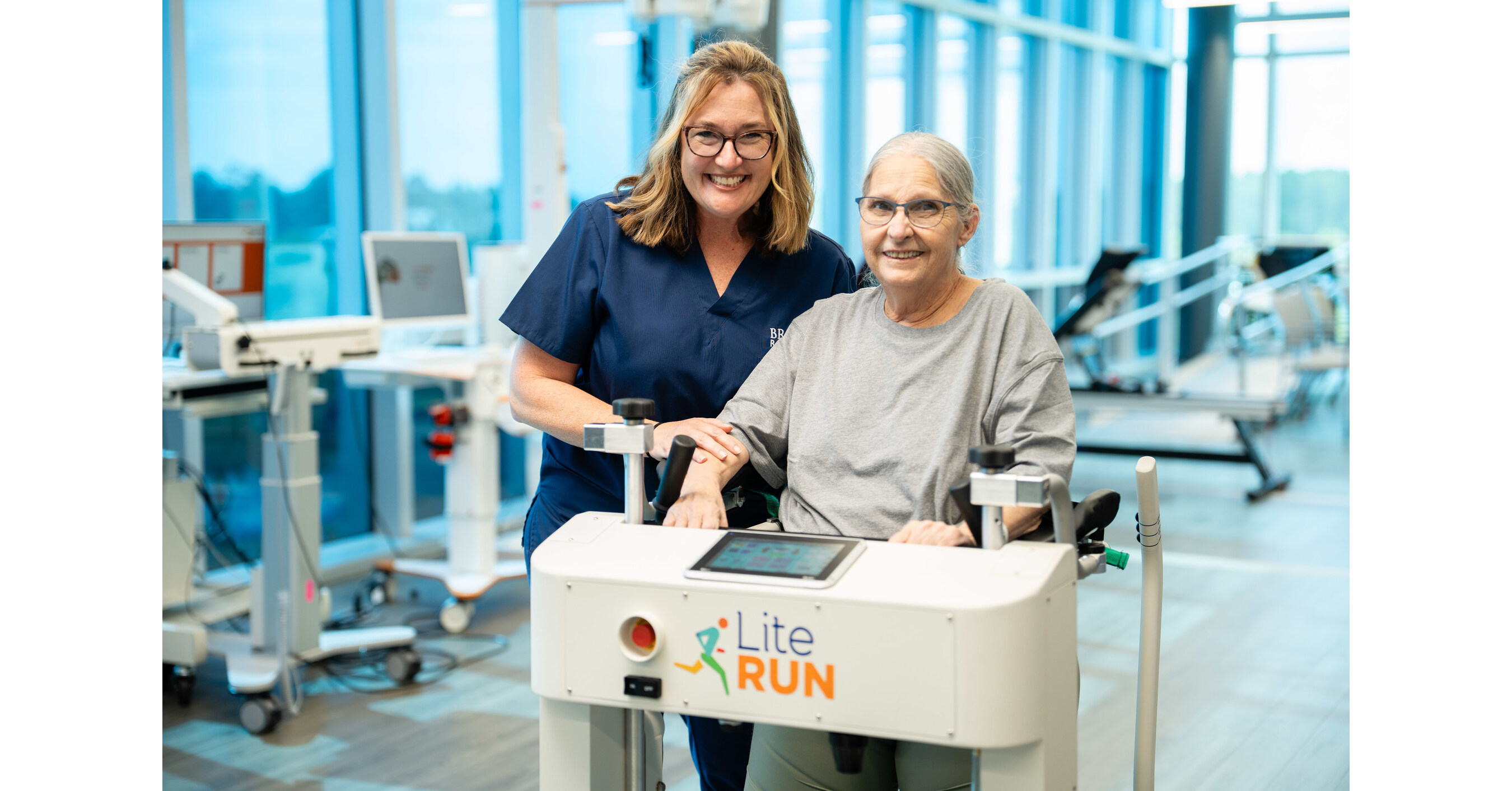
Brooks Rehabilitation will add Lite Run’s FDA-registered anti-gravity mobility technology to three initial devices, with deployments beginning at two Jacksonville hospitals and expanding to a new Phoenix hospital on the Mayo Clinic campus in 2026. The Lite Run Exosuit with low-pressure air technology offloads up to 150 pounds of body weight to help patients mobilize earlier with less staff assistance, targeting populations such as stroke, spinal cord injury, and traumatic brain injury. While this is a positive adoption of advanced clinical tech, the article provides no financial metrics, suggesting limited near-term market impact.
The economic signal here is not device revenue; it is whether a capital-light mobility tool can improve therapist productivity enough to matter under fixed reimbursement. If the platform really reduces hands-on minutes per patient or shaves length of stay, the first beneficiaries are rehab operators with tight labor markets and high occupancy — but only if they can backfill bed turns. That makes EHC and SEM the cleaner public proxies than the private vendor, because the margin lever sits in throughput and staffing, not hardware sales.
Second-order effects matter more than the installation count. If a top-tier rehab system validates earlier mobilization, that pressures competing inpatient rehab and post-acute providers to respond with similar tech or risk looking behind on quality metrics; it also creates a modest tailwind for adjacent rehab-tech names such as RWLK and EKSO if procurement teams start benchmarking against this category. The flip side is that any efficiency gains may be partly captured by payers unless providers can translate them into more admissions or better case mix.
The contrarian view is that consensus tends to overrate how quickly pilot technology becomes standard of care. Nonprofit, innovation-forward systems often adopt tools that never scale because ROI is hard to prove inside conservative capex committees and clinician workflows are sticky. The real catalyst over the next 1-3 quarters is follow-on orders or published outcomes; the thesis is falsified if adoption stays local or if staff-utilization data fails to improve versus baseline.
AI-powered research, real-time alerts, and portfolio analytics for institutional investors.
Overall Sentiment
mildly positive
Sentiment Score
0.25
