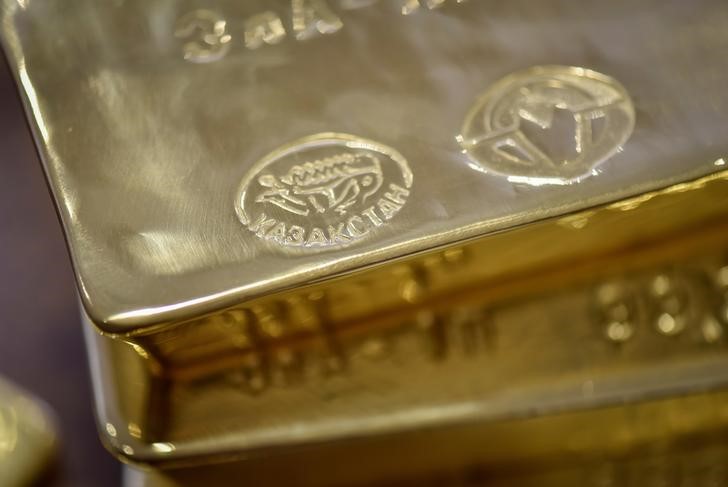
Gold prices steadied but remain pressured by a more hawkish Fed backdrop ahead of key U.S. labor data. Spot gold was up 0.3% to $4,043.23/oz (futures -0.7% to $4,054.67/oz), after a worst June quarter in 13 years and a slide below $4,000/oz. Fed Chair Kevin Warsh reiterated the commitment to the 2% inflation target, reinforcing expectations of at least one Fed rate hike in 2026 amid sticky inflation driven in part by high energy prices.
The market mechanism here is not gold itself; it is the re-pricing of discount rates after a hotter-for-longer macro regime. That is a headwind for APP and SMCI because both trade on forward multiple durability, so even a small move up in real yields can compress valuation faster than fundamentals change. The first-order move is usually a factor rotation out of long-duration growth and into cash-generative or rate-sensitive balance sheets, but that only sticks if the labor print confirms inflation persistence rather than a one-off energy base effect.
TGT is exposed on both sides: higher rates pressure discretionary demand, while sticky input costs make it harder to defend gross margin without losing traffic. OZK and CBSU are more nuanced winners/losers — higher short rates can help asset yields, but the second-order risk is deposit beta and eventual credit stress if consumers weaken into 1H26. In other words, the bank trade only works if the curve stays elevated without a growth scare; otherwise higher-for-longer quickly turns into higher-for-bad.
The contrarian setup is that consensus may be overconfident in a sustained hawkish repricing after a few strong data points. If payrolls or inflation cool over the next 1-2 releases, the crowded short in high-multiple AI names can reverse violently because positioning is already extended and duration exposure is concentrated. That makes the near-term catalyst window days-to-weeks, not months: the data print matters more than the macro narrative unless yields break materially higher.
On balance, this is a tactical trim-the-riskiest-beta environment, not a broad risk-off call. The cleanest relative expression is short high-duration AI vs. a more insulated lender, with TGT as the weaker consumer proxy if rates stay sticky through quarter-end.
AI-powered research, real-time alerts, and portfolio analytics for institutional investors.
Request DemoOverall Sentiment
mildly negative
Sentiment Score
-0.35
Ticker Sentiment
