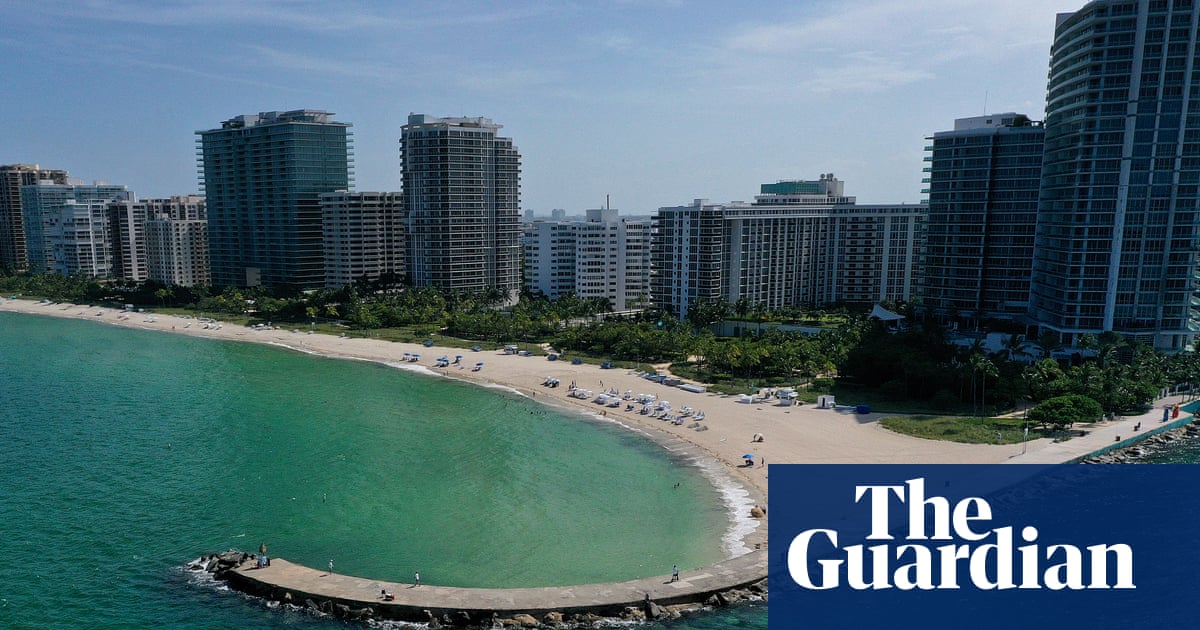
At least 11 people were hospitalized after a suspected boat explosion at Miami's Haulover Sandbar, with reports of burns and traumatic injuries. The blast occurred on a charter boat carrying about 14 people, and Florida fish and wildlife officials are investigating the cause. The incident is negative for local boating and tourism activity, but the broader market impact is likely limited.
This is a localized but asymmetric negative event for the leisure/charter ecosystem: the direct economic damage is small, but the reputational overhang can last weeks because the product being sold is discretionary, social, and safety-sensitive. Expect the first-order hit to be concentrated in nearby charter operators, marina services, and any consumer-facing operators that rely on spontaneous bookings around Miami beach traffic; the second-order winner is likely larger, better-capitalized operators with stronger safety protocols and brand trust, who can absorb share if consumers become more selective.
The more important read-through is on liability and operating costs. A single high-profile incident like this can force insurers, brokers, and local operators to reprice risk, tightening coverage terms and deductibles over the next renewal cycle; that matters more than any one-day demand dip. If investigators point to maintenance, operator negligence, or equipment failure, the legal tail can extend for months and spill into broader maritime insurance sentiment, especially for small-cap leisure fleets and rental/charter aggregators.
The market is likely to overreact in the very short term if it starts extrapolating this into a broad Florida tourism problem. That would create a contrarian opportunity in the larger travel complex if booking data and airport/TSA throughput remain intact; the real exposure is microcap/asset-light operators with visible local concentration, not the entire leisure basket. For the next 1-4 weeks, the catalyst path is investigation headlines and any civil claims; over 3-6 months, insurance renewal commentary will matter more than the incident itself.
A more subtle angle is competitive differentiation: operators that can prove higher safety standards may see a modest demand transfer, especially in premium charters and private excursions. That favors firms with stronger compliance cultures and recurring customer relationships over price-led operators, and it could widen the moat for the largest platforms if the event raises buyer sensitivity to perceived risk.
AI-powered research, real-time alerts, and portfolio analytics for institutional investors.
Request DemoOverall Sentiment
strongly negative
Sentiment Score
-0.60
