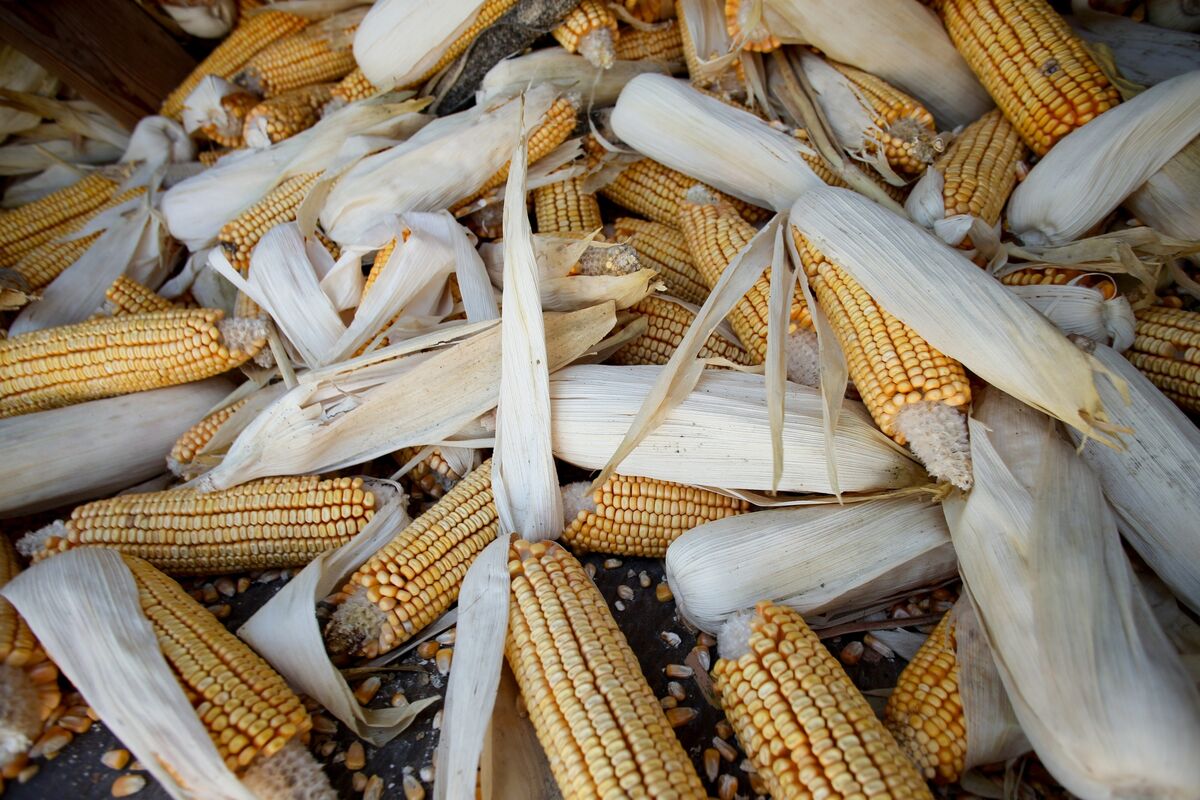
Thailand will ban imports of animal-feed corn produced from agricultural burning, effective January 1, requiring feed mills to provide proof of burn-free origins. This policy is intended to curb cross-border pollution and is anticipated to facilitate increased corn purchases from alternative sources, particularly the United States, signaling a notable shift in Thailand's agricultural import strategy and supply chain requirements.
Thailand is implementing a significant regulatory shift in its agricultural supply chain, effective January 1, by banning imports of animal-feed corn sourced from agricultural burning. This policy, confirmed by the Department of Foreign Trade, mandates that feed mills provide proof of burn-free origins for all corn imports. The primary driver is environmental, aimed at curbing cross-border pollution, which aligns this trade policy with broader ESG objectives. The most direct commercial consequence is a potential pivot in Thailand's sourcing strategy, as the article explicitly notes the move is expected to facilitate increased purchases from the United States. This will likely disrupt existing supply chains for suppliers who utilize slash-and-burn agriculture while creating a new, regulated market for suppliers who can meet the burn-free certification requirement, potentially creating a premium for compliant corn.
AI-powered research, real-time alerts, and portfolio analytics for institutional investors.
Request DemoOverall Sentiment
moderately positive
Sentiment Score
0.40
