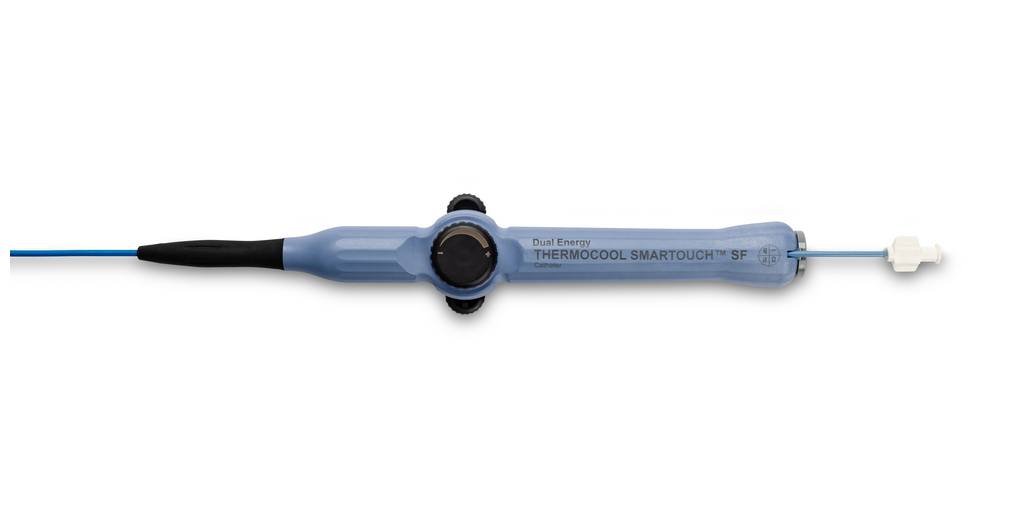
Johnson & Johnson said the FDA approved its Dual Energy THERMOCOOL SMARTTOUCH SF Platform, enabling electrophysiologists to deliver both pulsed field (PF) and radiofrequency (RF) energy via a single catheter. The platform is integrated with the CARTO mapping ecosystem and is expected to begin first U.S. procedures this summer under a phased commercial rollout. The approval follows successful European introduction and supports J&J’s continued momentum in electrophysiology innovation.
This is better read as an installed-base defense event than a near-term earnings driver. The economic value sits in keeping electrophysiology labs inside the JNJ/CARTO workflow, which matters because ablation purchasing is increasingly platform-driven; once a hospital standardizes on mapping + catheter + training, switching costs rise and consumables follow. The first-order upside is modest, but the second-order effect is a lower churn risk versus standalone PFA entrants and a stronger position in complex cases where physicians want one system that can flex between energy types.
The competitive read-through is most relevant for BSX and, to a lesser degree, MDT and ABT: if JNJ can credibly bundle dual-energy capability into CARTO, it can slow the “one-product-wins-all” narrative in PFA and preserve pricing discipline. That said, this does not automatically translate into faster category growth; if adoption stalls, the market may conclude the product is a defensive line extension rather than a step-change platform, which caps multiple expansion for JNJ MedTech.
Catalyst path is mostly 1-3 months: early U.S. case volume, physician feedback, and any commentary on procedure times/conversion rates will matter more than the approval itself. The contrarian risk is that complexity becomes a liability: if dual-energy workflow is harder to scale than dedicated PFA, hospitals may prefer simpler systems, especially where utilization is low. Over 6-18 months, watch for whether this expands share in persistent AF/complex anatomies or just protects existing share; that distinction determines whether this is a margin-supportive franchise upgrade or just a modest retention tool.
AI-powered research, real-time alerts, and portfolio analytics for institutional investors.
Overall Sentiment
moderately positive
Sentiment Score
0.45
Ticker Sentiment
