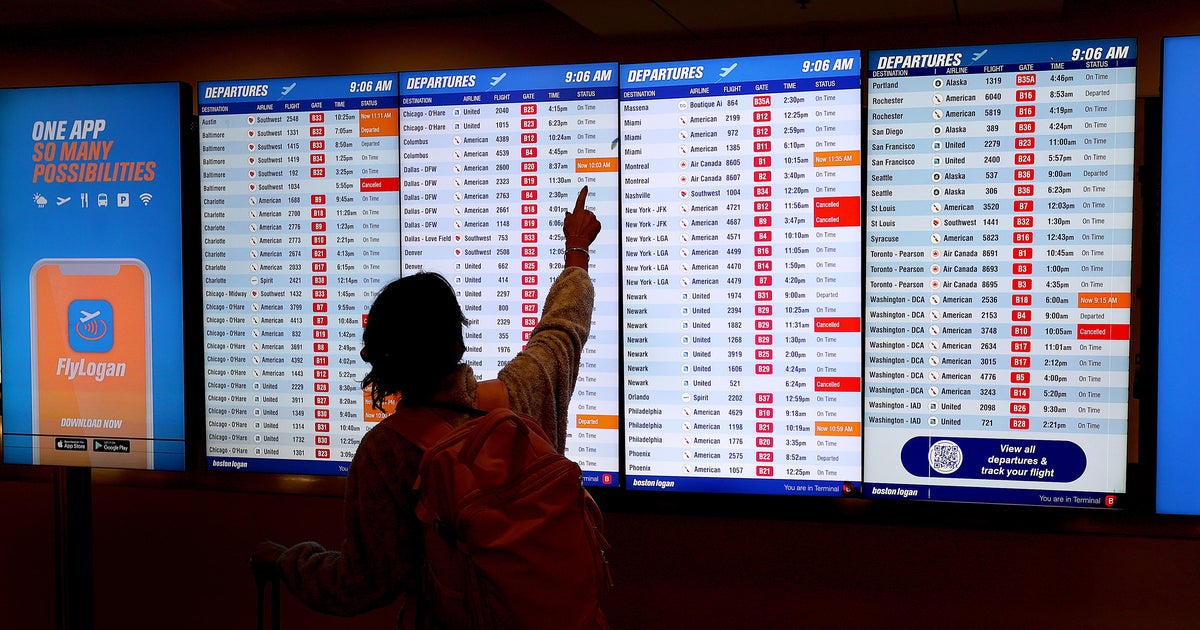
A Midwest/Great Lakes winter storm combined with an FAA-mandated software update for thousands of Airbus A320-family aircraft disrupted U.S. holiday travel, producing 1,815 inbound/outbound delays and 490 cancellations on Sunday and more than 1,400 cancellations at Chicago airports by Saturday night. JetBlue canceled roughly 74 flights (about 7% of its Sunday schedule) while installing software on roughly 120 A320/A321 aircraft (with ~30 still remaining); Frontier and Spirit also reported affected aircraft, creating short-term operational risk and potential revenue/cost pressure for carriers during a peak travel period.
Market structure: Weather + an FAA-mandated A320 software update is a double shock that asymmetrically hurts A320‑heavy, low‑margin carriers (JBLU, SAVE, ULCCs) and benefits larger, fleet‑diverse incumbents (AAL, DAL, UAL) that can reallocate capacity. JetBlue’s ~7% schedule cancellation on a peak travel day implies a near‑term capacity hit that can depress Q4 revenue by low single digits for affected carriers if disruptions persist >1 week; fare elasticity on popular routes could allow legacy carriers to capture pricing power in the short run.
Risk assessment: Tail risk is a >72‑hour phased grounding or expanded FAA directive — that scenario could crystallize mid/high single‑digit quarterly revenue hits, regulatory fines, and increased capital spending on retrofits for operators (order book/margin pressure). Hidden dependencies include interline agreements, airport ground staffing and hotel/car rental knock‑on demand; catalyst monitoring should focus on FAA bulletins and weather models over the next 7–30 days.
Trade implications: Expect elevated idiosyncratic volatility in small carriers for 2–6 weeks and opportunities in MRO/parts suppliers (AAR AIR, HEI) as aftermarket demand jumps; relative trades (long large carrier, short A320‑concentrated carrier) should perform if updates complete unevenly. Options volatility will peak around FAA windows — use short‑dated directional and calendar spreads to exploit spikes while capping capital at 1–3% of portfolio per trade.
Contrarian angle: The market will likely over‑price permanent demand loss; travel fundamentals remain intact and once software installs approach ~>95% completion (a binary catalyst) many beaten‑down small carriers should rebound. Monitor technical thresholds: if JBLU or SAVE drop >15% on headlines absent extended groundings, that could be a tactical long entry for a 3–6 month recovery trade.
AI-powered research, real-time alerts, and portfolio analytics for institutional investors.
Request DemoOverall Sentiment
mildly negative
Sentiment Score
-0.35
