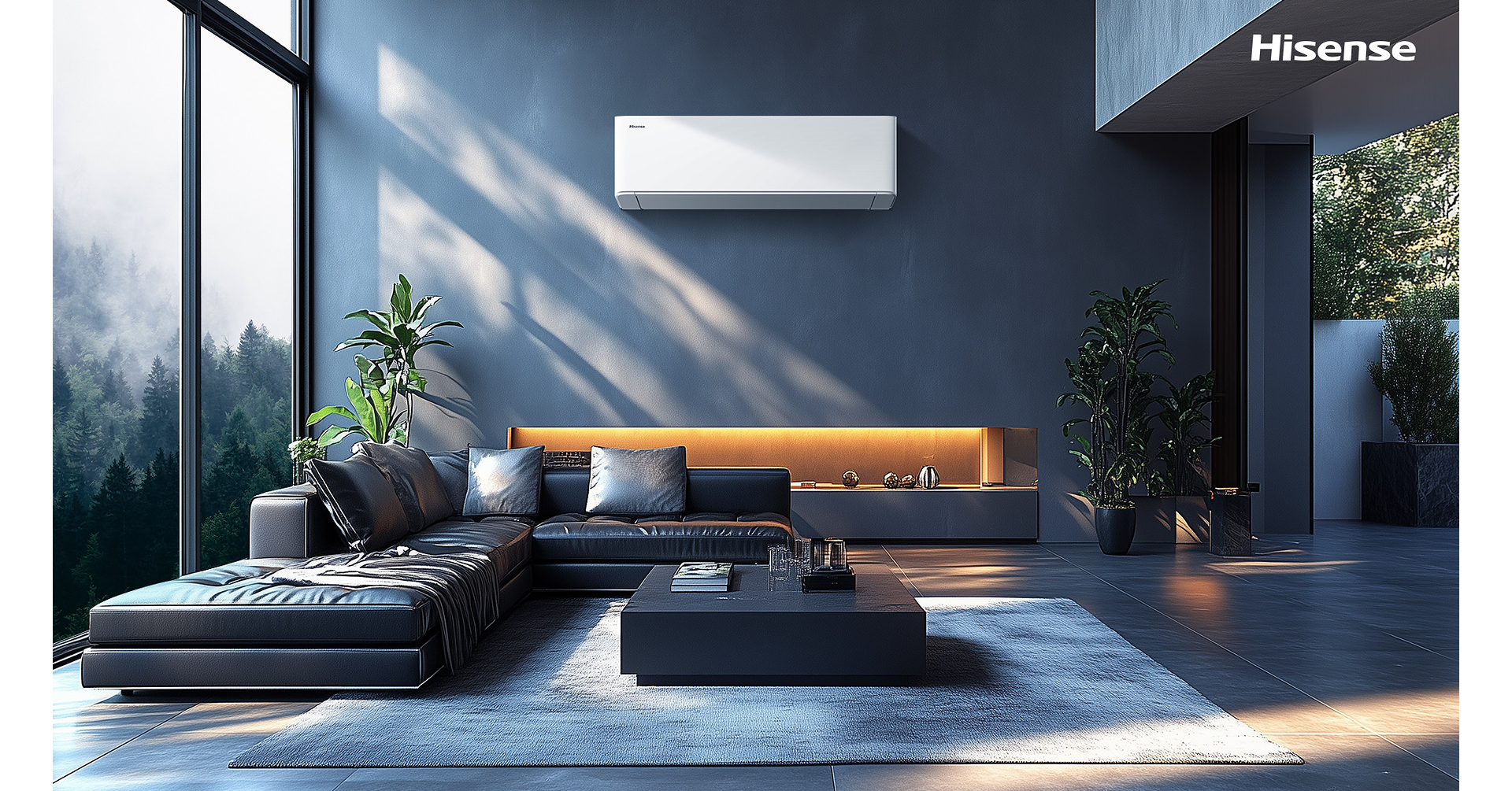
Hisense reports accelerating Western Europe AC demand in H1 2026: sales are up nearly 20% year over year, while France grows by more than 100%, indicating strong consumer uptake for easier-to-install, energy-efficient cooling. The company highlights new models (Uni modular “Easy Installation Pro” reducing install effort and up to 60% faster maintenance) with A+++ cooling (and heating) efficiency and low noise (18 dB) features. Overall, the article signals modestly positive momentum for Hisense’s HVAC portfolio driven by product usability and efficiency benefits.
The investable read is not Hisense itself but the signal that European AC demand is shifting from discretionary replacement toward a convenience-and-installation-led adoption curve. That matters because the economics are no longer just unit growth; brands that reduce install friction and maintenance cost can expand the addressable market in apartments and older housing stock, which is where penetration has been structurally constrained. In that setup, premium manufacturers with strong distributor relationships and efficient compressors can take share without needing broad macro uplift.
The second-order loser set is more interesting than the obvious appliance incumbents: local installers and small distributors face margin compression as products become easier to self-sell and faster to install, while low-end importers may lose pricing power if A+++ efficiency becomes table stakes rather than a premium. Over 1-3 months, the trade is mostly a channel-check story; over 6-18 months, if summer heat anomalies keep recurring, the market can start underwriting a permanent step-up in European AC penetration, which benefits the whole category but disproportionately rewards brands with brand trust and service depth.
The consensus risk is that this is being dismissed as a weather-driven press cycle. If sell-through stays elevated after peak summer or if energy costs remain high, the demand elasticity argument strengthens; if inventory builds or rebates rise, it was probably promotion-led share capture, not durable mix shift. The clean falsifier is a flattening of European AC comps into autumn and any evidence that Hisense’s gains are coming at the cost of margin rather than sustainable retail pull.
AI-powered research, real-time alerts, and portfolio analytics for institutional investors.
Request DemoOverall Sentiment
mildly positive
Sentiment Score
0.25
