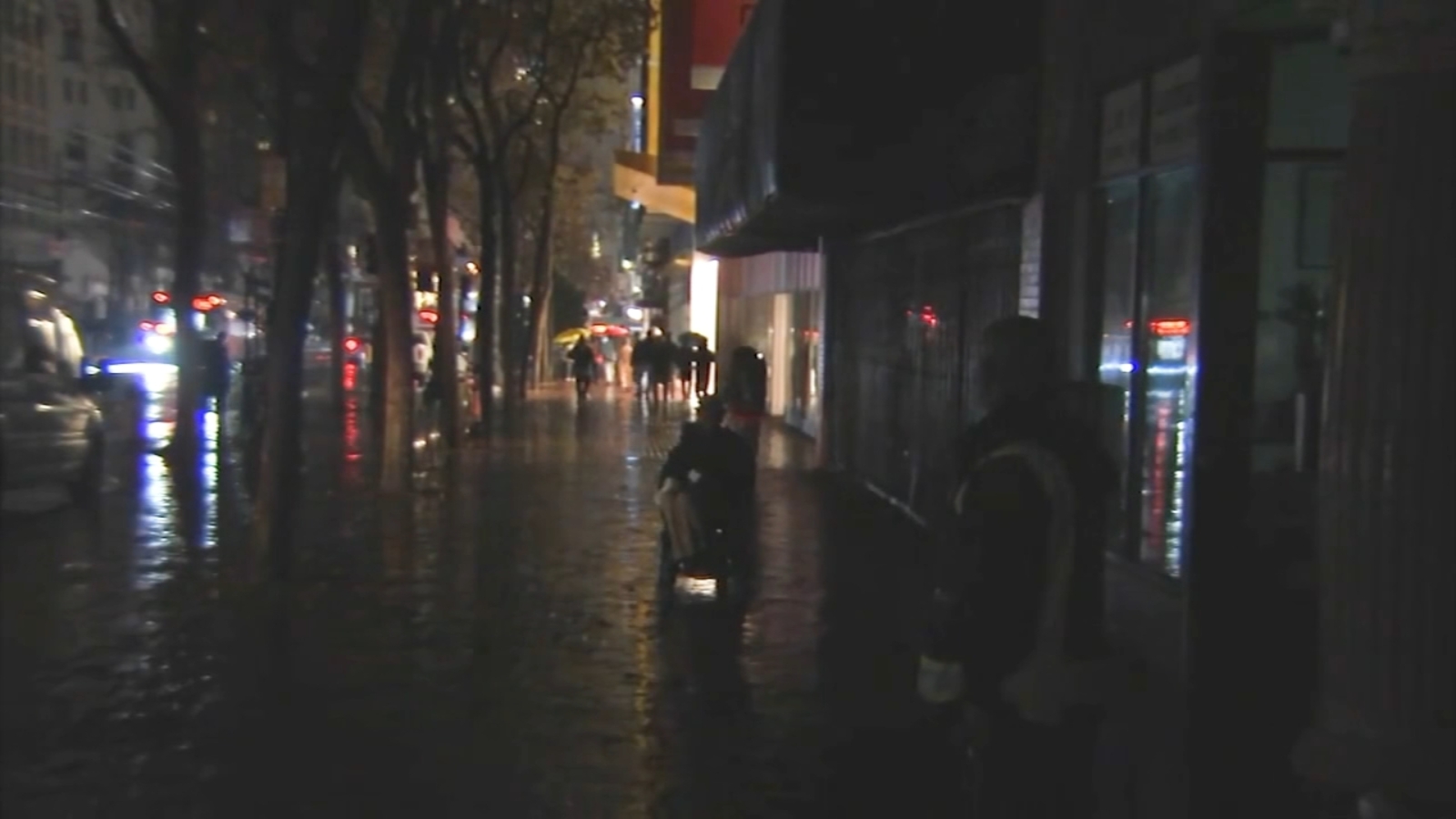
A new Exponent report says the December 20 San Francisco blackout that hit 120,000 PG&E customers was triggered by an arc-flash event and fire at Mission Substation, likely caused by moisture and surface contamination. The report also found prior damage noted in November and ventilation filters in poor condition, raising questions about maintenance and controls. PG&E says it took corrective actions and is using the findings to improve reliability, but the incident adds operational and litigation risk.
This is a reputational and liability event for PG&E, but the second-order market effect is that it raises the probability of a slower, more expensive hardening cycle across the Bay Area grid. The important nuance is that the near-term equity impact is probably not from a one-off outage, but from the higher recurring spend required to prove process control: humidity remediation, ventilation retrofits, switchgear replacement cadence, and inspection/documentation intensity. That supports contractors, engineering services, and selective electrical equipment vendors more than it supports regulated utility valuation multiples.
For the utility ecosystem, the incident is a reminder that aging distribution infrastructure is only part of the issue; environmental control failures inside critical substations can create tail risk even in non-wildfire conditions. That expands the addressable spend pool beyond transmission into building systems, sensors, filters, enclosures, and condition-monitoring software. If PG&E responds aggressively, the fix cycle should show up over quarters rather than days, which is more favorable for firms selling preventive maintenance and reliability upgrades than for the utility itself.
The litigation angle is likely to linger longer than the operational headline. Small-business claims are the more politically potent exposure because they create a visible constituency for tariff pressure, penalties, or mandated service credits, which can indirectly weigh on PG&E’s rate base discussions. The counterpoint is that a transparent root-cause report reduces the chance of a broad punitive overhang if the utility can demonstrate remediation; that may cap downside in the stock unless there is another event within the next 6-12 months.
Consensus may be overestimating how much this changes the utility’s fundamental trajectory and underestimating how it reallocates capex toward resilience. The trade is not to short the whole regulated-utility complex, but to express a relative view that reliability spend and forensic remediation benefit infrastructure providers more than they hurt a monopoly utility with eventual rate recovery. Any repeat incident within one storm season would be the real catalyst for a sharper de-rating, because then the narrative shifts from maintenance lapse to systemic control failure.
AI-powered research, real-time alerts, and portfolio analytics for institutional investors.
Request DemoOverall Sentiment
mildly negative
Sentiment Score
-0.25
Ticker Sentiment
