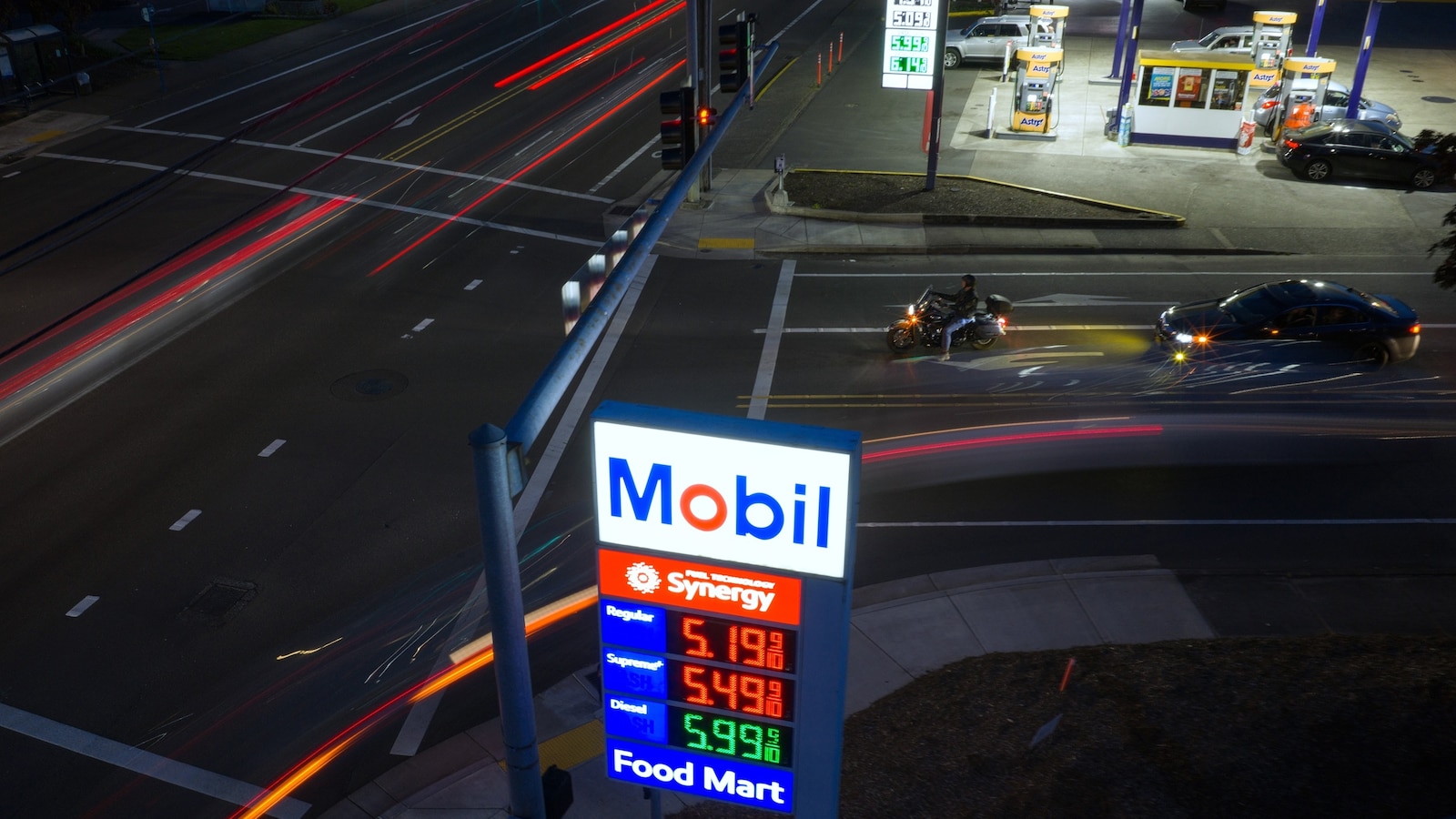
The ABC/Washington Post/Ipsos poll shows broad public concern around the U.S.-Israeli conflict with Iran: 61% say using military force was a mistake, 76% had a negative reaction to Trump’s Iran threat post, and 52% say Israel had too much influence on the decision to strike Iran. On the economic side, 50% expect gas prices to rise over the next year, 40% say they are worse off than when Trump returned to office, and 23% say they are falling behind financially. The results point to a risk-off backdrop tied to geopolitical escalation, higher energy prices, and weakening consumer sentiment.
This is a classic stagflation-psychology setup: when households simultaneously expect higher fuel costs and report deteriorating personal balance sheets, discretionary demand usually rolls over before the macro data catches up. The second-order effect is not just lower consumption of gas-sensitive categories; it is a pull-forward in precautionary behavior that hurts travel, restaurants, apparel, and big-ticket retail with a 1-2 quarter lag, especially among sub-$50k households where fuel already forces cuts elsewhere.
For markets, the more interesting signal is not the headline sentiment itself but the political constraint it creates. A public that sees foreign action as costly and risky reduces policy room for escalation, which lowers the tail probability of a sustained energy shock but increases the probability of erratic policy reversals and headline volatility. That means energy equities may see shorter-duration squeezes on any geopolitical flare-up, but the multiple expansion case is weaker than for prior supply shocks because demand destruction and political intervention risk rise together.
Defense is the hardest read: near-term procurement sentiment can improve on elevated threat perception, but the broader anti-escalation mood argues against a durable rerating of primes unless there is a clear budgetary catalyst. The more tradable angle is in consumer defensives versus discretionary and transport, plus airlines and leisure as the cleanest beneficiaries if gasoline normalizes. The draft discussion is mostly a signal that the market is not pricing a manpower-constrained prolonged conflict; if that changes, the knee-jerk would be higher defense spending expectations, but for now this reads as an anti-escalation sentiment shock rather than a genuine militarization regime shift.
AI-powered research, real-time alerts, and portfolio analytics for institutional investors.
Request DemoOverall Sentiment
moderately negative
Sentiment Score
-0.45
